1 | Maria António
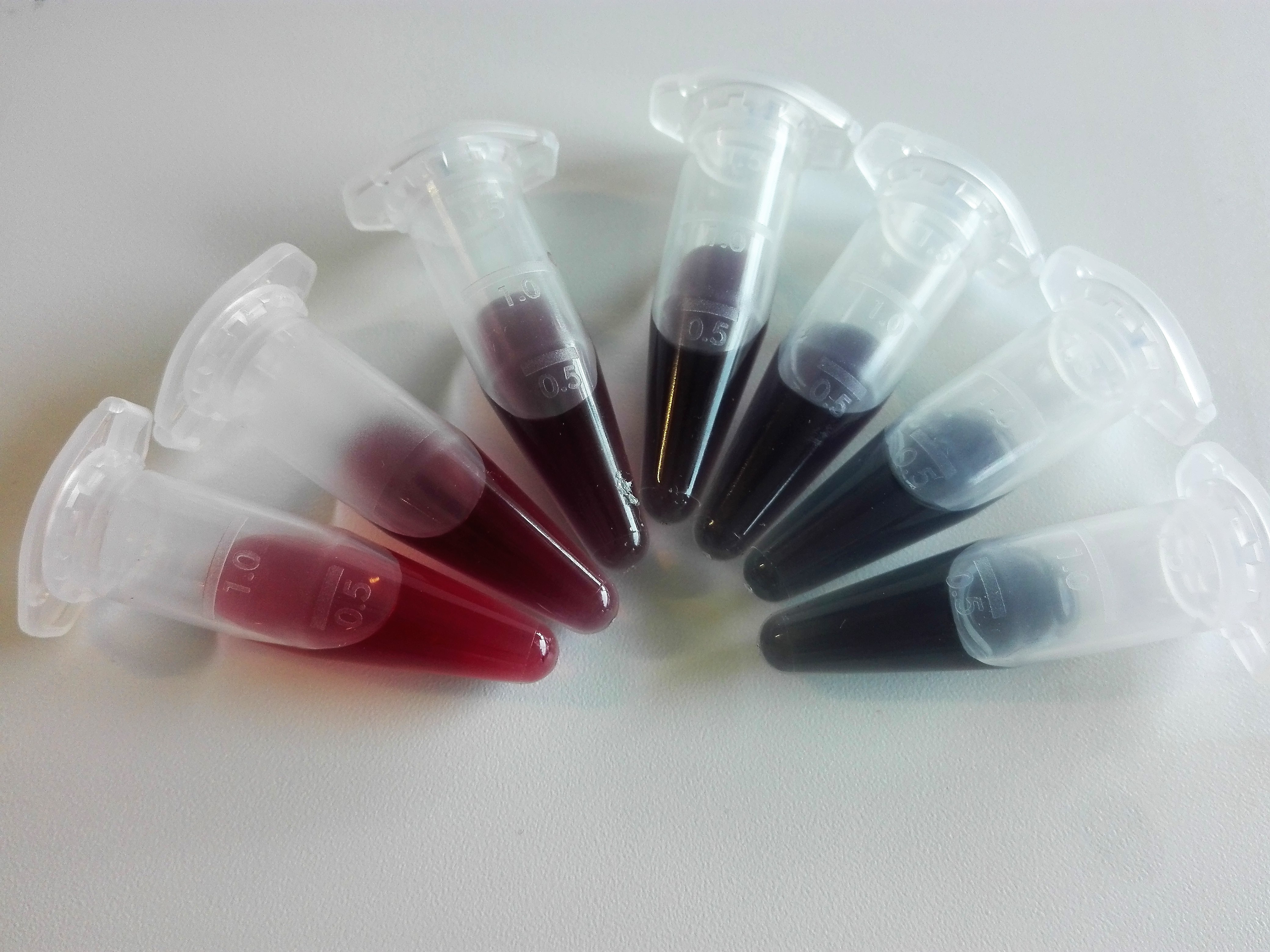
A colorful method to detect C-reactive protein
This photograph shows the colorful results produced by the colorimetric method for the detection of C-reactive protein (CRP), an inflammatory biomarker, used to evaluate cardiovascular risk.The method presents a simple and fast colorimetric method for CRP detection that employs citrate–capped gold nanoparticles (AuNPs) and a CRP binding aptamer as sensing elements. The aptamer, a single-stranded DNA (ssDNA), adsorbs onto the surface of the AuNPs. In the presence of the CRP, the ssDNA releases from the AuNPs surface to interact preferentially with the protein to form guanine-quadruplexes. The exposure of the unprotected AuNPs to buffer salts leads to aggregation and subsequent color change from red-wine to blue-purple, seen by the naked eye. The AuNPs aggregation was monitored using UV–Vis spectroscopy and the CRP concentration in the samples could be correlated with the aggregation ratio (A670nm/A520nm). A linear sensing range of 0.889–20.7 μg/mL was found. The detection limit (LOD) was 1.2 μg/mL which is comparable to the typical clinical cutoff concentration in high-sensitivity CRP assays (1 μg/mL) and lower than the detection limit of nephelometric methods used in clinical practice. This method can provide a fast (5 min analysis time), simple, and sensitive way for CRP detection.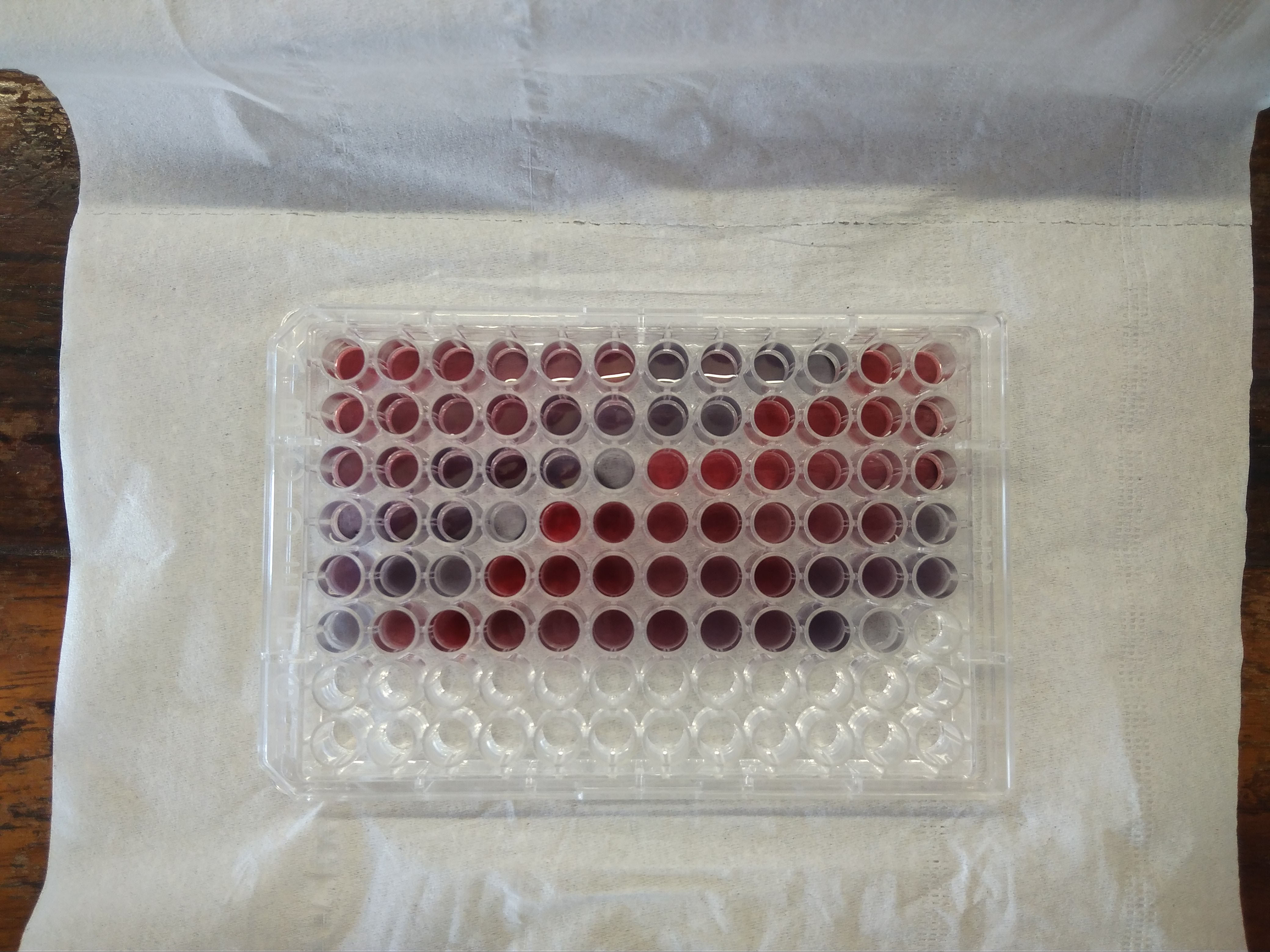
2 | Natércia Martins
A look into the lab
Two drops of contaminated water samples drying on top of a hydrophobic paper-based SERS substrate. After drying, the samples will be analyzed using the Raman technique to detect water pollutants.3 | Sara Santos
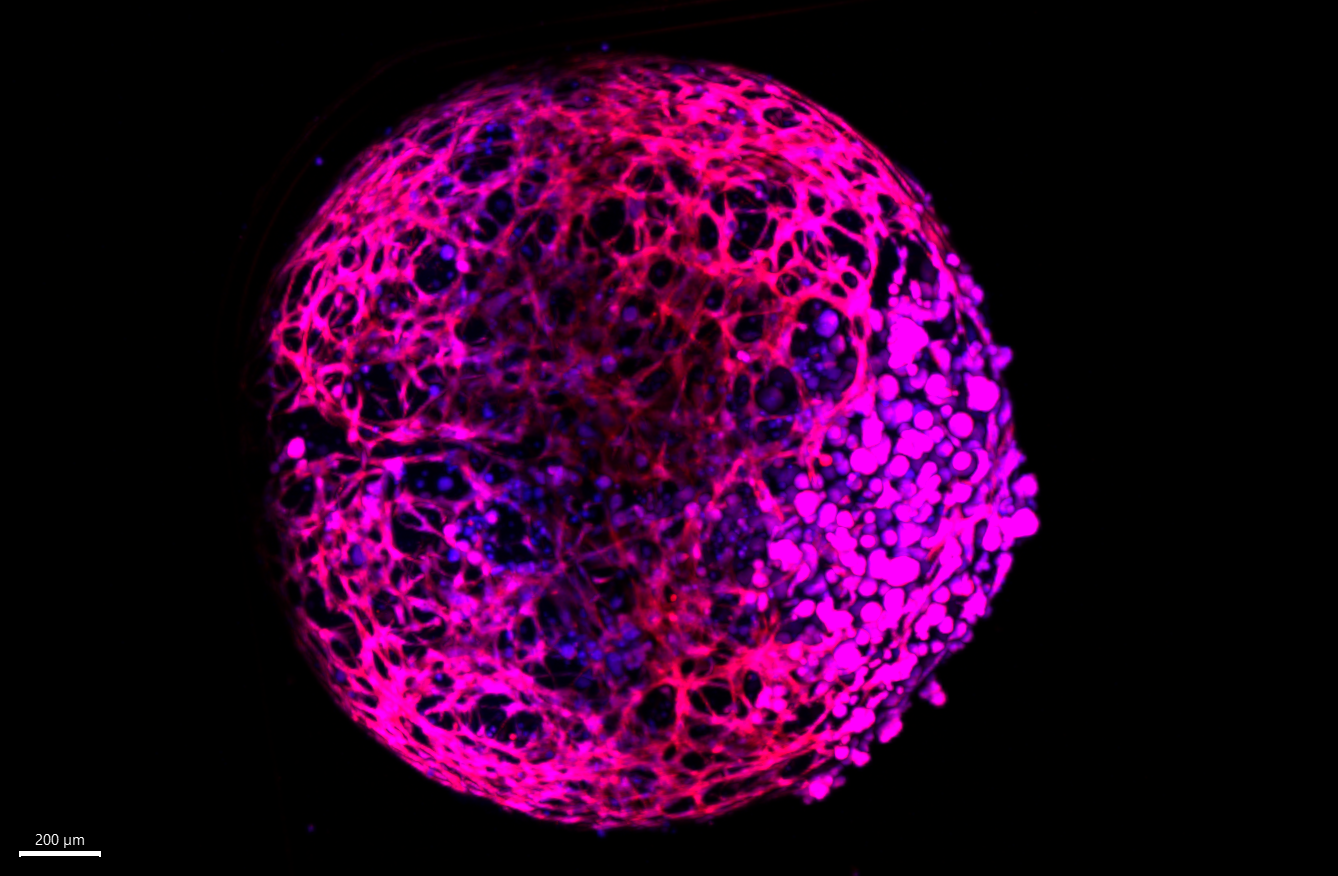
Agglomeration of living cells and microspheres
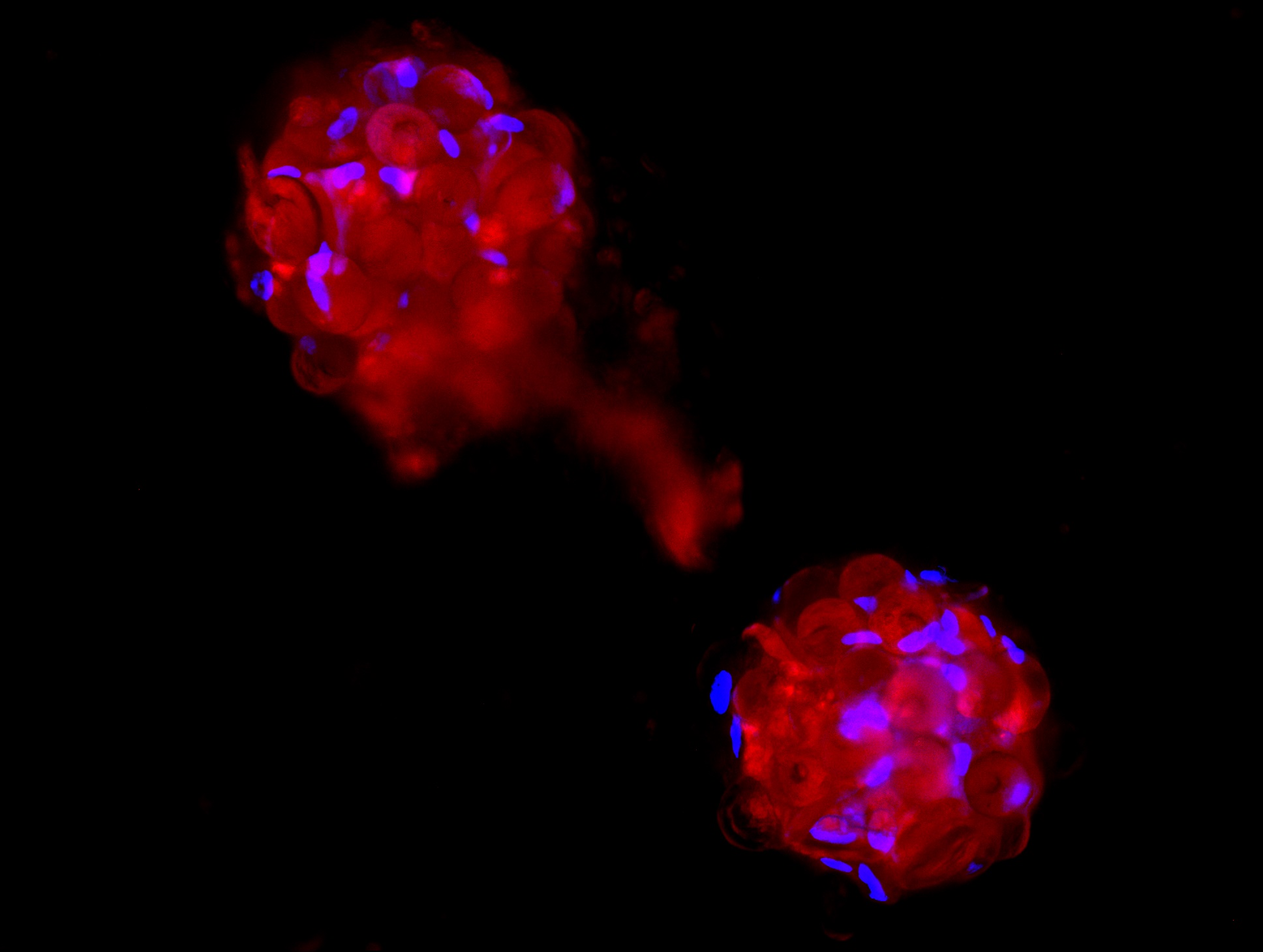
Aggregates of umbilical cord-derived cells and microspheres were generated inside liquefied invisible capsules to create bone microunits. Cells nuclei are stained in blue, and the late osteogenic marker osteopontin is in red. 4 | Marta Ferreira
Almost perfect
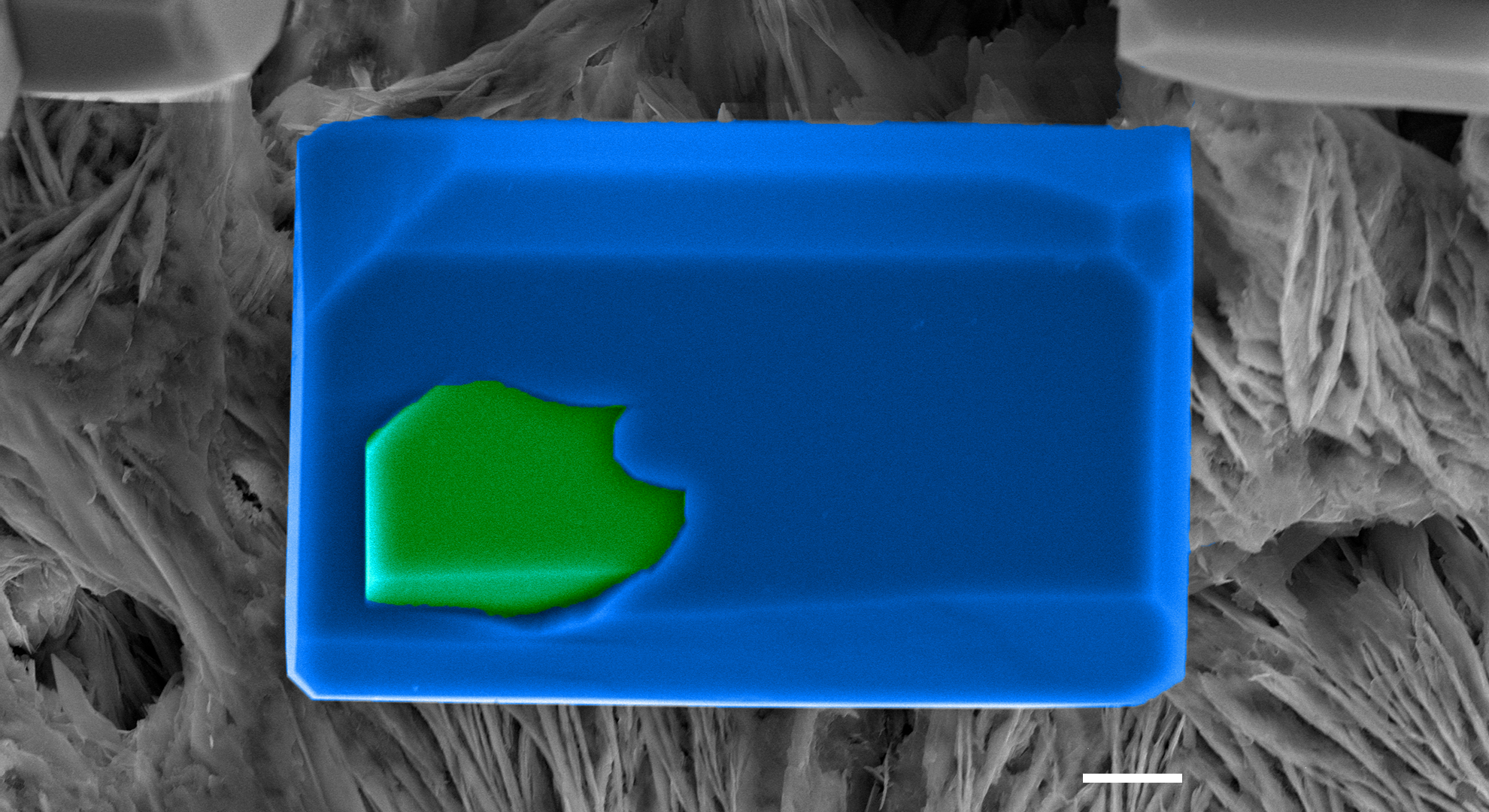
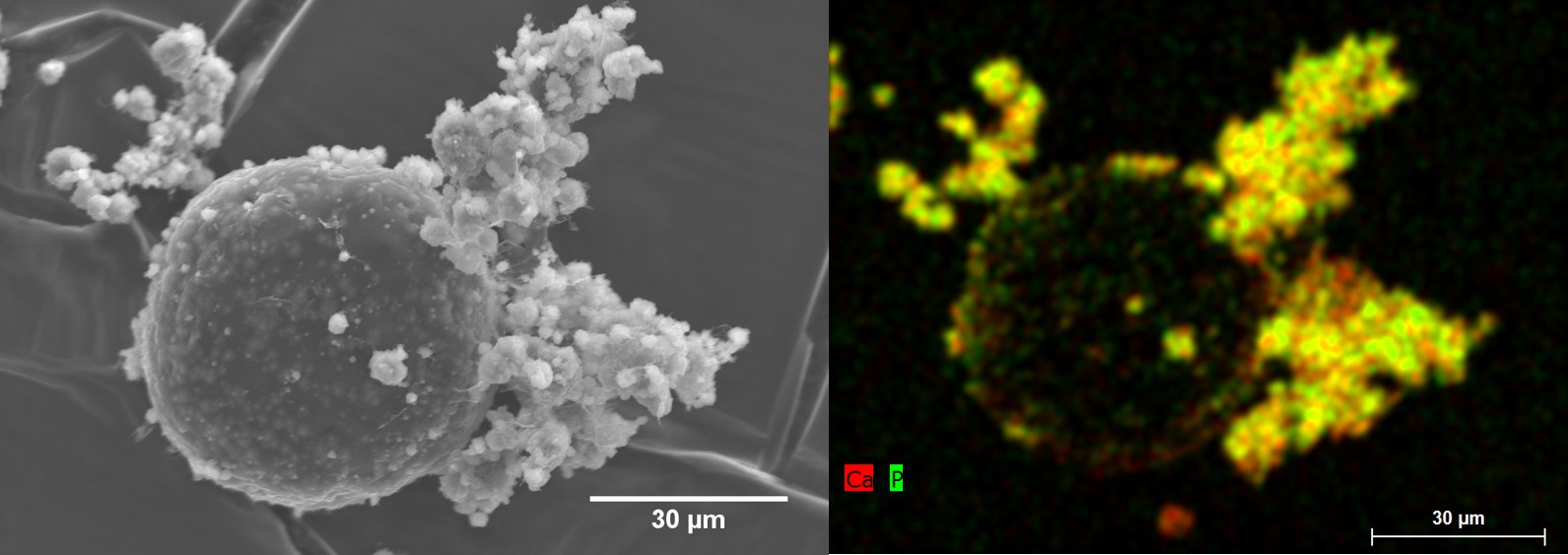
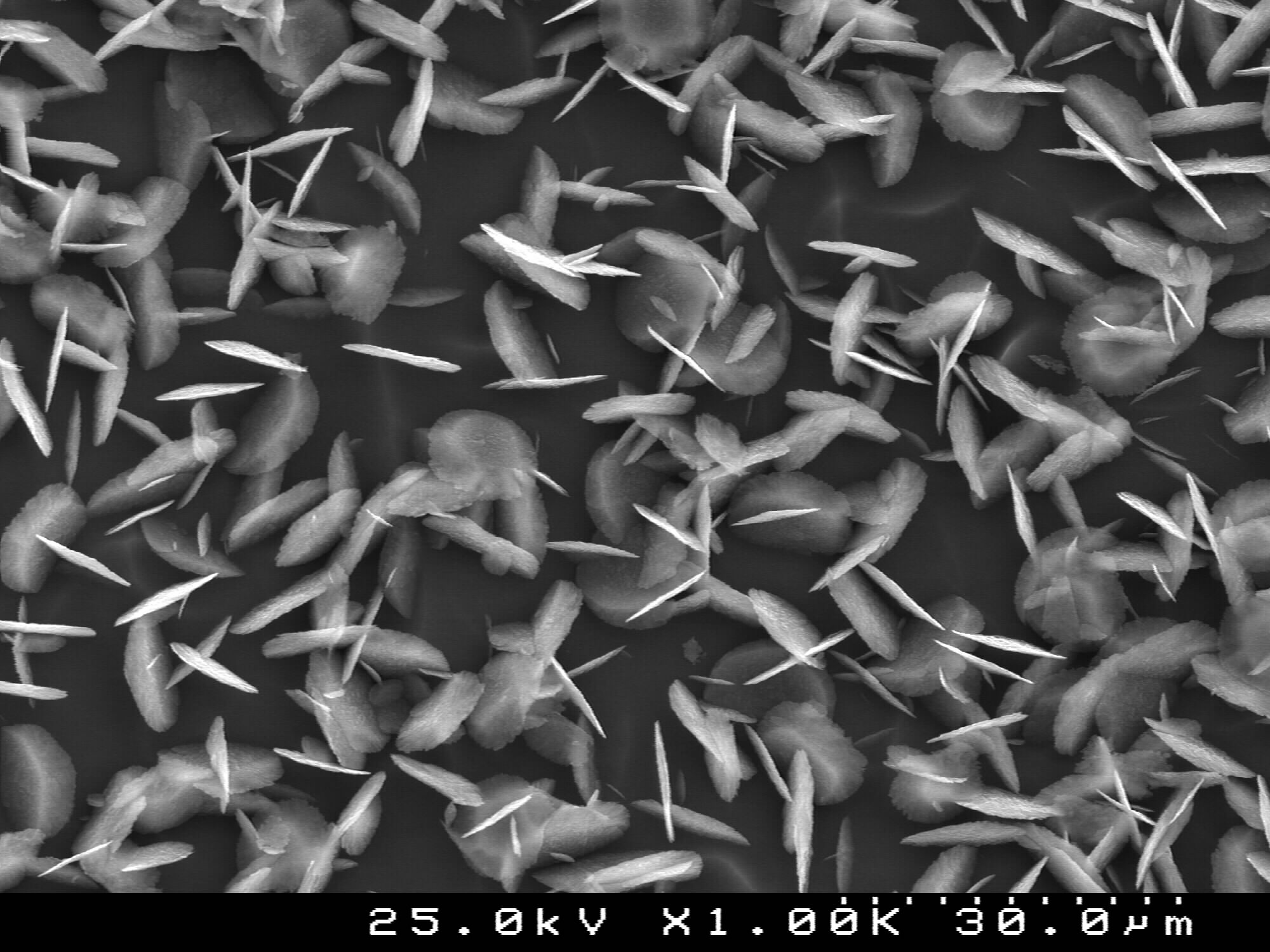
Calcium phosphate particle obtained by hydrothermal synthesis. Scale bar: 4 µm5 | Helena Nogueira
Amazing green
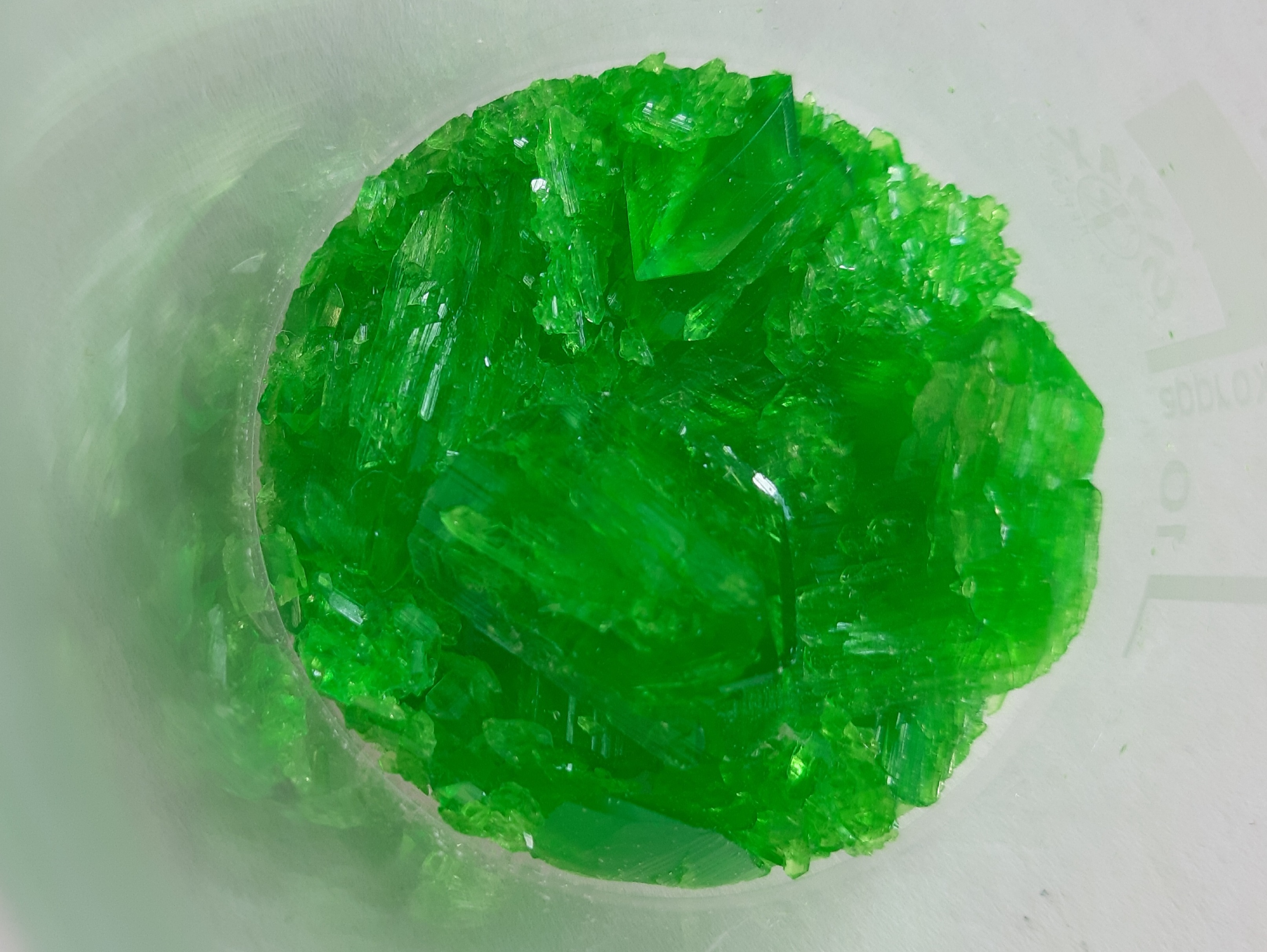
Freshly prepared crystals of potassium trisoxalateferrate(III) trihydrate K3[Fe(C2O4)3]·3H2O, a paramagnetic material.6 | Rui Novais
Bauxite residue derived mm-size spheres with designed porosity for toxic waters treatment
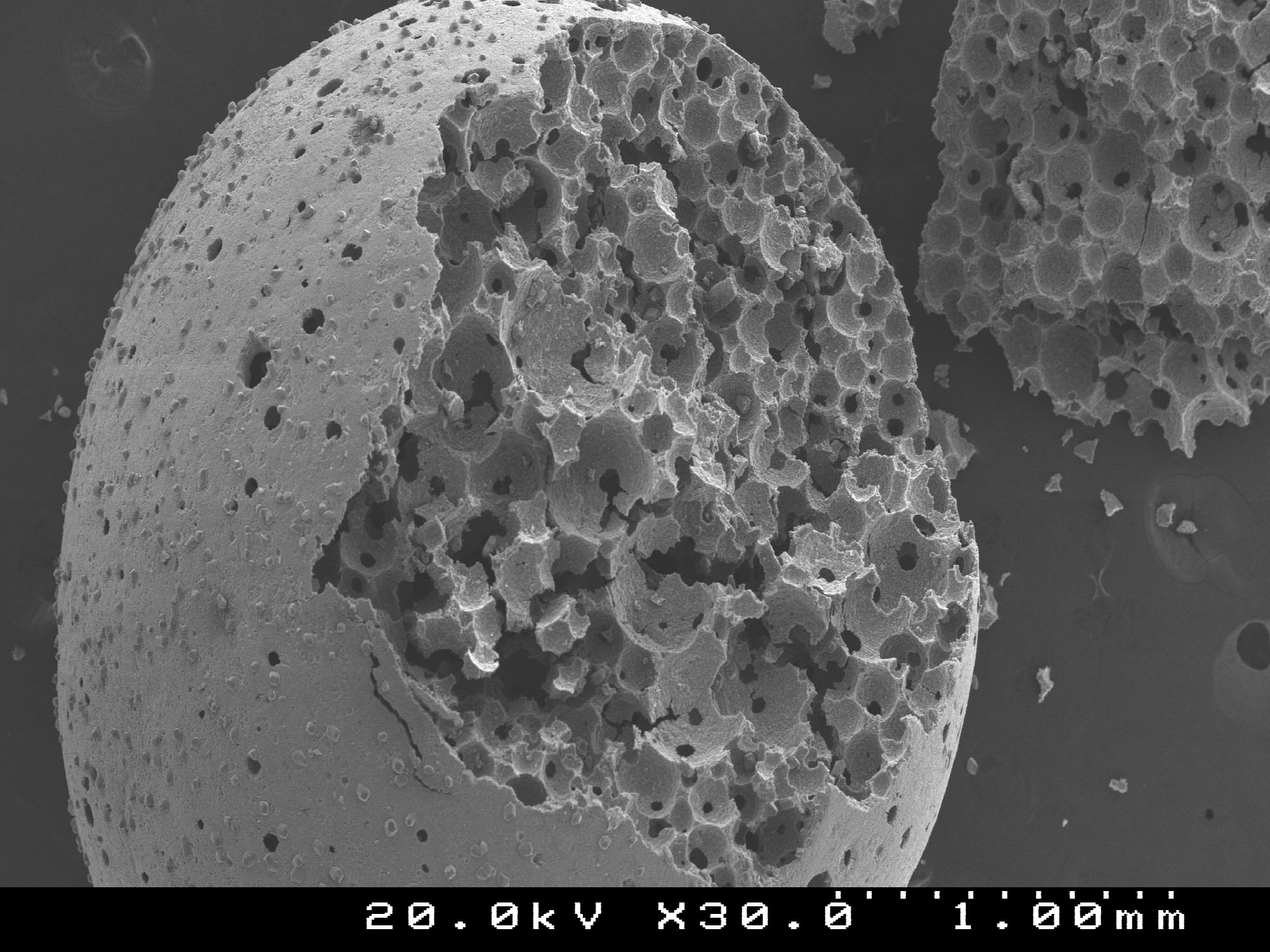
Bauxite residue, whose worldwide stockpile is estimated to reach four thousand million tonnes, was used as raw material to produce spherical alkali-activated materials with multiscale porosity. This highly porous and mm size material is envisioned for heavy metal adsorption.7 | Sofia Zanella
Beyond the eyesight
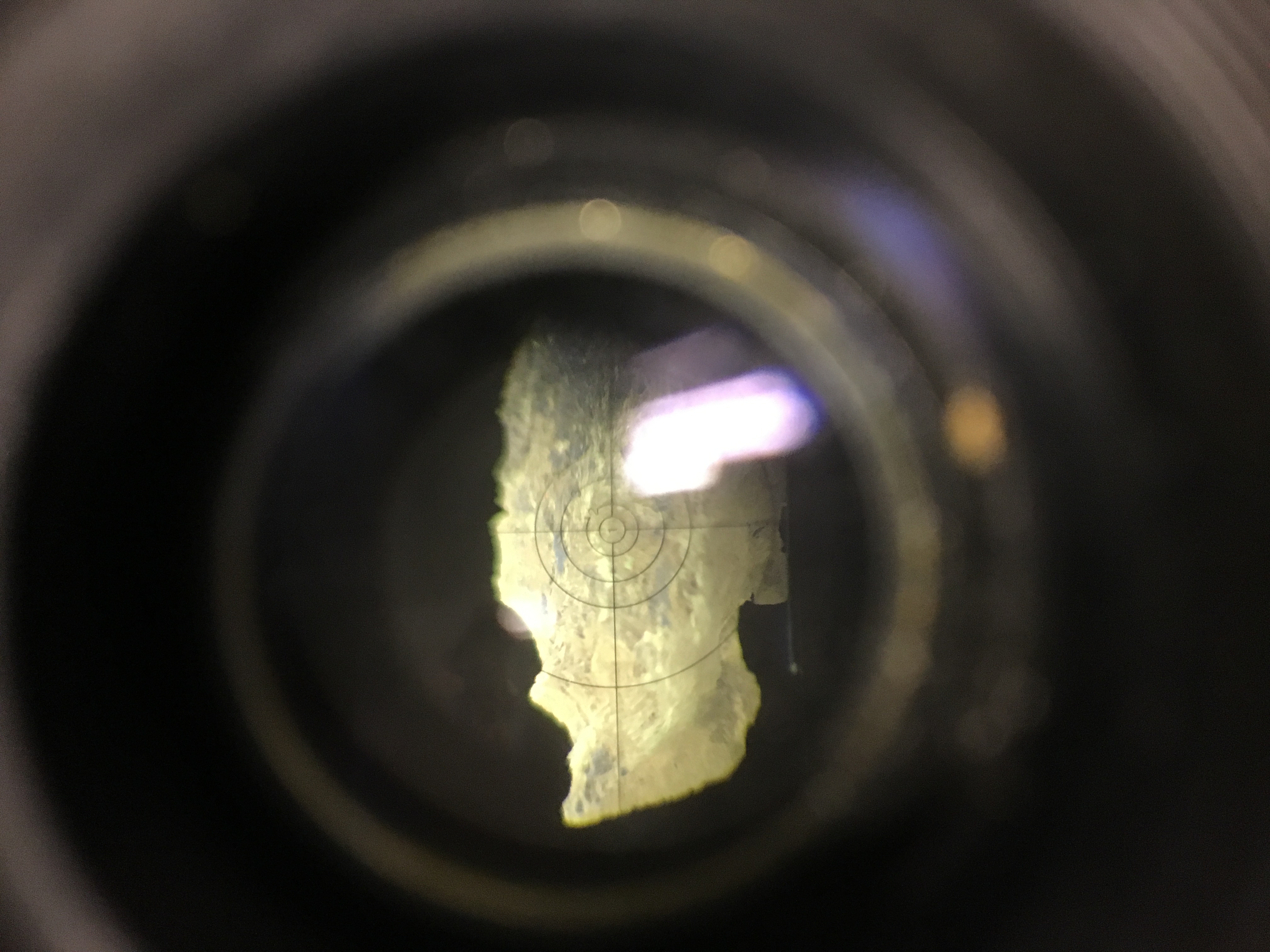
Sometimes we just need to move the focus to the right position to appreciate the real shape of the things.8 | Rui Novais
Biomimetic cork-derived ecoceramic
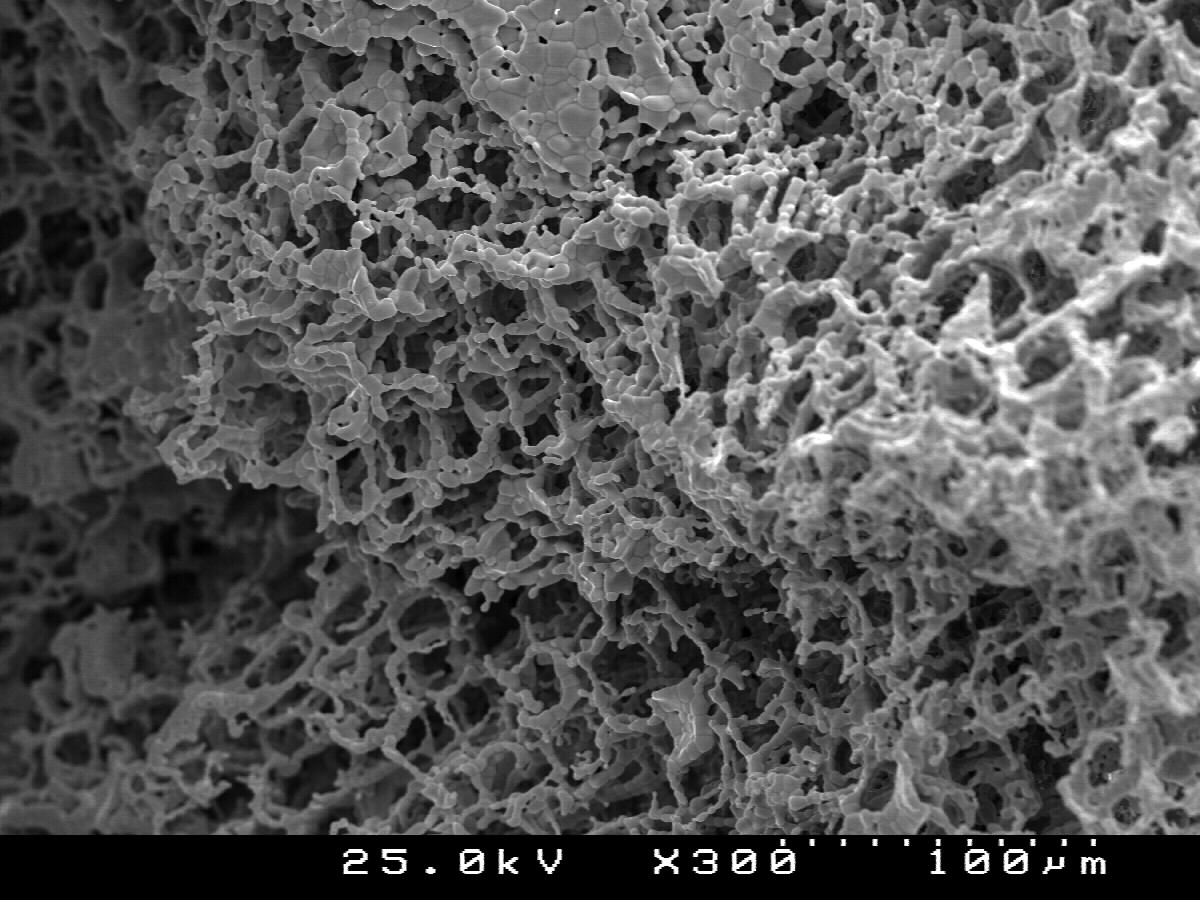
Novel ceria ecoceramics envisioned for water splitting applications were produced using sustainable cork as a template. The ecoceramics having tailored 3 DOM (three-dimensionally ordered microporous) structure can might play a key role in solar thermochemical fuel production.9 | Sónia Ventura
Bridges
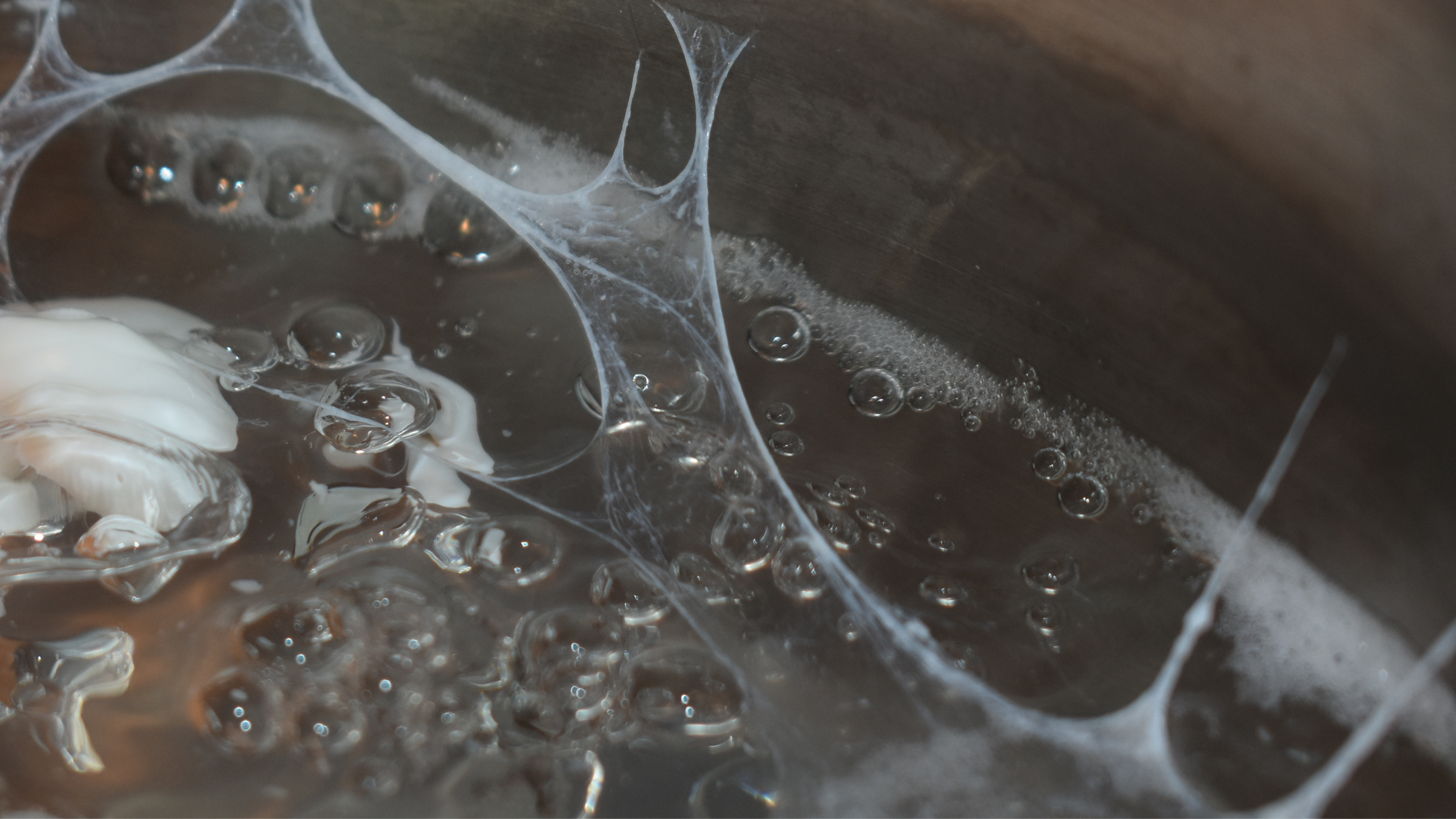
Boiling process of an egg.10 | Fernando Maturi
Bright ideas
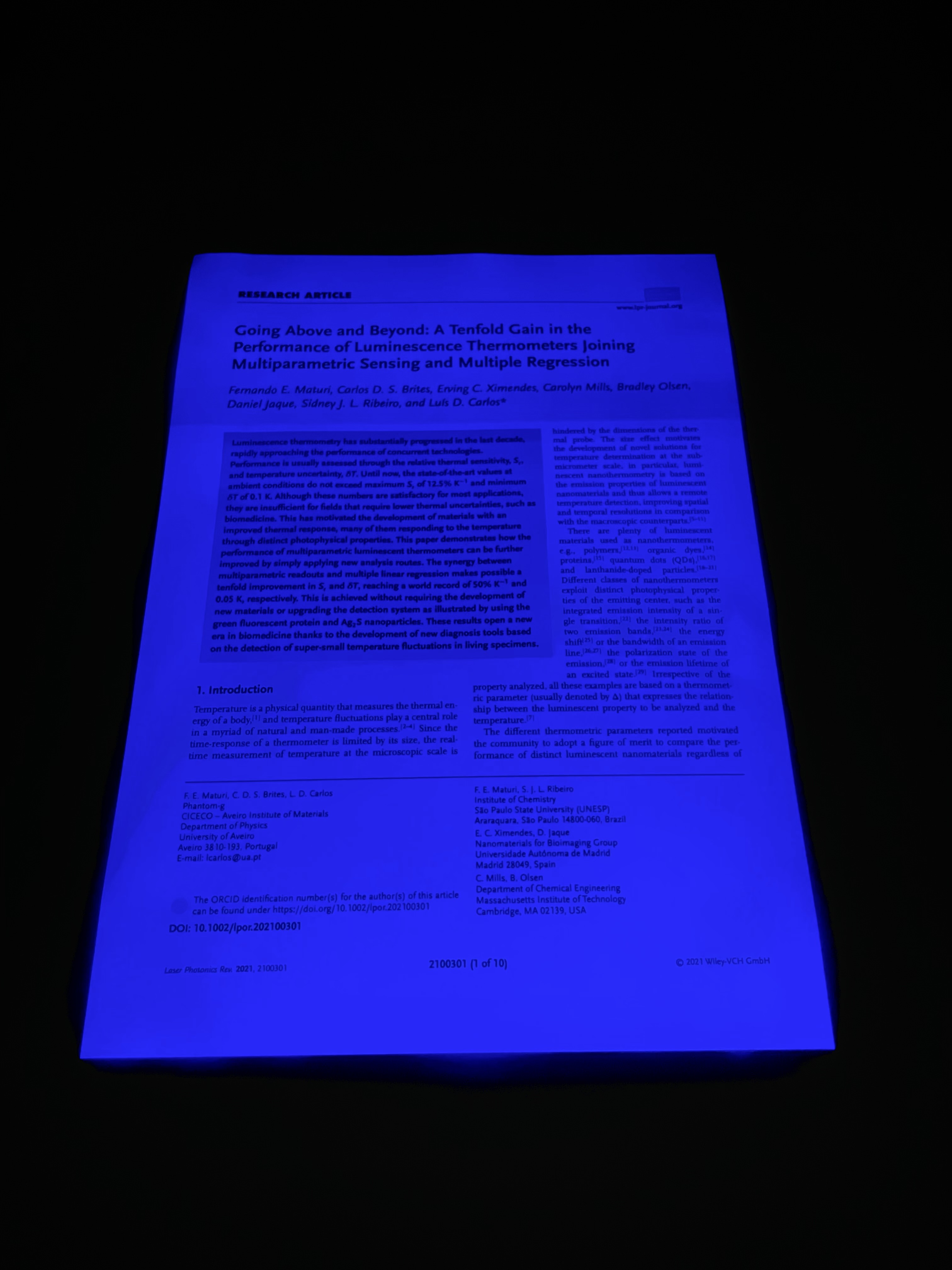
We are literally doing bright research at CICECO, where both our materials and published papers glow under proper conditions :)11 | Fabio Silva
Can you paint with all the colours of cellulose?
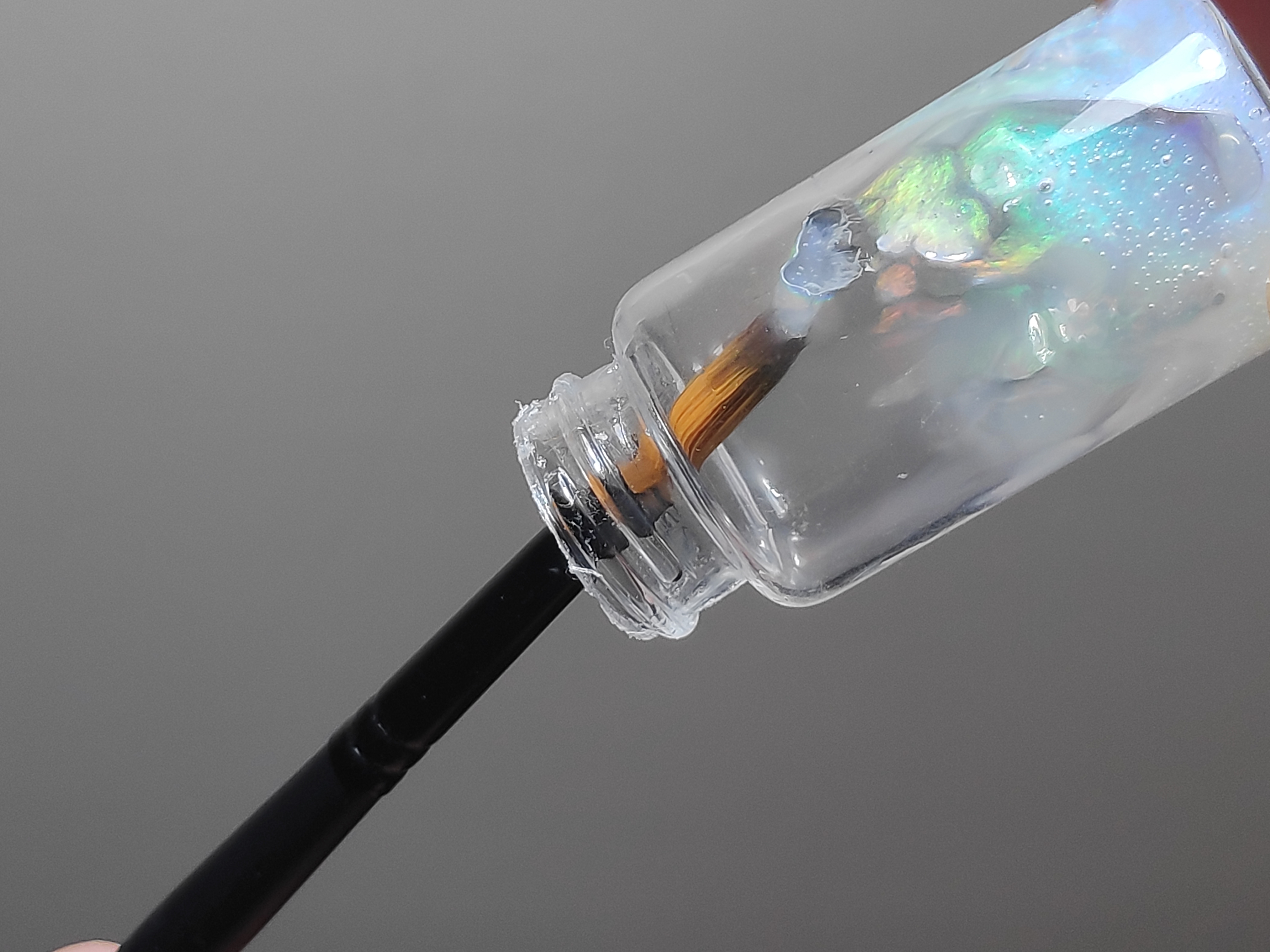
Cholesteric mixture of a cellulose derivate (hydroxypropyl cellulose) with water, capable of selectively reflect light at different light wavelengths, depending on its concentration or temperature.12 | Raquel Gonçalves
Cell fountains: the power of aqueous environments
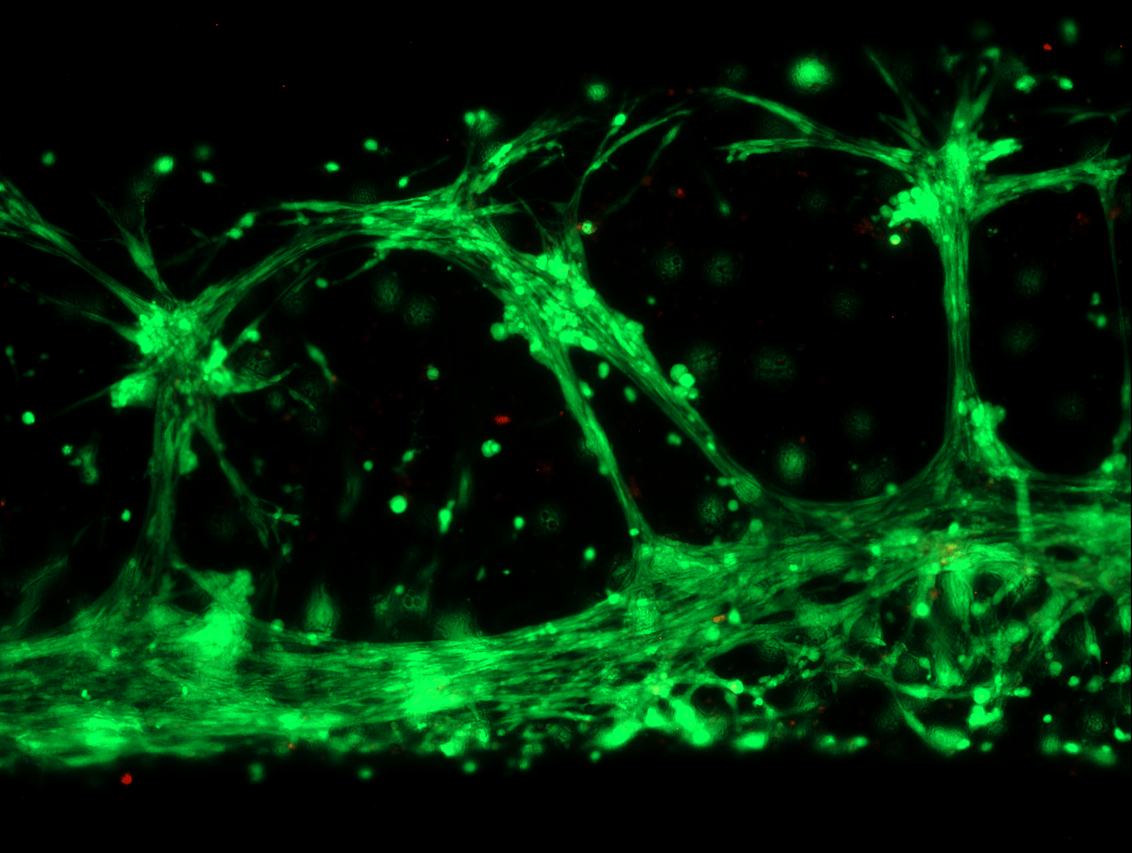
Live (green) and dead (red) cells encapsulated within a fiber-shape biomaterial after 14 days of culture. Human umbilical vein endothelial cells and human adipose-derived stem cells adhere and spread in the fiber produced by the interfacial complexation of oppositely charged polyelectrolytes in an aqueous two-phase system (also containing cell adhesive moieties).13 | Diana Jesus
Cell Galaxy
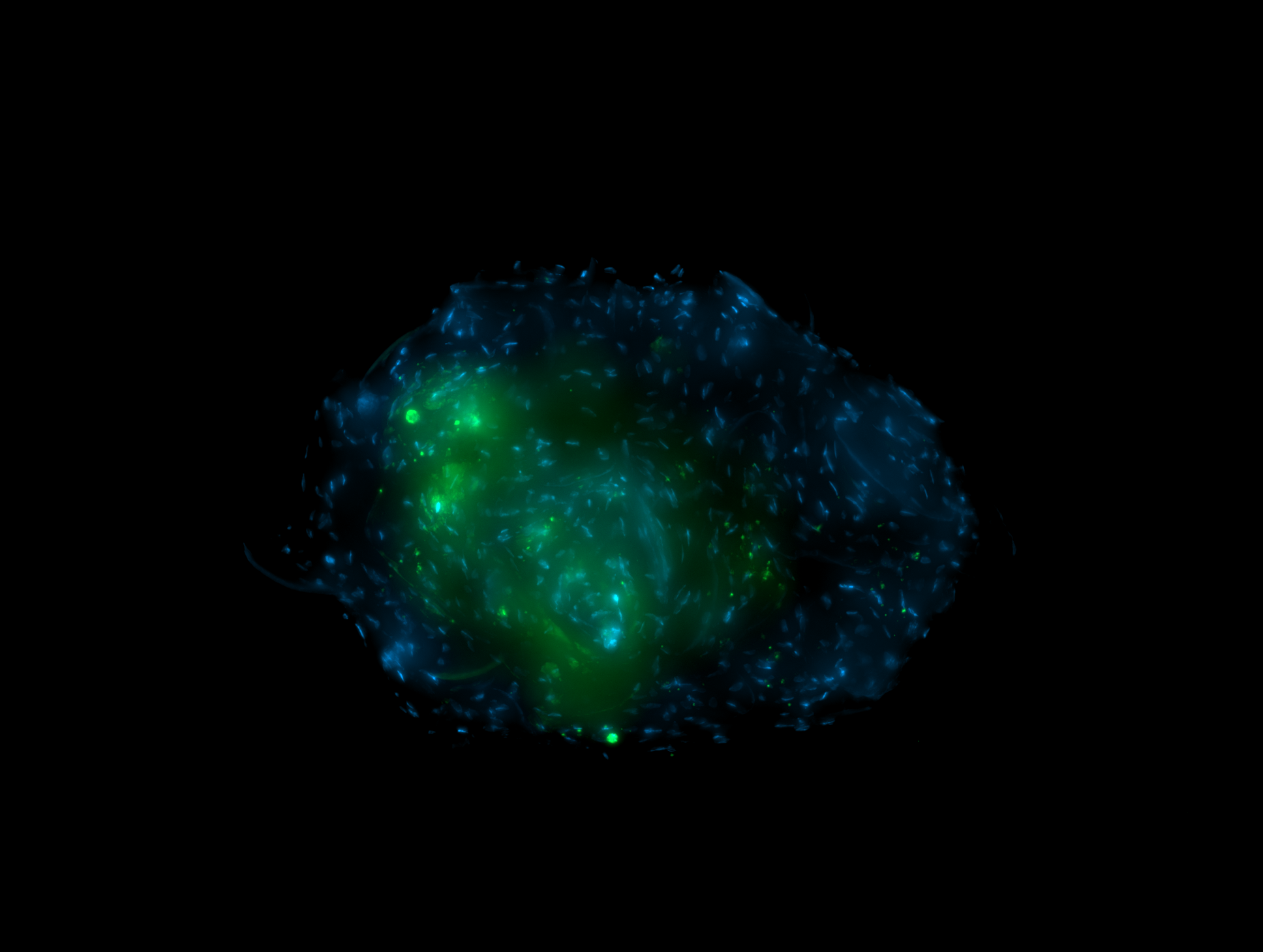
Fluorescence image of spheroids composed of cells (hASCs) and polycaprolactone flat disc-shaped microparticles with poly(ethyl acrylate)/fibronectin/BMP-2 coatings. Cells nucleus are stained blue whereas green staining indicates presence of hydroxyapatite, a major bone component, which might suggest differentiation of these cells in the osteogenic lineage. 14 | Ricardo Silva
CNTs in a frame
This piece of art is comprised of three dimensional asymmetric of vertically aligned carbon nanotubes (CNTs). 15 | Cristiana Fernandes
CNTs in Flame
Flame like carbon nanotubes resultant of capillary driven process.16 | Sara Santos
Connecting cells and particles in a microscopic world.
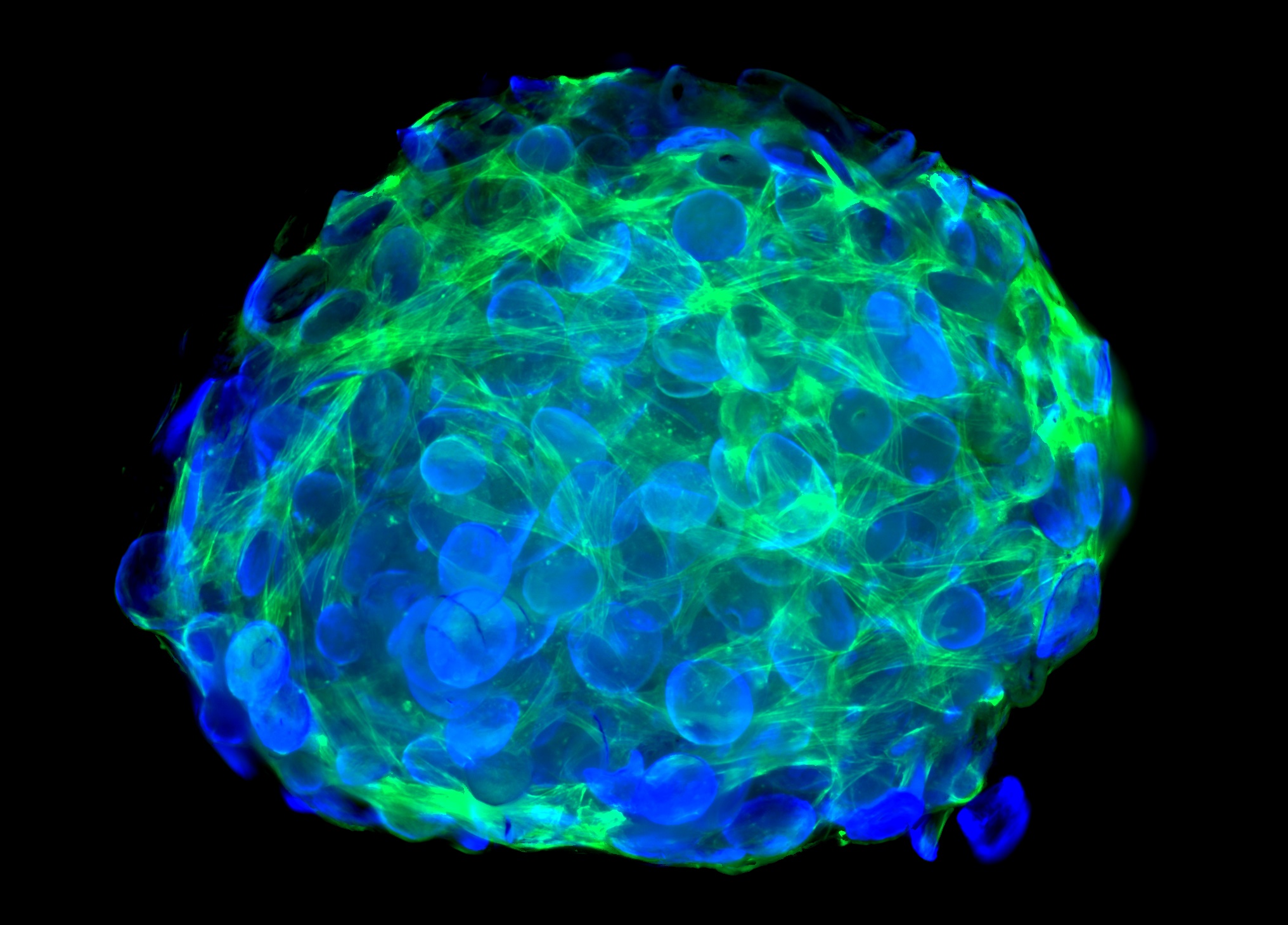
Generation of an aggregate of mesenchymal stem cells and microparticles under a dynamic environment. The actin filaments of cells, stained in green by phalloidin, connect all blue microparticles in a single aggregate. 17 | Ana Gomes
Crystals are forever
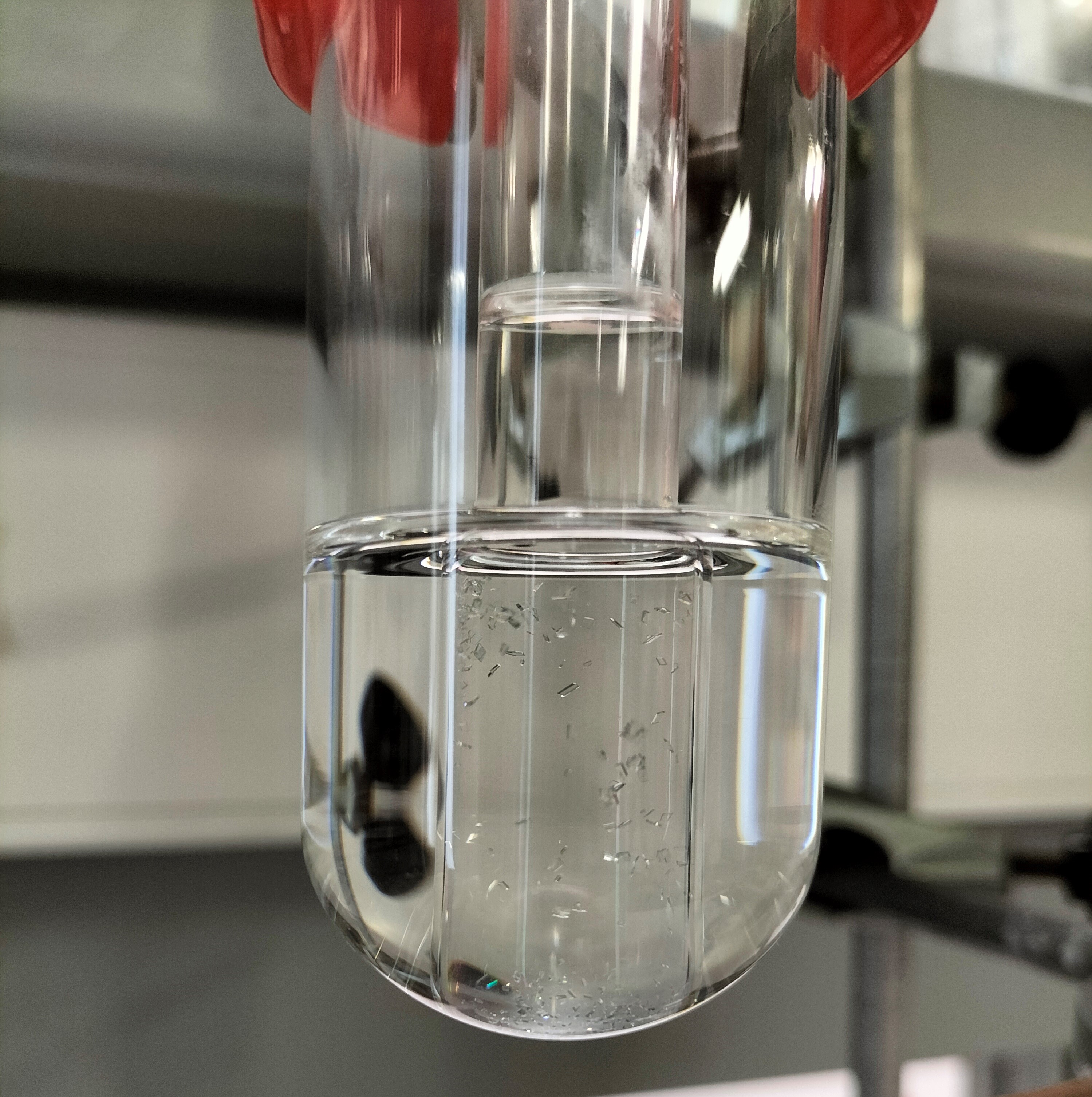
The photo illustrates the purification of a compound affording clear crystals.18 | Sónia Patrício
Daisy-like hidroxiapatite
Hidroxiapatite-like minerals developed by cells adhered onto a PCL microparticle surface from engineered microcapsules to be applied as modular units for bone regeneration19 | Bruno Valente
Dog bones
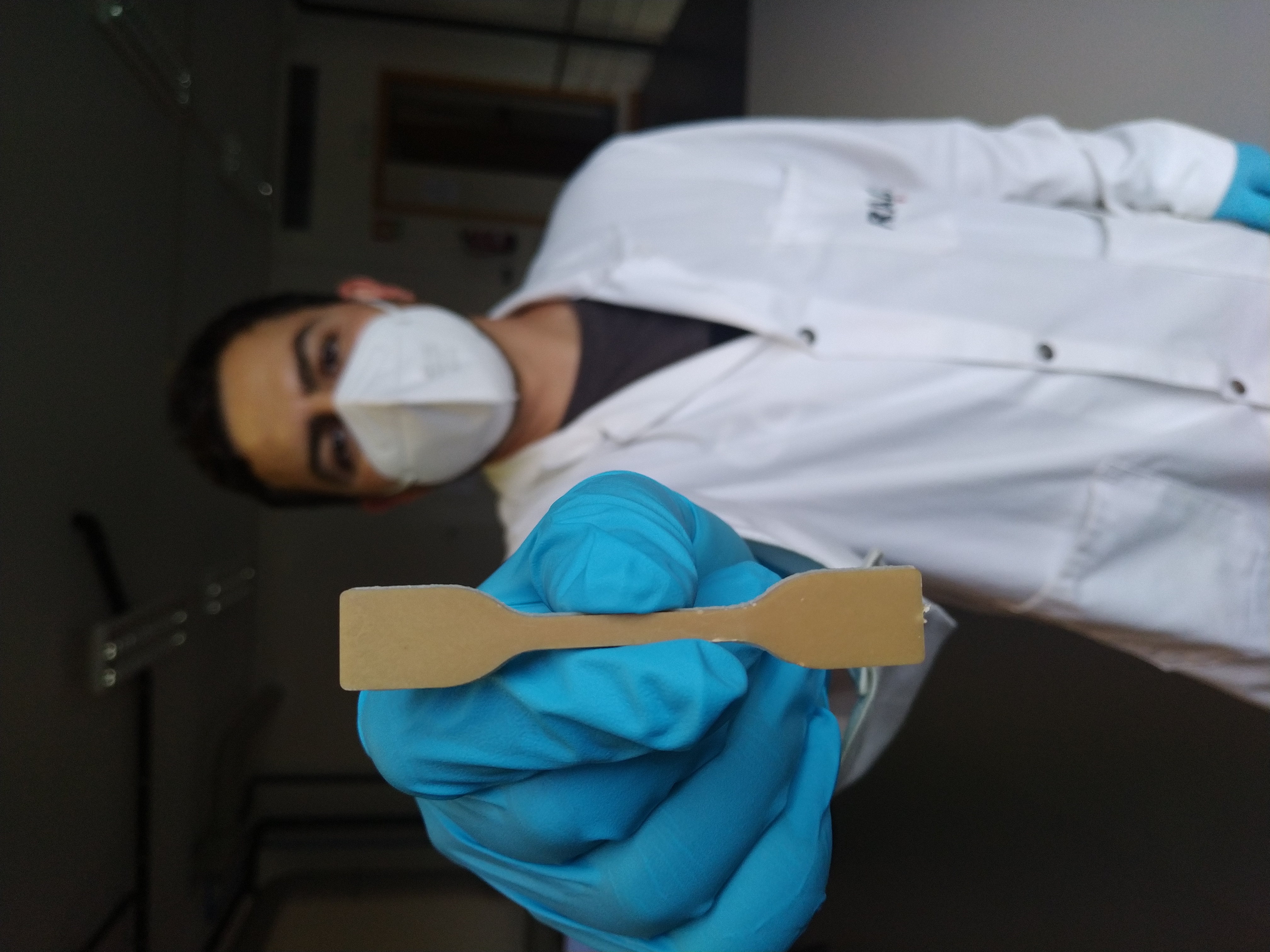
Materials performance if of outmost importance for any application. In particular, for composite materials, good mechanical properties are crucial for most intended end-uses. In CICECO, we use test specimens shaped like a “dog bone” to evaluate the tensile properties of our green composites made entirely from renewable resources.20 | Indrani Coondoo
Don´t lose heart ....... don´t lose hope !!
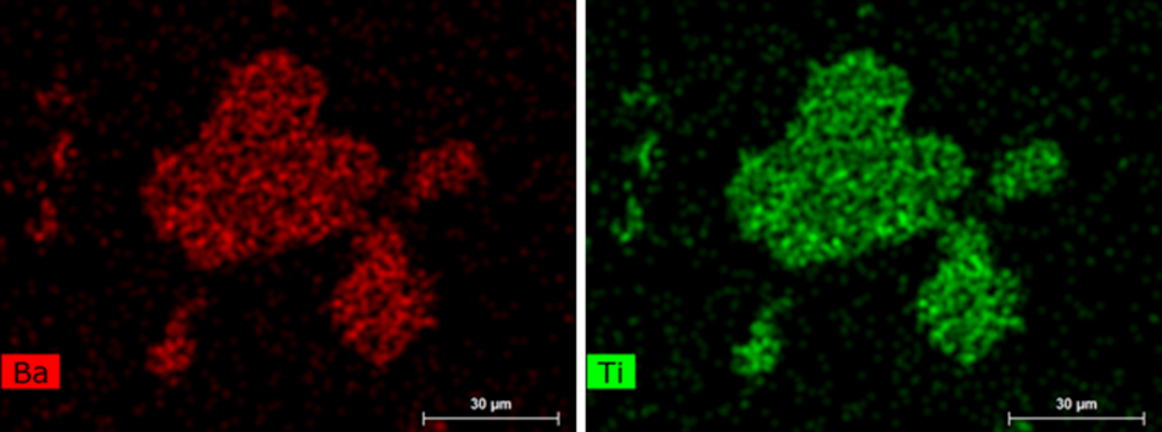
This image was obtained using EDX and represents the elemental mapping (Barium and Titanium) in the (Ba,Ca)(Zr,Ti)O3 grain. BCZT is the piezoelectric phase in the multiferroic composite.The "heart-shape" of the grain was quite striking and interesting. The "red" to "green heart", is in a way expressing to move on with life and not lose heart...or hope !! 21 | Inês Vilarinho
Eggshell neuronal structure
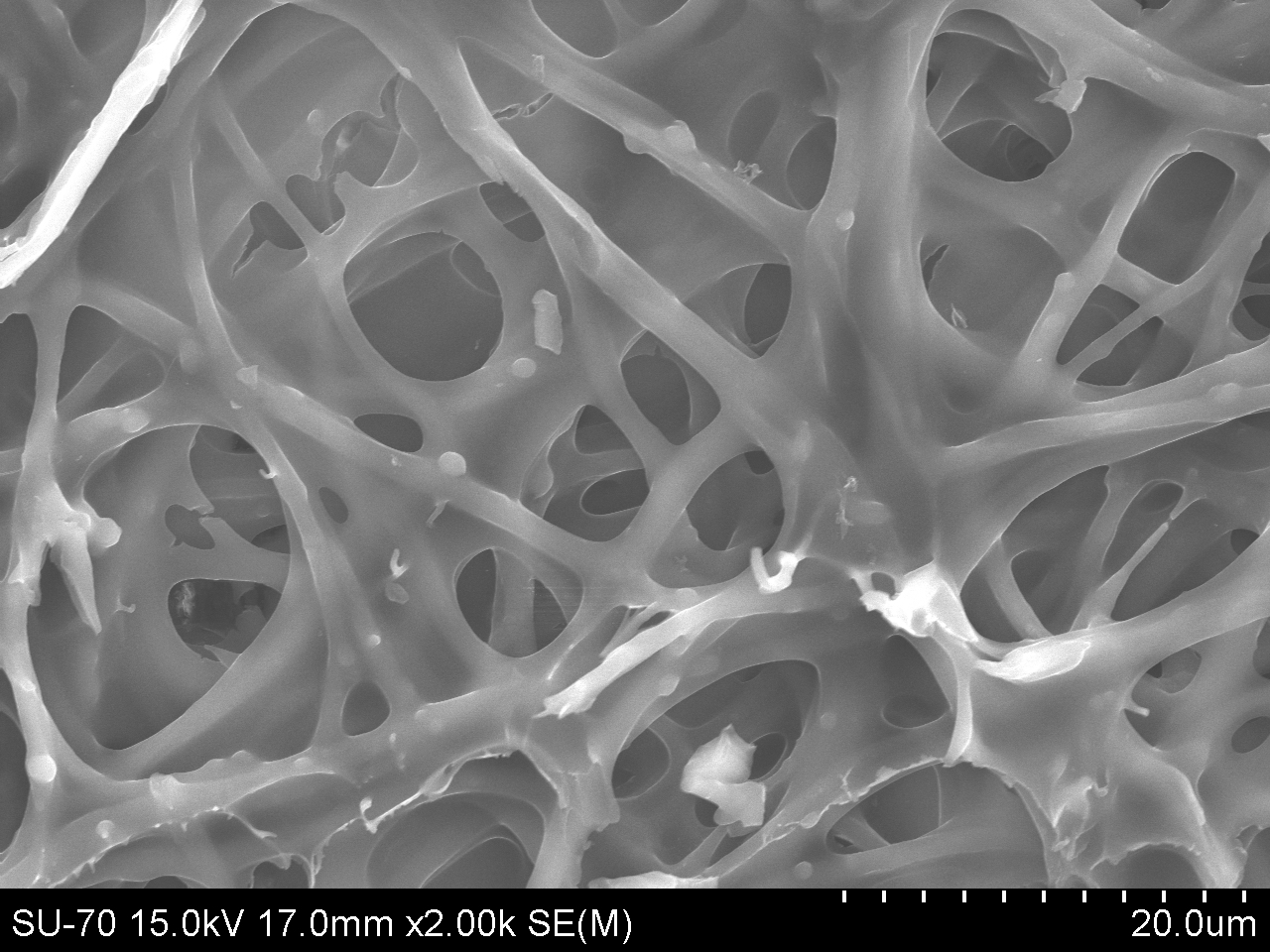
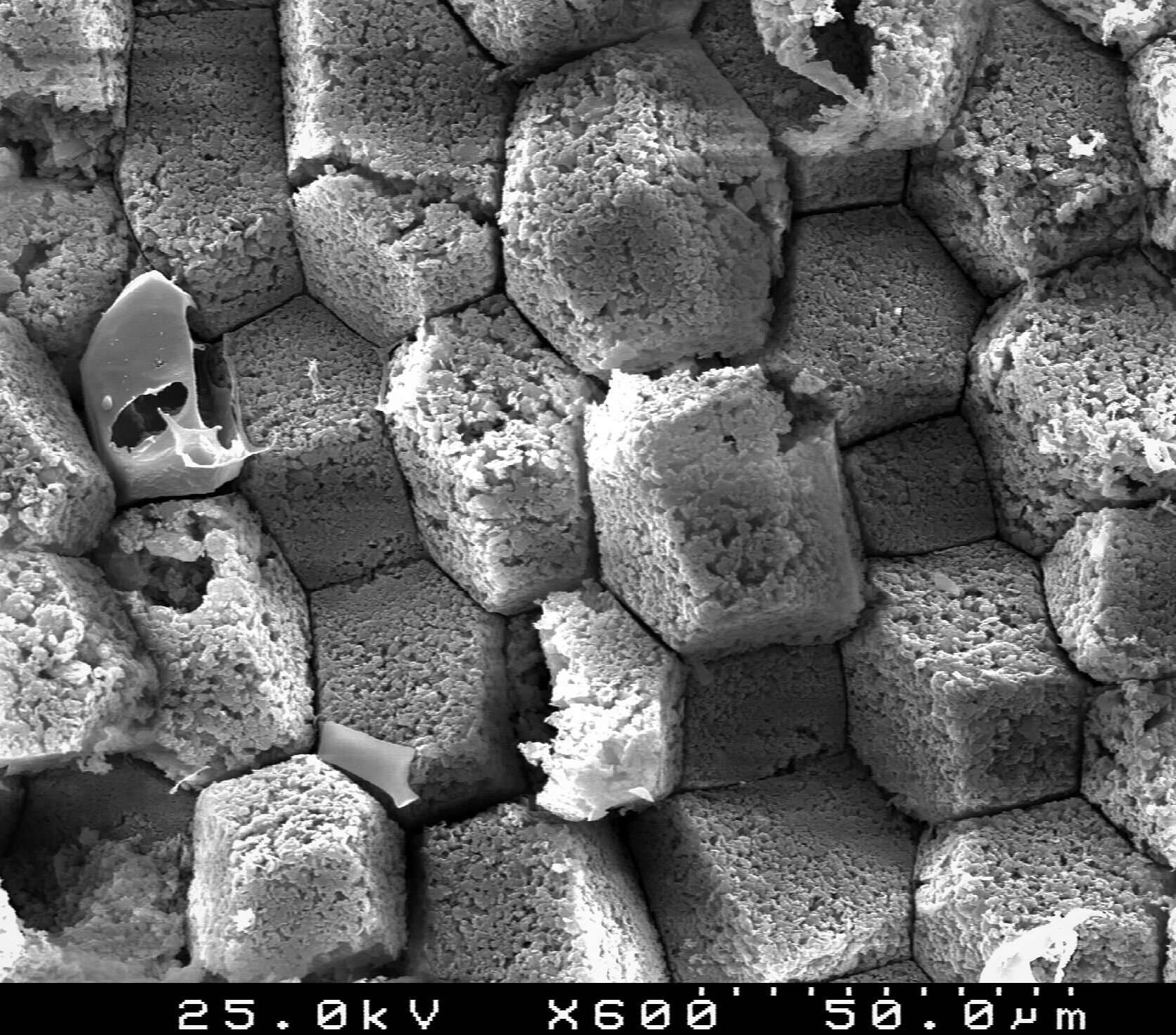
Inner structure of the eggshell.22 | Marinelia Capela
Floating
SEM micrograph of crystalline precipitates in a based calcium-phosphate bioactive glass ceramic.23 | Marguerita Rosa
Food waste can also be beautiful
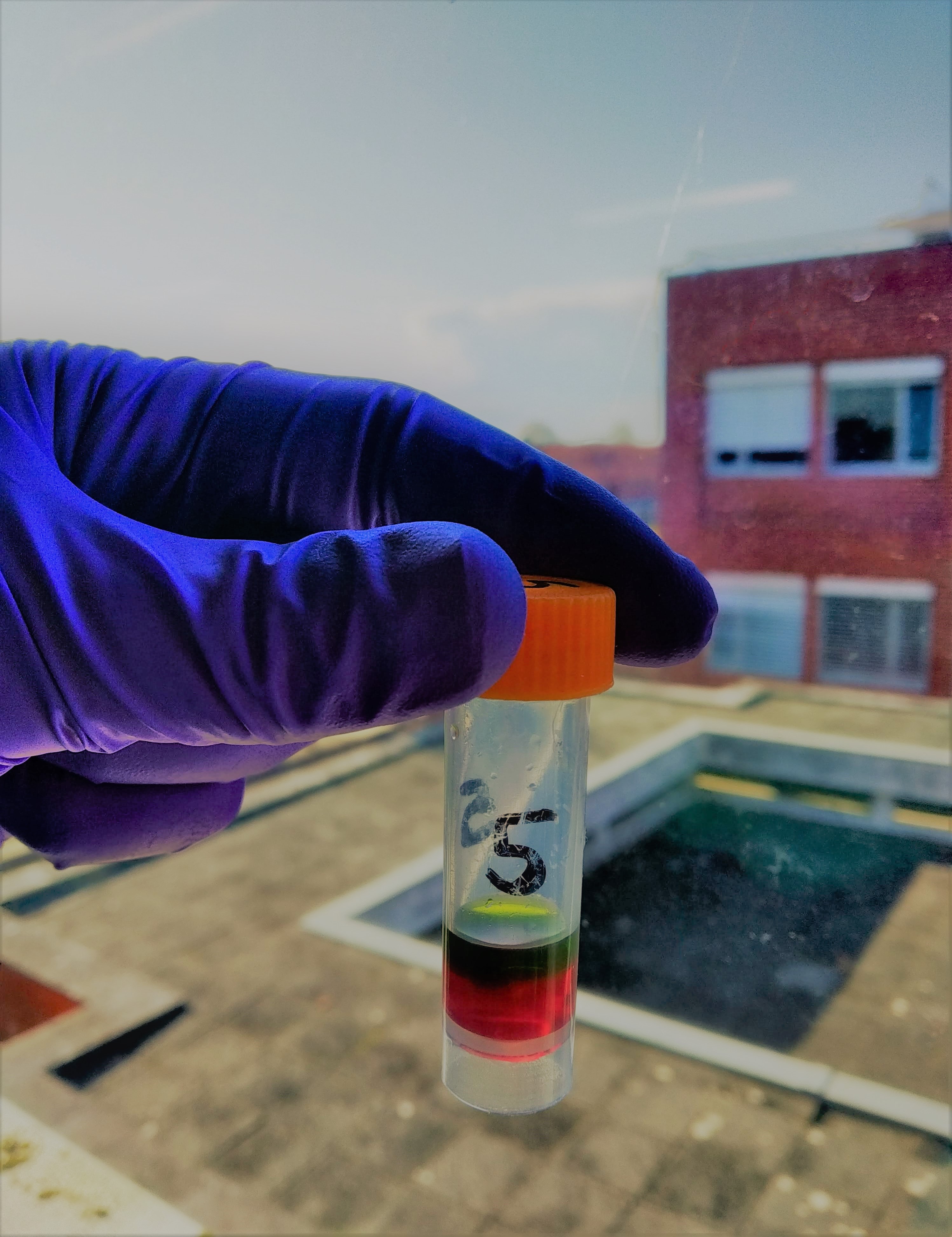
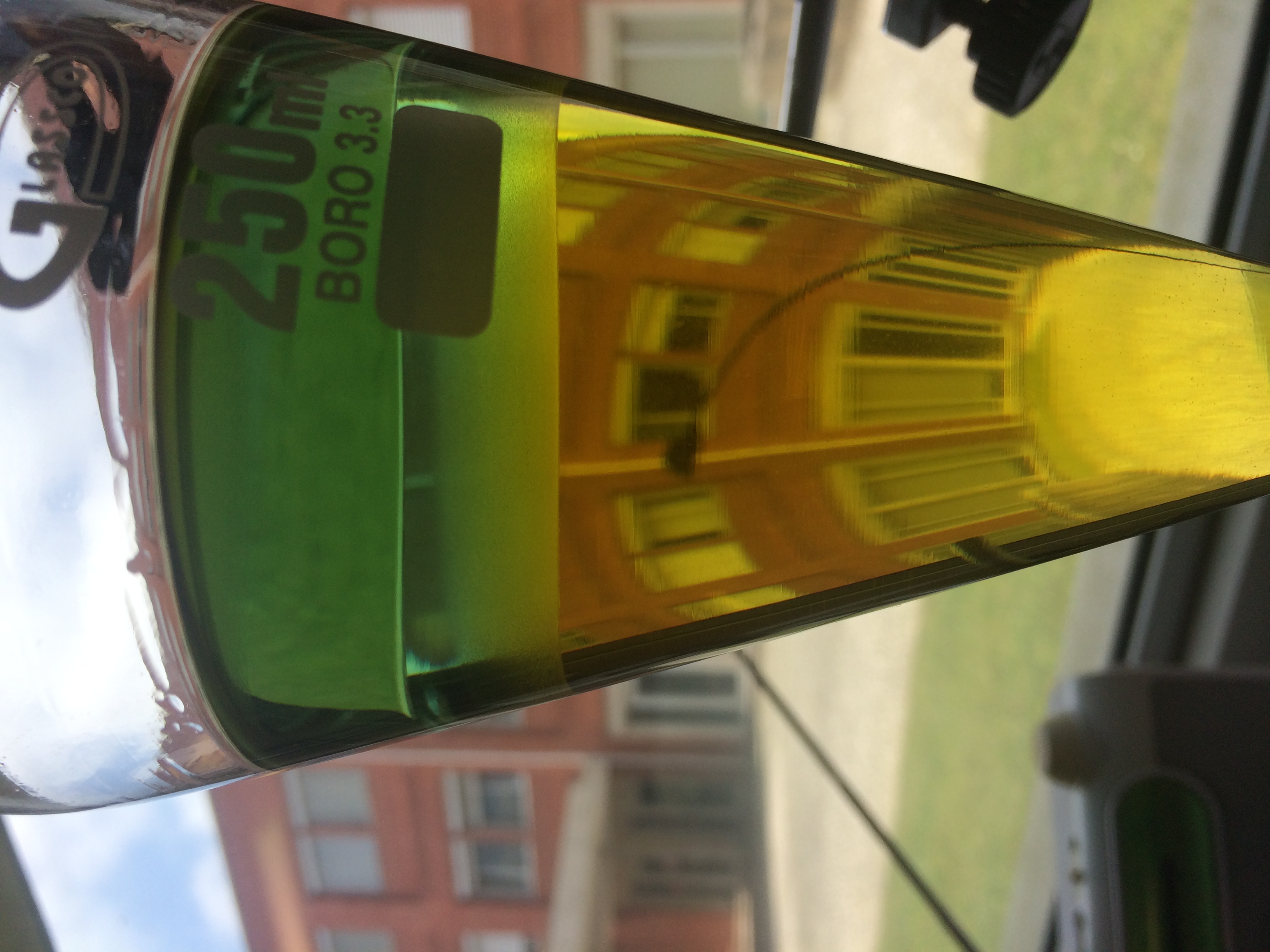
This flask is the result of an aqueous biphasic system that was used to extract pigments from red beets' leaves biomass. Thus, food waste can also be pretty and colourful. Don't give up on waste they have a lot to show us!24 | Cariny Polesca
From feather to feather we create our own wings
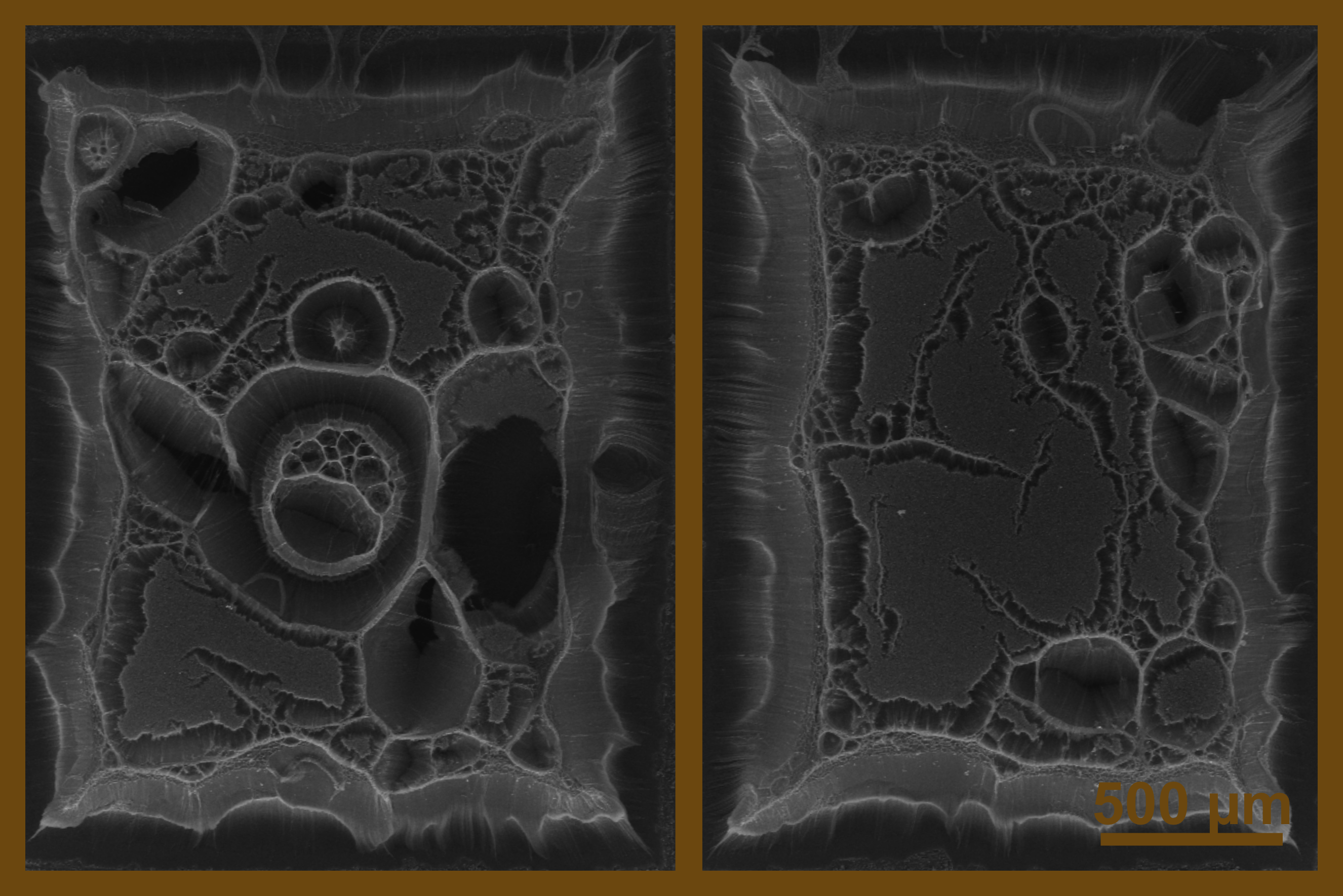
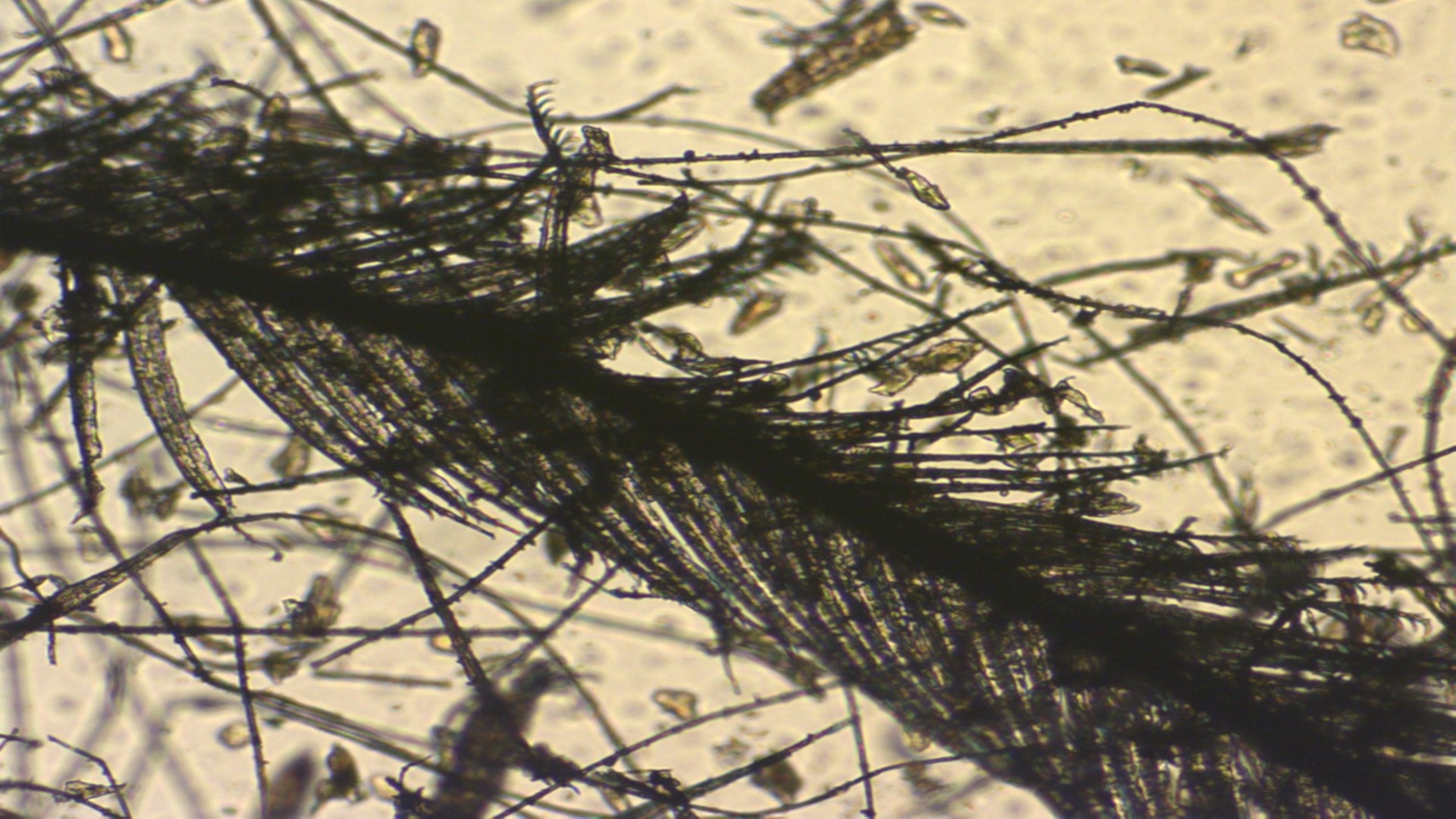
The microscope makes it possible for our eyes to have the power to visualize the structure of chicken feathers even after grinding. 25 | Mehrzad Zargarzadeh
Galaxy Full of Cells
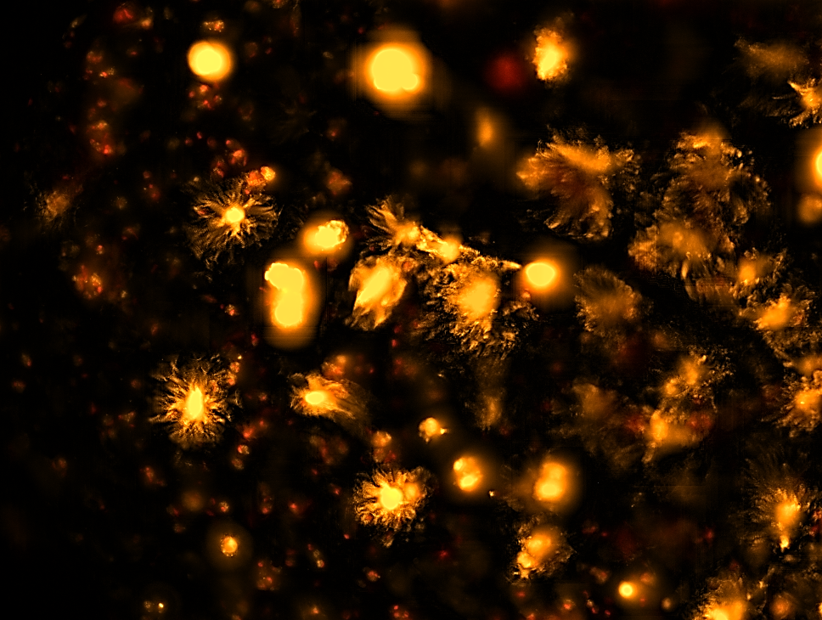
Hybrid Multicomponent Laminaran/Platelet Lysate-based hydrogels are newly designed scaffolds for the sustained delivery of glucose produced via enzymatic degradation of laminaran and granting cell adhesin by presence of platelet lysate. Such innovation is expected to circumvent the limitations of the current hydrogels strategies that lack on nutrients diffusion and adhere motifs, boosting the application of hydrogels in diverse biotechnological contexts.26 | Alexandre Botas
Gold Prospecting
Optical microscopy image in dark field of agglomerates of gold nanoparticles on a glass slide under white light. The technique can be used to detect nanoparticles as small as 10 nm.27 | Cristiana Fernandes
Happy Cell Day
The CNT micropillar enjoy the presence of the cells.28 | Cátia Monteiro
Keep your enemies close!
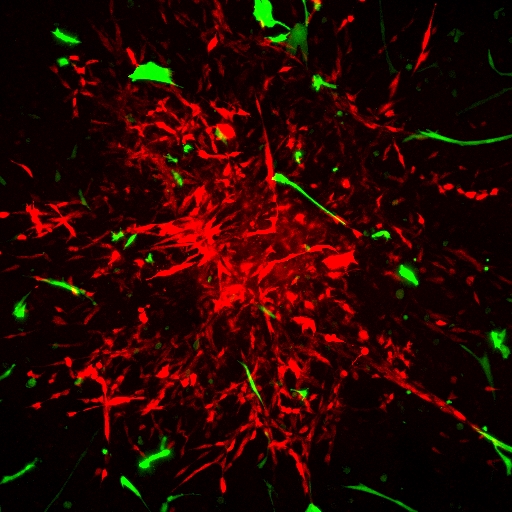
Do you know that cancer cells don’t live alone? In fact, they turn native enemies into friends… To grow, invade and even metastasize to different tissues, cancer cells produce regulatory signals to recruit various stromal cell types and modulate their behavior to act as pro-tumorigenic agents. In this image, cancer cells in a spheroid (in red) were able to invade through a human protein-based hydrogel, chemotactically attract the surrounding bone-marrow mesenchymal stem cells (in green) and directly interact with them. This “friendship” usually helps cancer cells in chemotherapy resistance.29 | Inês Oliveira
Lego Inspired Micropillars VA-CNTs
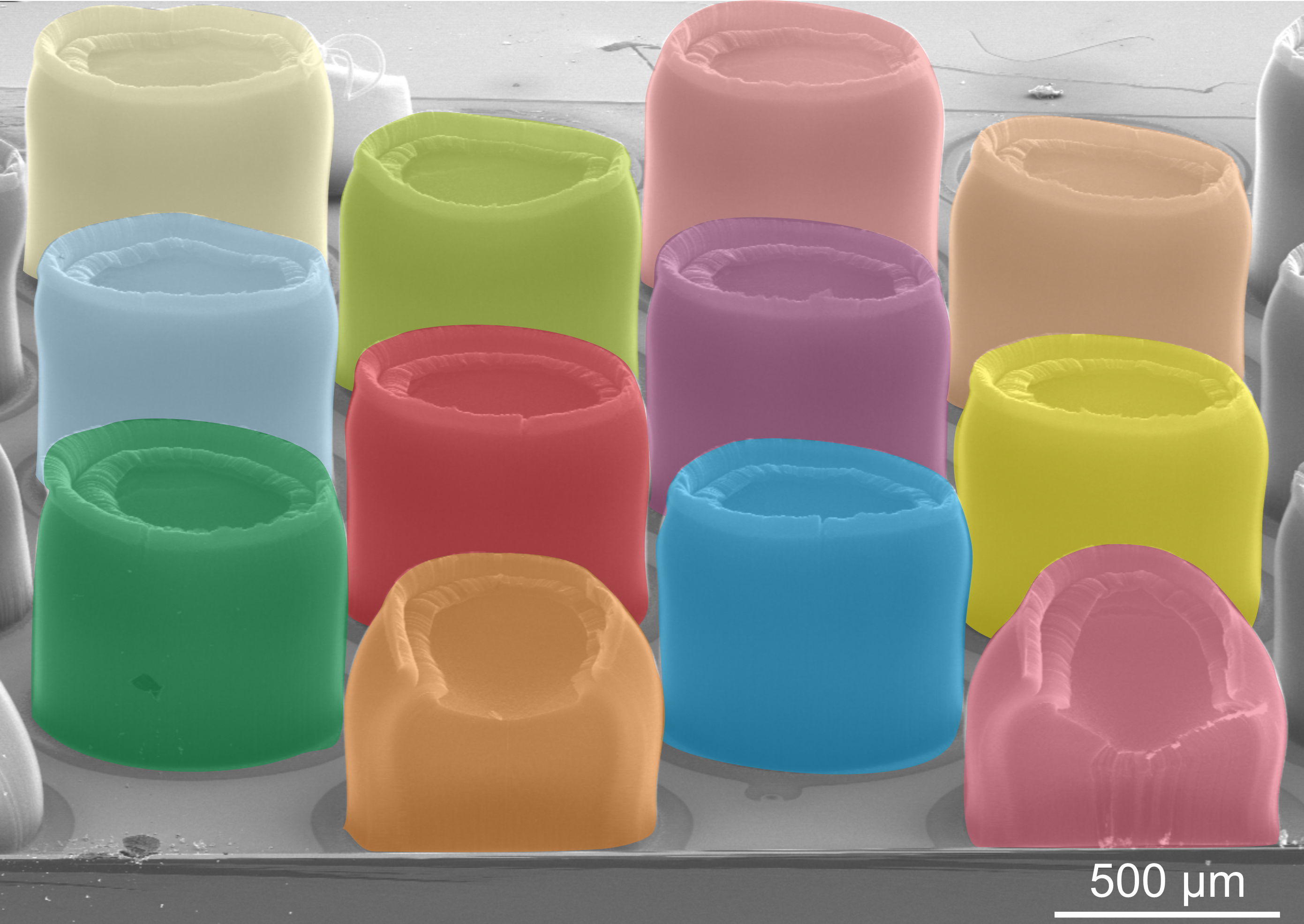
Each micropillar is made of vertically aligned carbon nanotubes (VA-CNTs), where the Van der Waals interactions between them ensures the alignment.30 | Fernando Maturi
Lighting the lab up
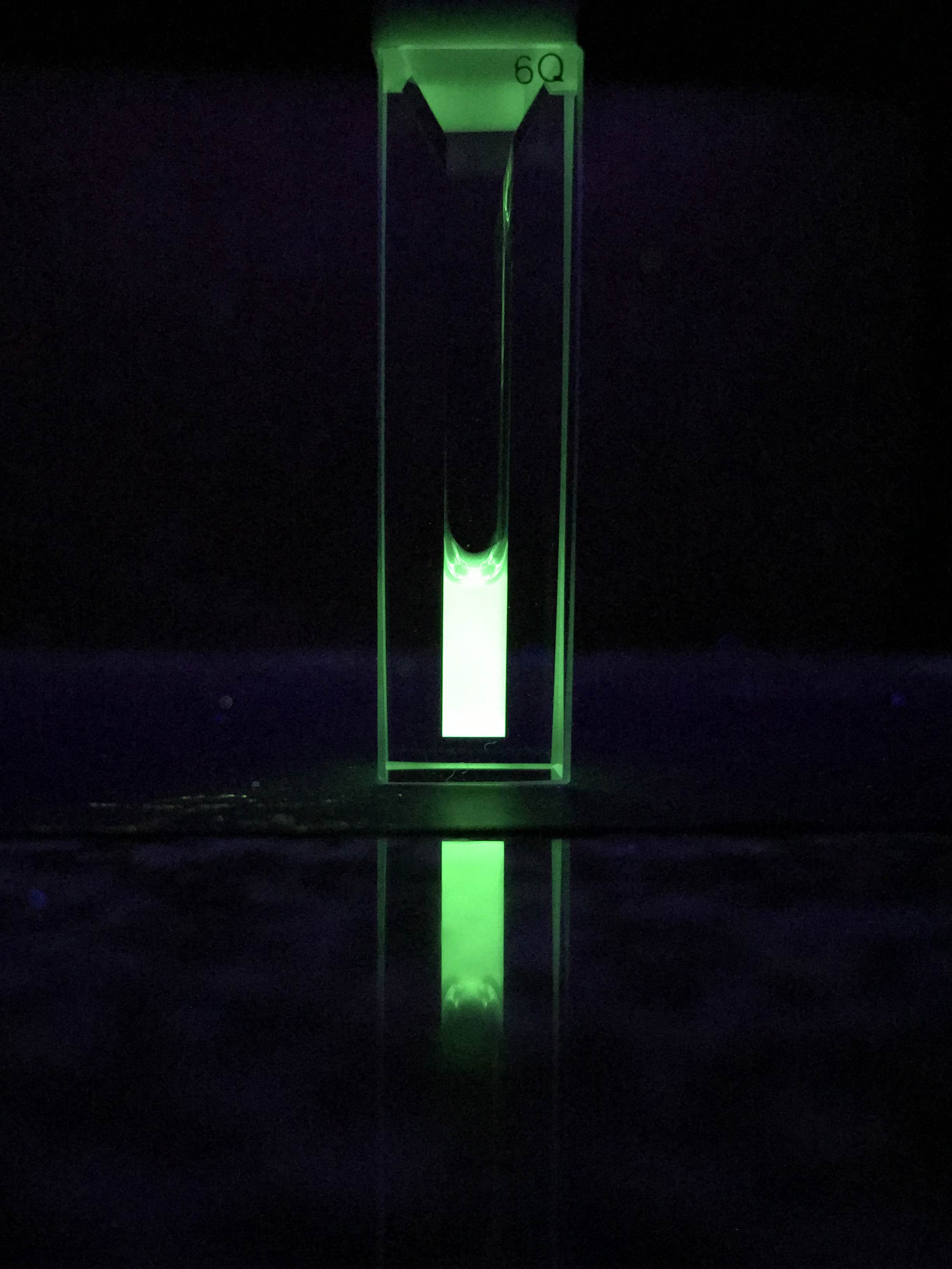
The synthesis, purification, and characterization of fluorescent materials are hard. However, it is impressive how the resulting samples shine so bright and pay off the hard work.31 | Inês Deus
Little drops make the mighty ocean
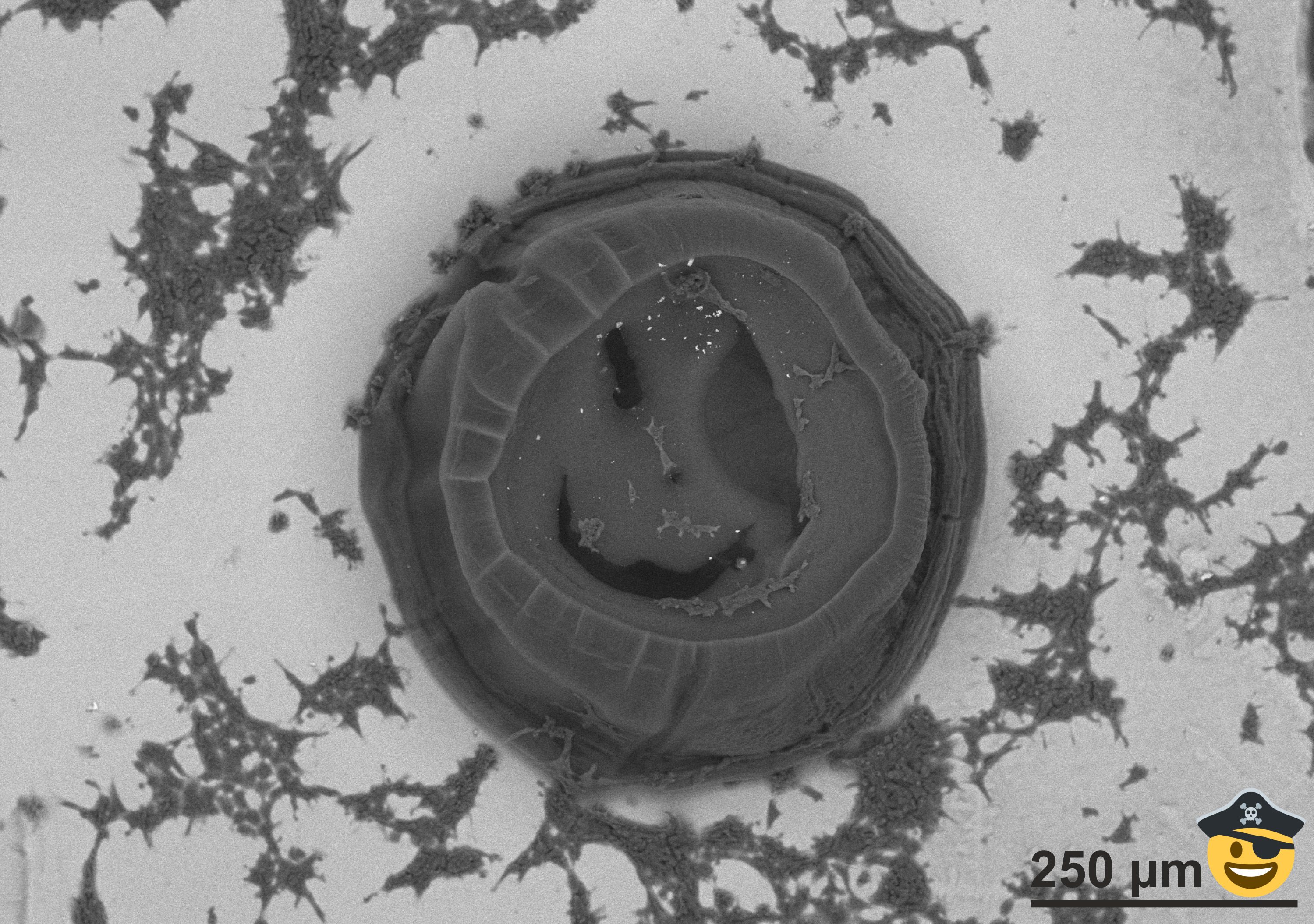
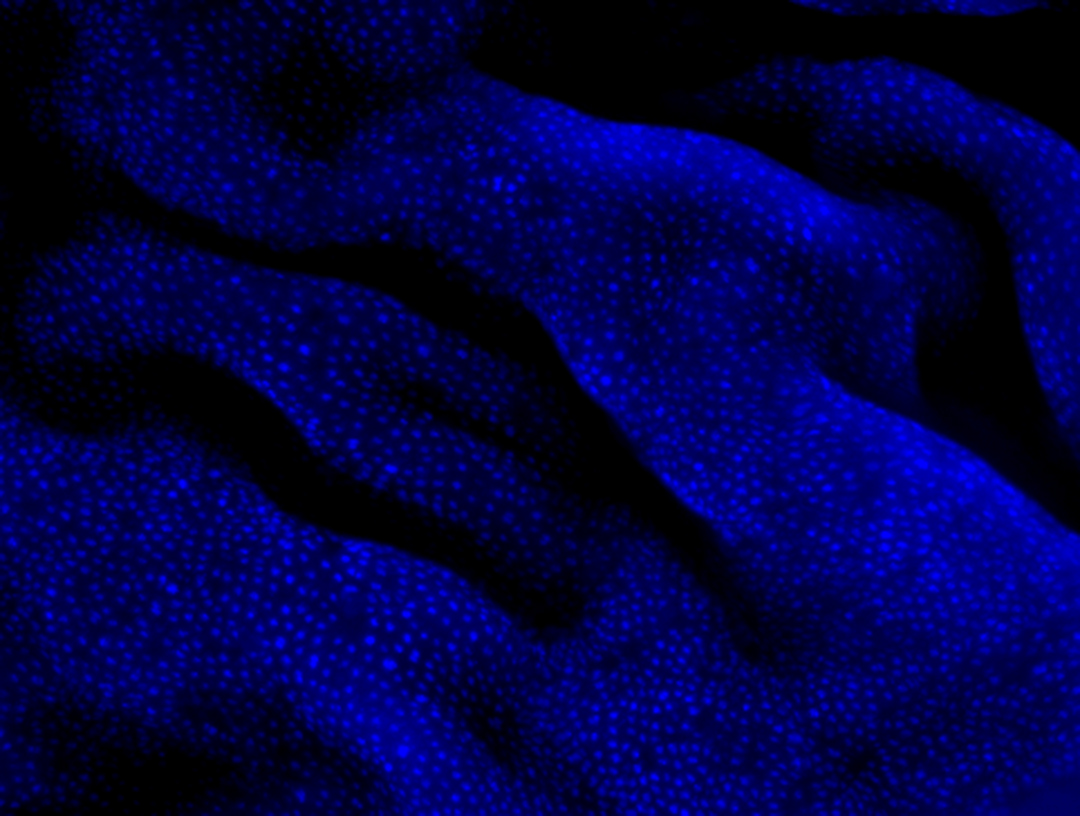
Someone once said “Little drops of water, little grains of sand, make the mighty ocean and the pleasant land.” So is the case with the cells in our body. Little units of life that make up all our tissues and organs. In this image, one can see the hundreds of cells that composed a single piece of human tissue (in this case, the amniotic membrane) looking like drops in the waves of the ocean. 32 | Ana Pinho
Little supernovae at micro scale
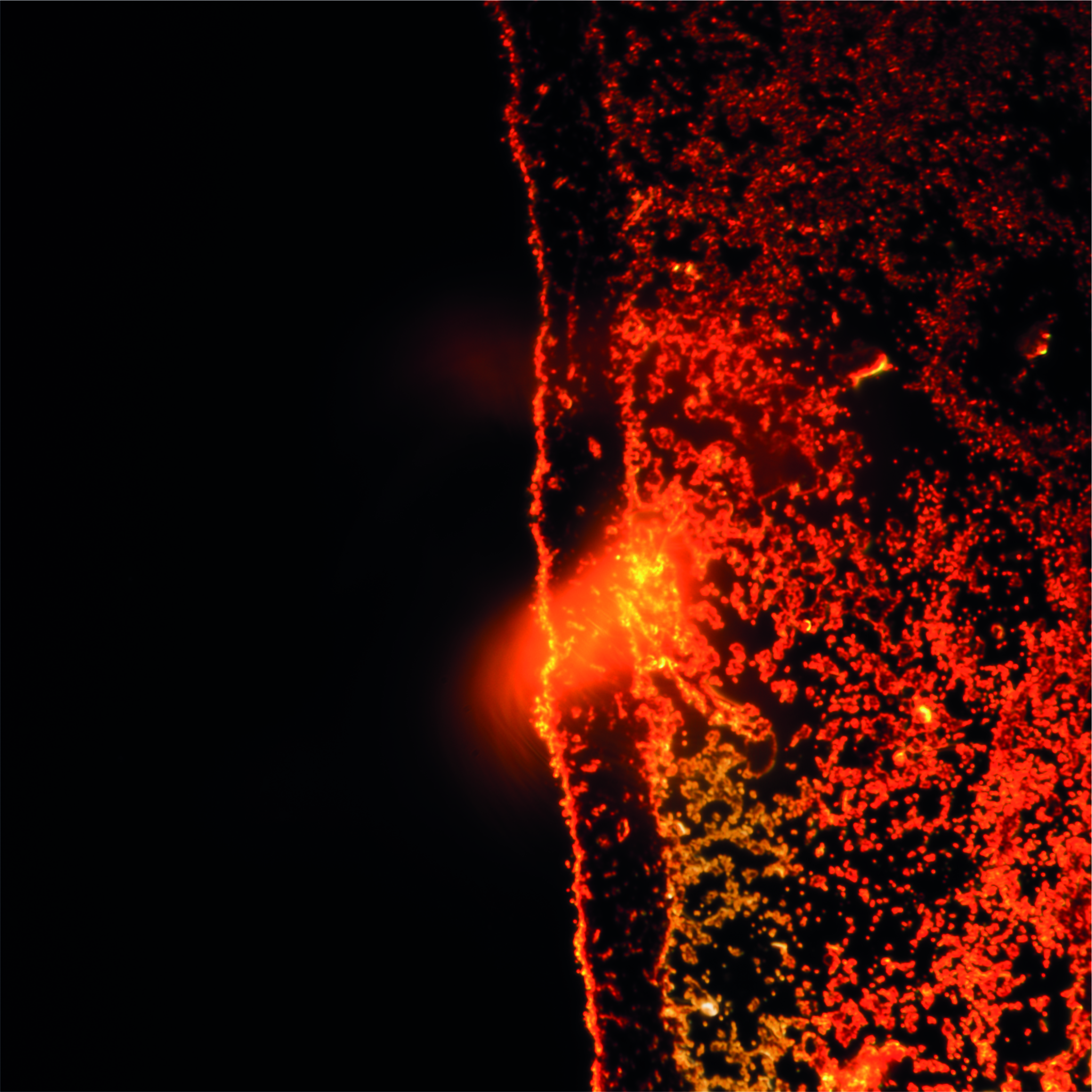
Human mesenchymal stem cells adhering to the wall of a microcapsule like small supernovae in a microgalaxy.33 | Isabel Bjorge
Living Carousel
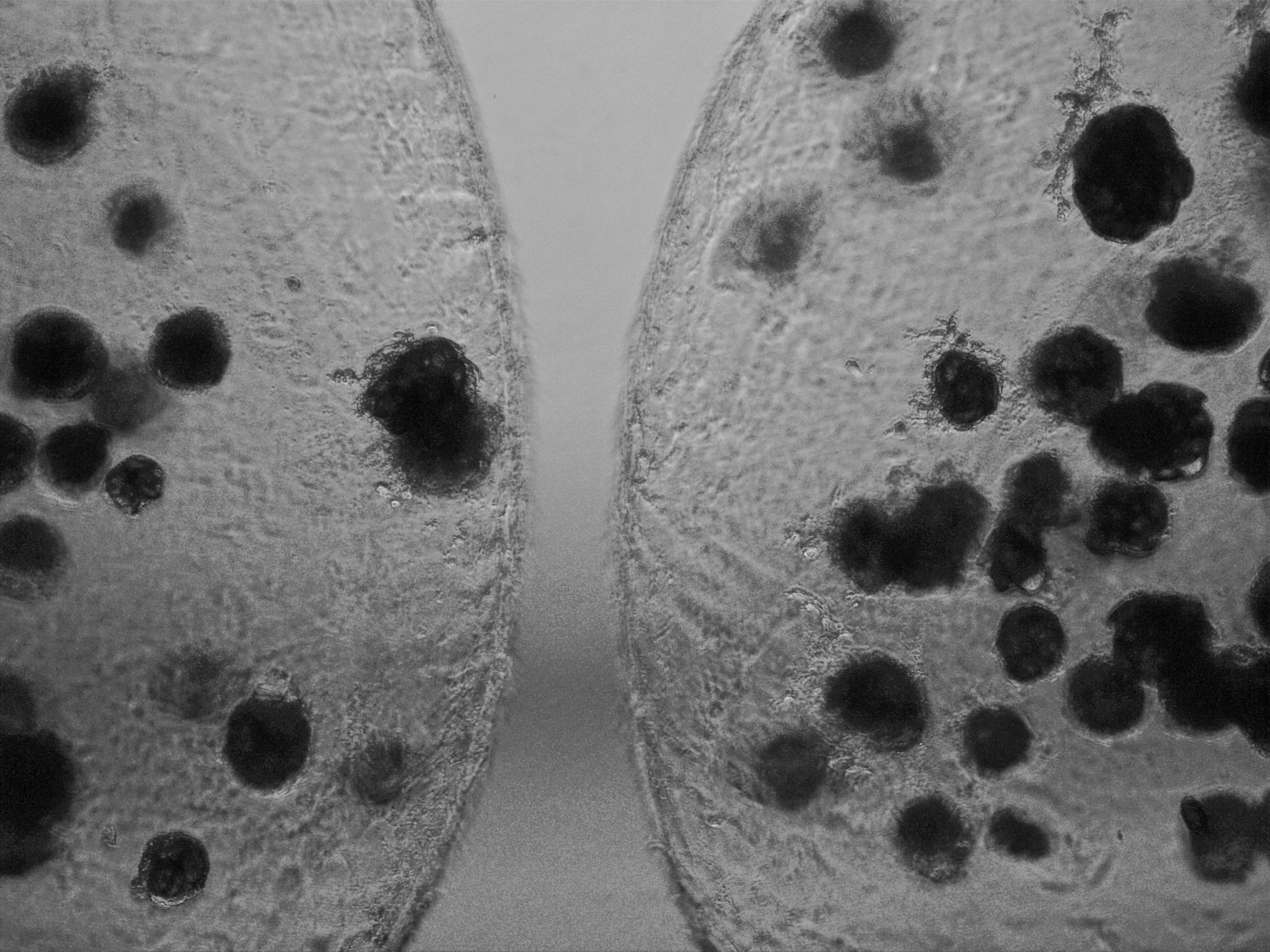
Liquid-core capsules surrounded by thin membranes constrict spherical microaggregates composed of cells and microparticles to their interior, allowing for a carousel-like experience for these living aggregates.34 | Cátia Monteiro
Miniaturizing big things
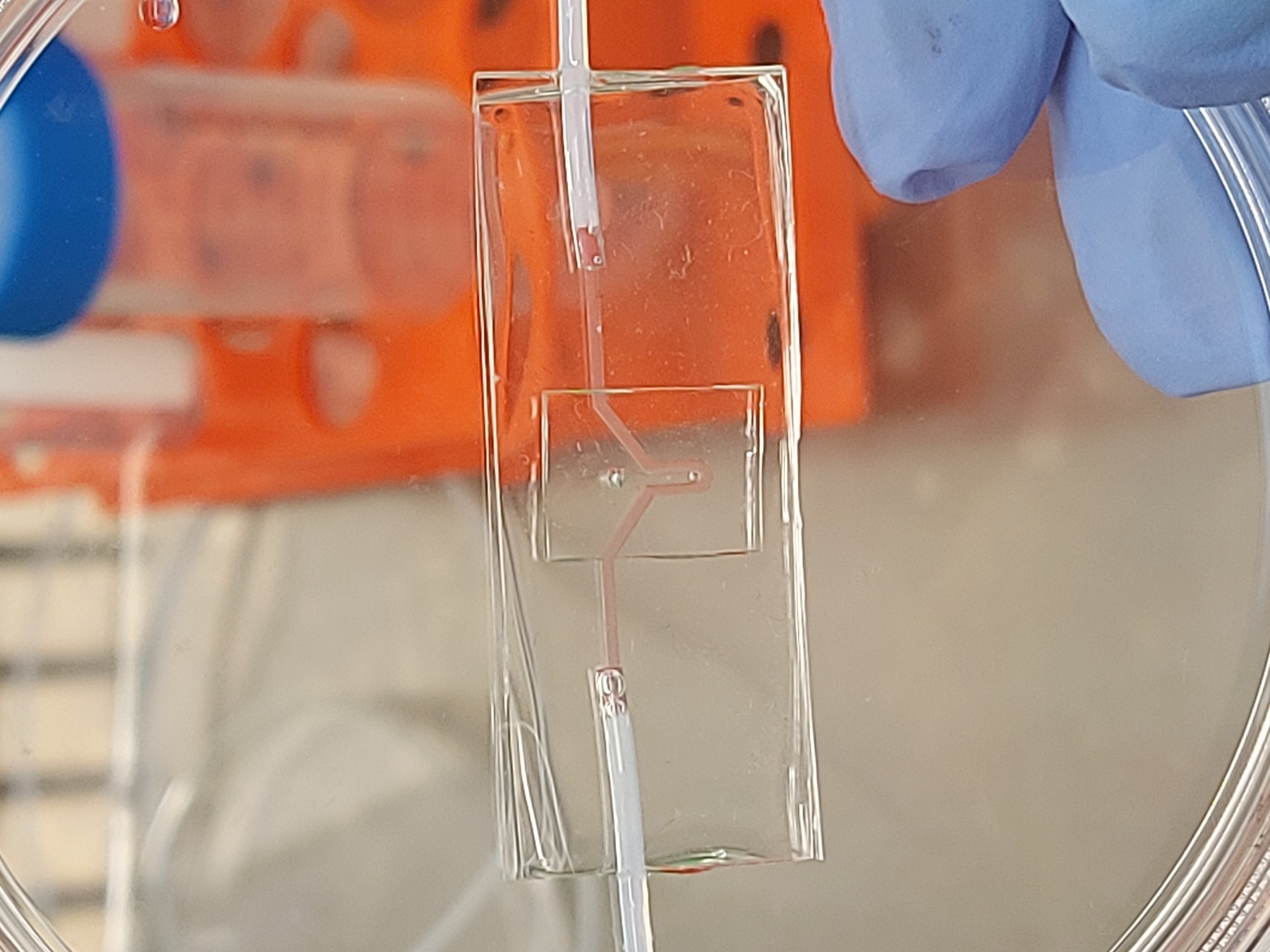
The same way that the small electronic chip arrays feed and control the device that is in front of you, a technology called “organ-on-a-chip” have emerged as miniaturized microfluidic chips able to simulate the structure of human tissues. Organ-on-a-chips can be built in clear pieces of silicone with variable design (usually poly(dimethyl siloxane), as the one showed in the photo) where cells can grow. The main particularity of these 3D models is that they work with continuous fluid flow, providing nutrients and applying an in vivo-like shear stress to reproduce tissue function in a more realistic way. This microfluidic chip combines biomaterial science with organ-on-a-chip technology to recapitulate osteosarcoma tumor invasion.35 | Joana Martins
Oops, I did it again!
When you are in the lab and don't learn the mistakes the first time you do them and then you have to work with what you got. Nevertheless, working with luminescent thermometry is fun!36 | Helena Nogueira
Red photons scattering: water droplet on a hydrophobic surface
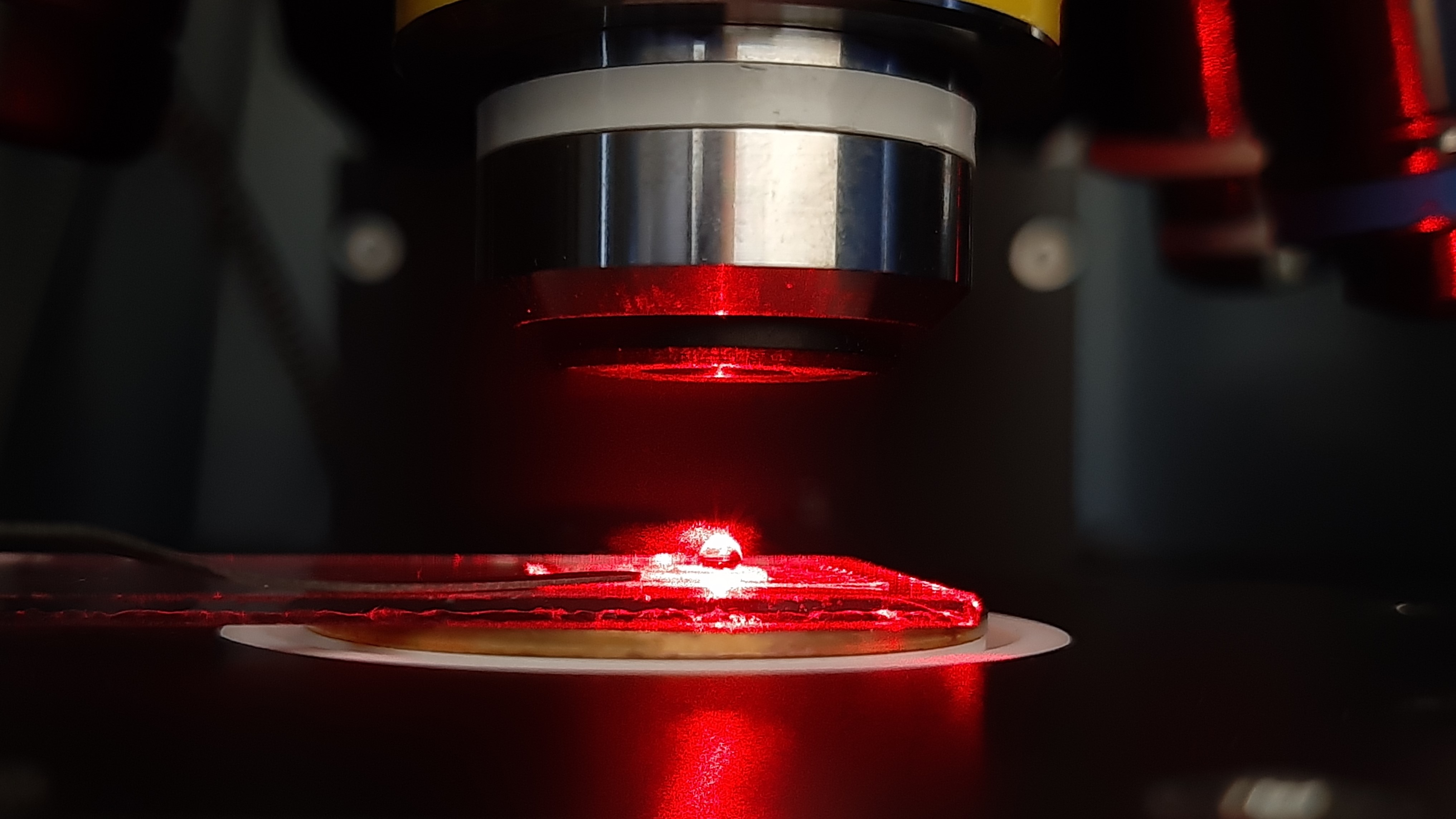
Sample compartment during a Raman spectrum acquisition in the confocal microscope system WITec alpha300 RAS+.37 | Ana Silva
Rising pyramids
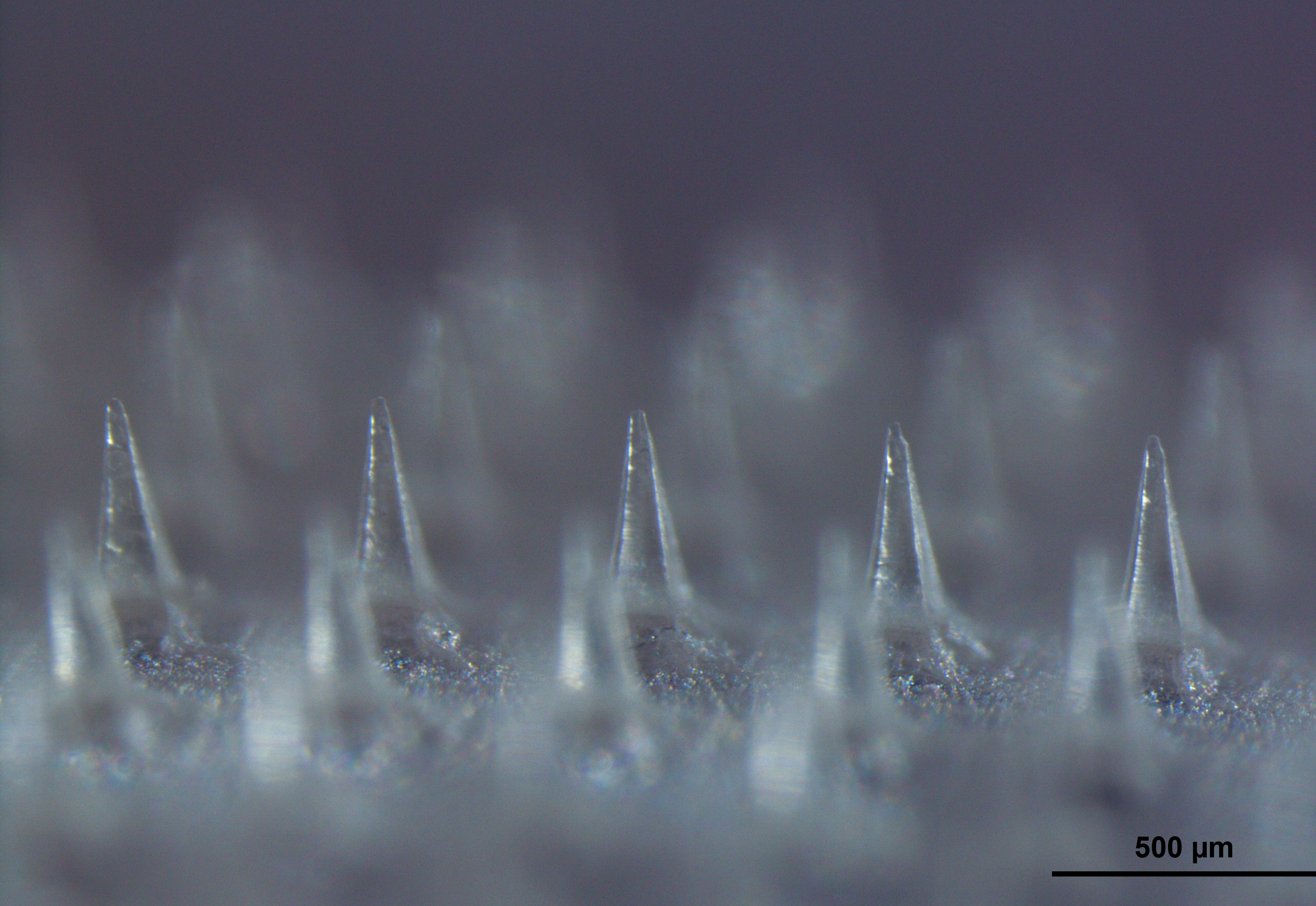
Microneedles are arrays of needle-like projections in the micrometre range. The image emphasizes the pyramidal structure of the micron-sized needles in the patch, designed to painlessly puncture skin in a minimally-invasive manner. Biopolymeric microneedles are promising systems constructed from safe and biocompatible polymers and can be used as carriers for the release of therapeutic cargo across the epidermal layer, or as vehicles for interstitial fluid absorption to retrieve crucial biomarkers in the diagnosis of specific pathologies. 38 | Sónia Ventura
Seeing behind the colors.
The vision of University of Aveiro through the colors of marine biorefinery.39 | Ana Caetano
Stairs to the future
Geopolimeric structure with special shape. 40 | Maria Monteiro
Stroma Everywhere: The Close Relationship between Tumor Cells and the Surrounding Stroma
Understanding and recapitulating native pancreatic ductal adenocarcinoma (PDAC) tumor-stroma niche is crucial to accelerate the discovery of new and effective therapies. Herein, we leverage in superhydrophobic surfaces to bioengineer core-shell tumor-stroma 3D PDAC models that mimic the close tumor-stroma relashionship mediated by the physical differential organization where cancer and stroma compartments are patterned according to their unique native tumor architecture in which tumor core is enveloped by the fibrotic stroma. The presented F-actin fluorescence micrograph show the established 3D tumor model composed by cancer cells and spread cancer-associated fibroblasts, a key population of PDAC stroma.41 | Bernardo Tavares
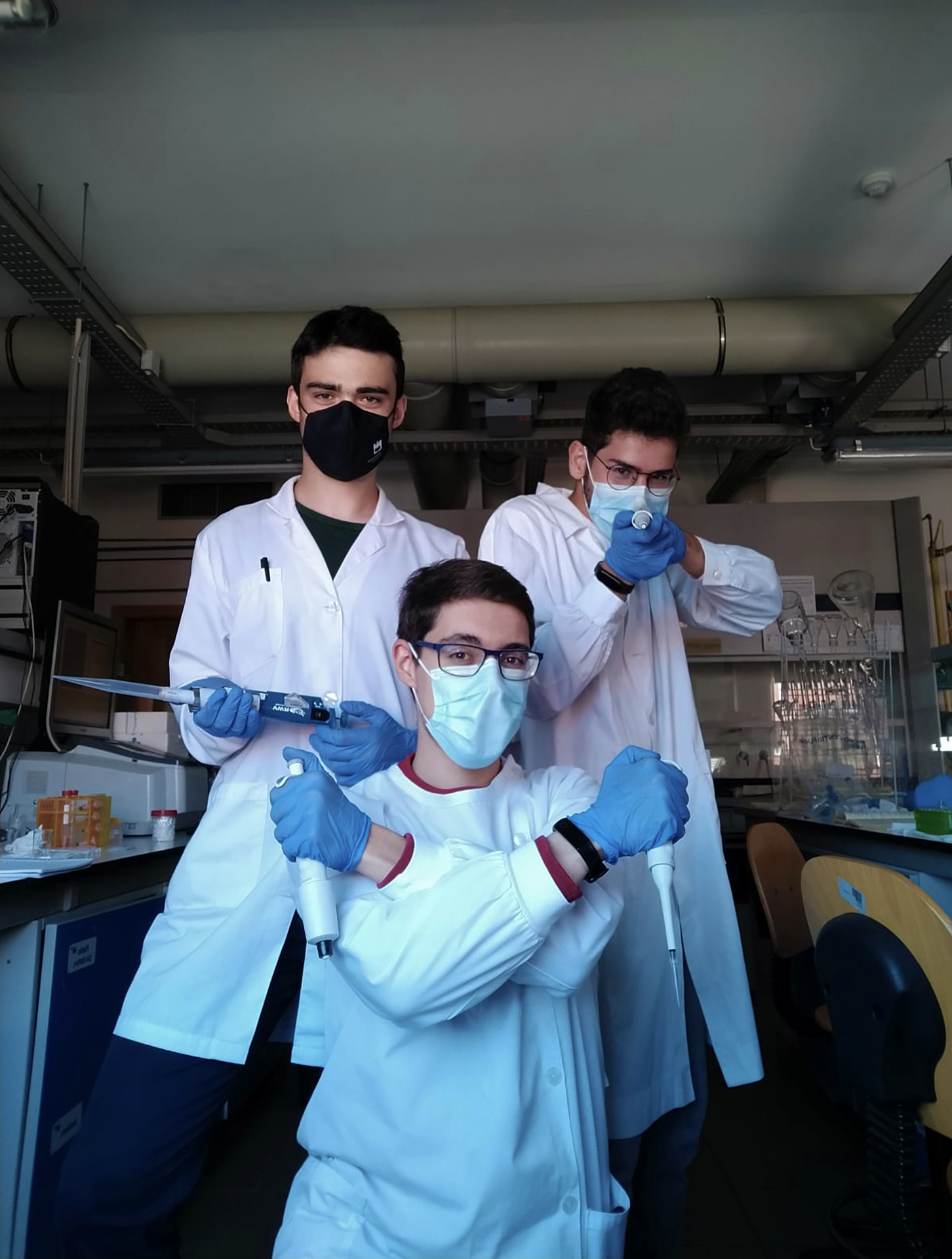
Teamwork!
A happy and motivating work environment in the lab42 | Cariny Polesca
The world goes beyond what our eyes can see
The microscope makes it possible for our eyes to have the power to visualize the structure of chicken feathers even after grinding.43 | Fernando Maturi
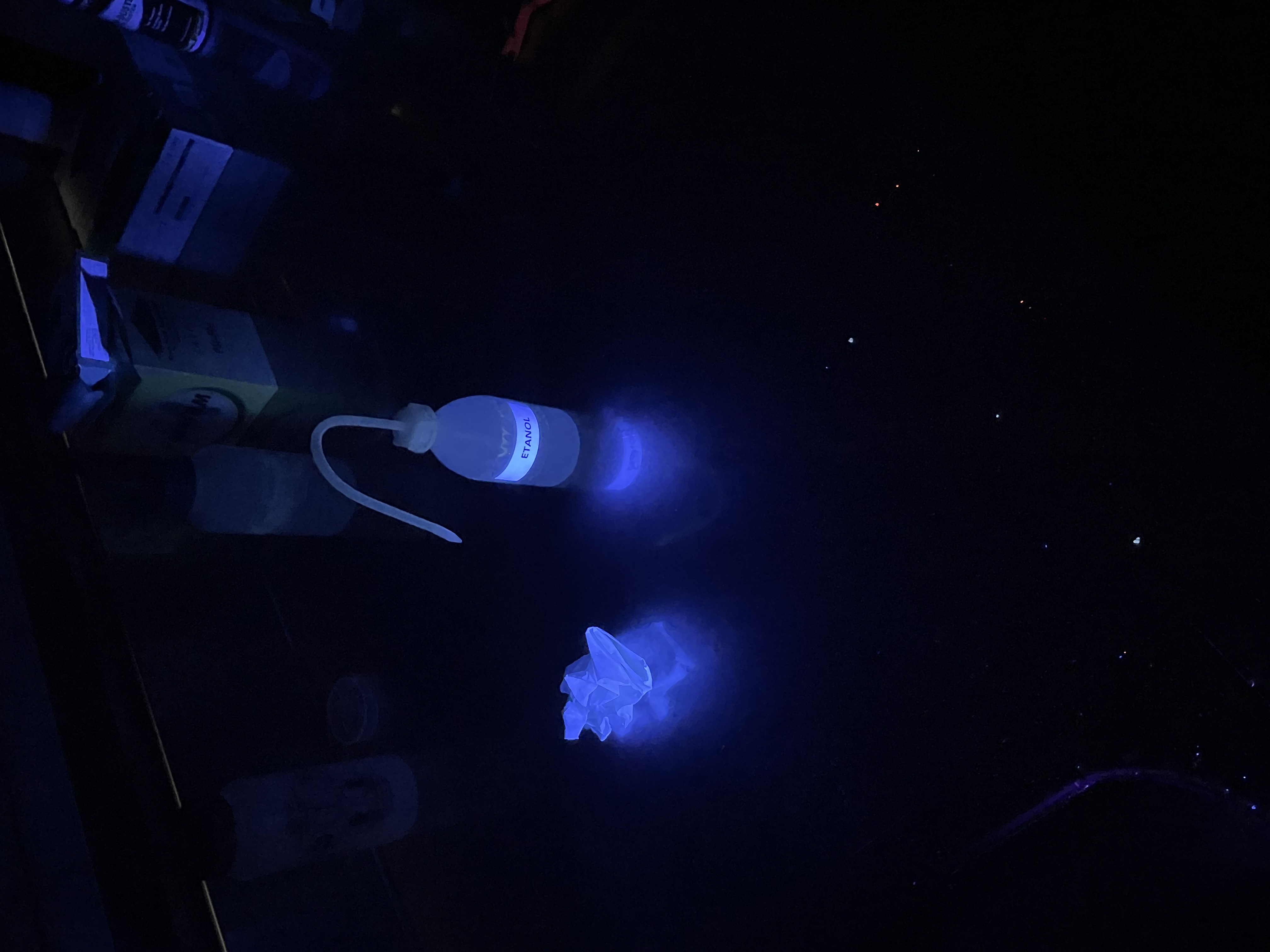
The world is not what it seems
We cannot trust our eyes to describe the world around us because there is way more than we can see. This becomes pretty obvious when we shine a UV lamp onto something, where even a perfectly cleaned surface reveals traces of weird luminescent materials.44 | Miguel Rodríguez
There is always a replacement!
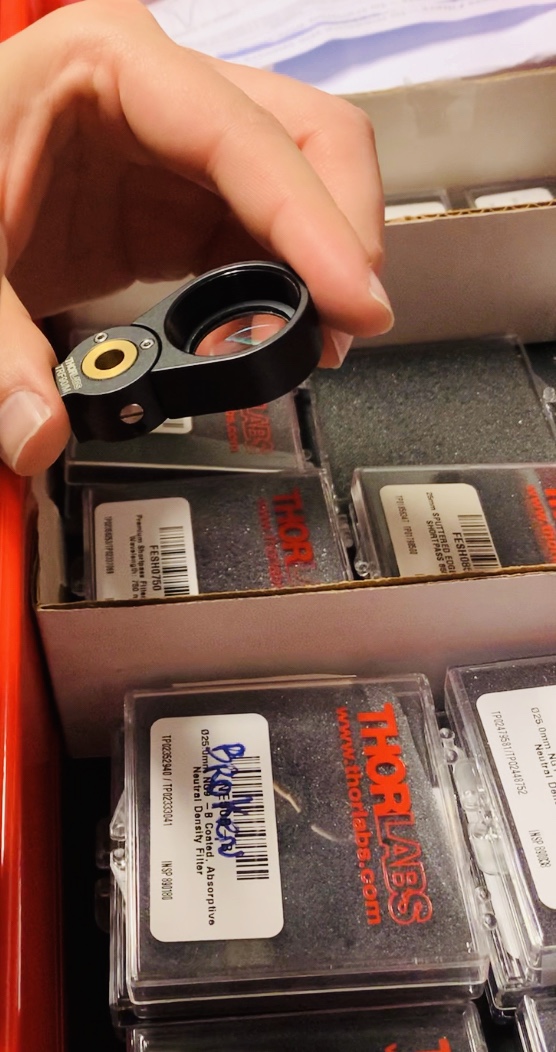
Take it easy! There is always a way to overcome the daily challenges. Find the proper filter!45 | Helena Nogueira
There is always a solution
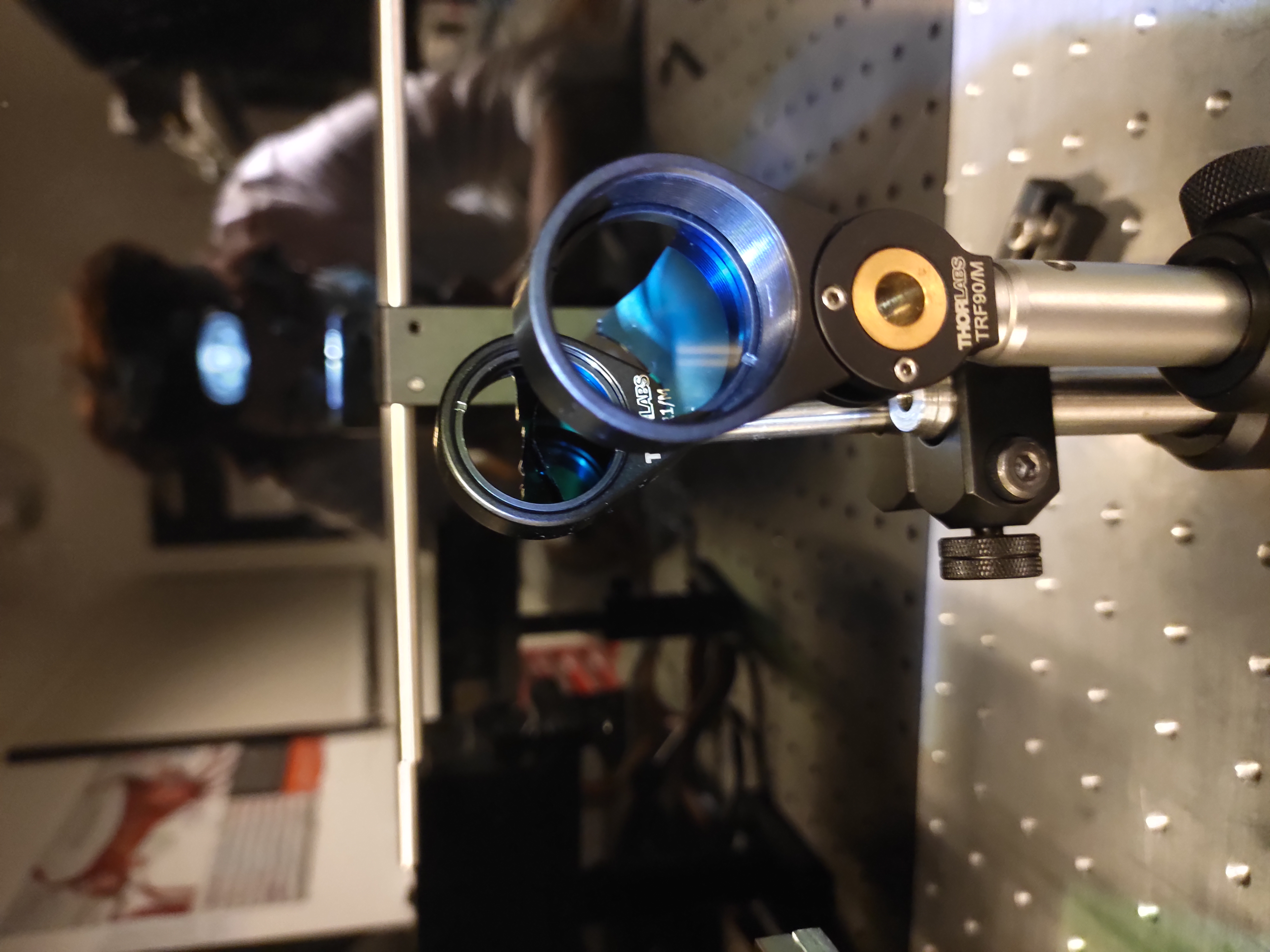
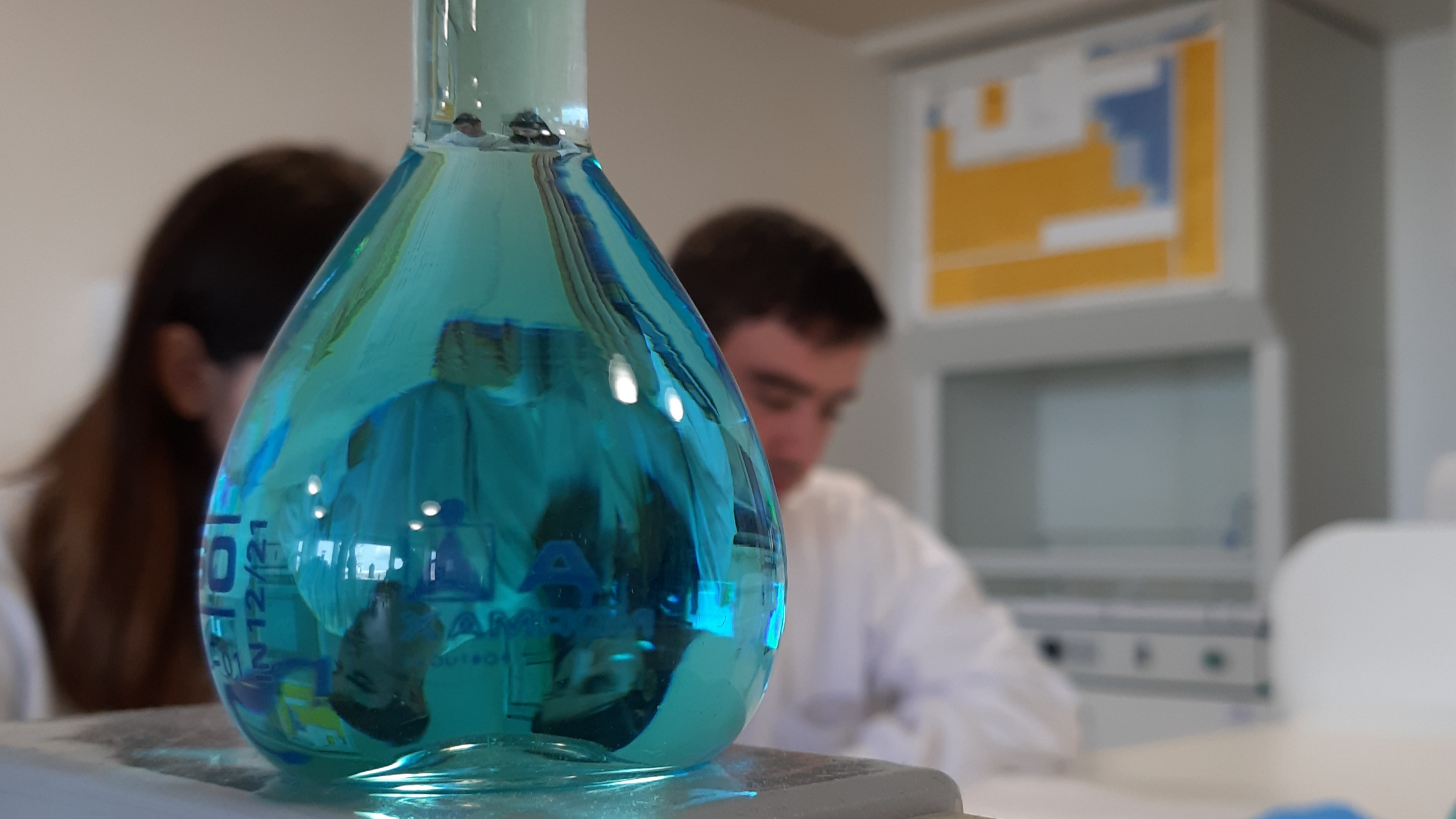
Work in the chemistry laboratory (oral permission was obtained from the intervenients, though the faces are not clear).46 | Inês Deus
There is no such thing as a self-made man … or cell
Cells, the basic units of life; small machines that facilitate and sustain every process within a living organism. Our body is composed of trillions of them. Every each one with a specific function, but all working together to keep life going. In this image we can see human cells interacting with each other through their actin filaments (in green).47 | Natércia Martins
United colors of gold nanoparticles
Gold colloid after the addition of cysteine solutions of different concentrations 48 | Ana Gomes
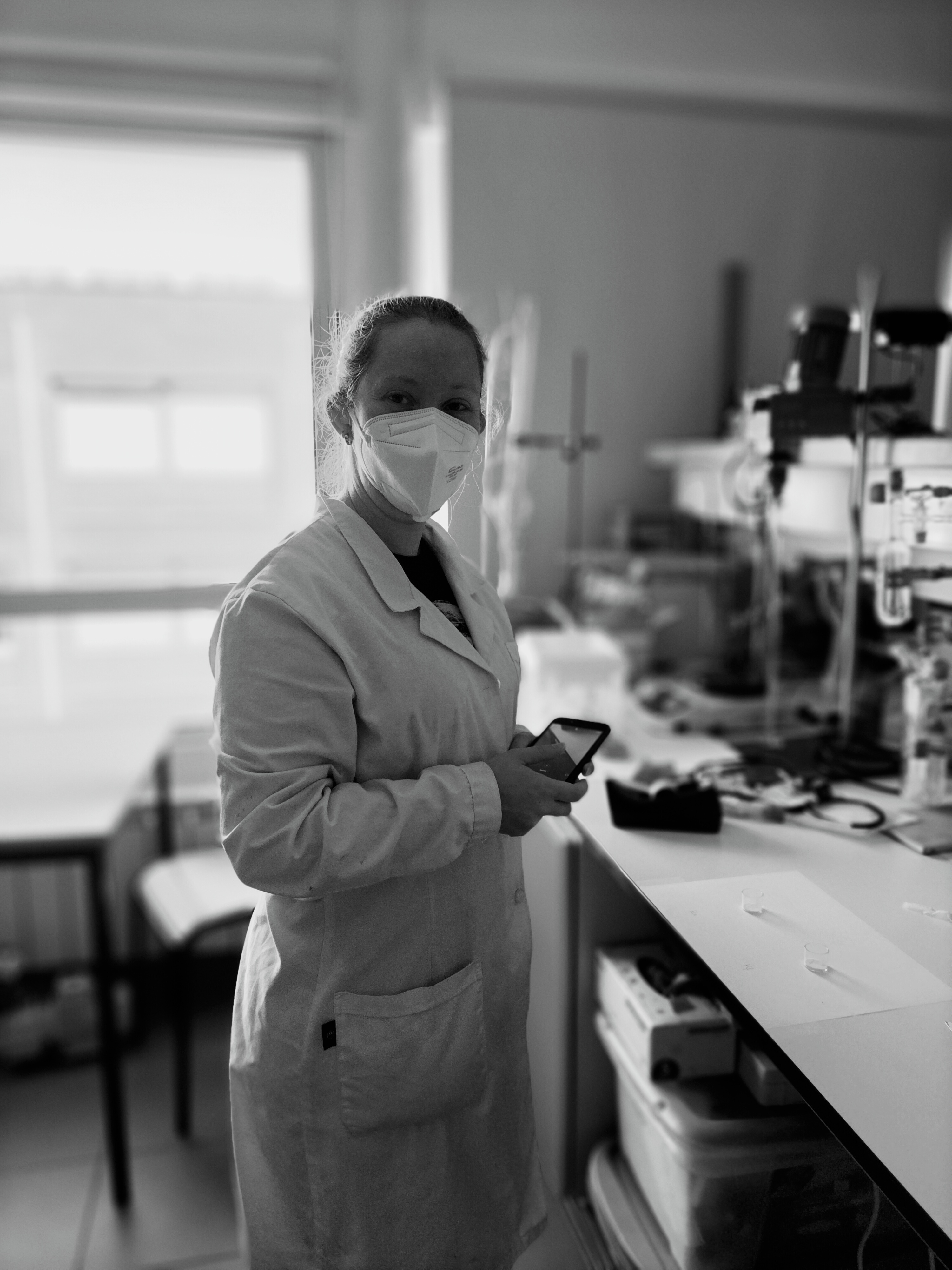
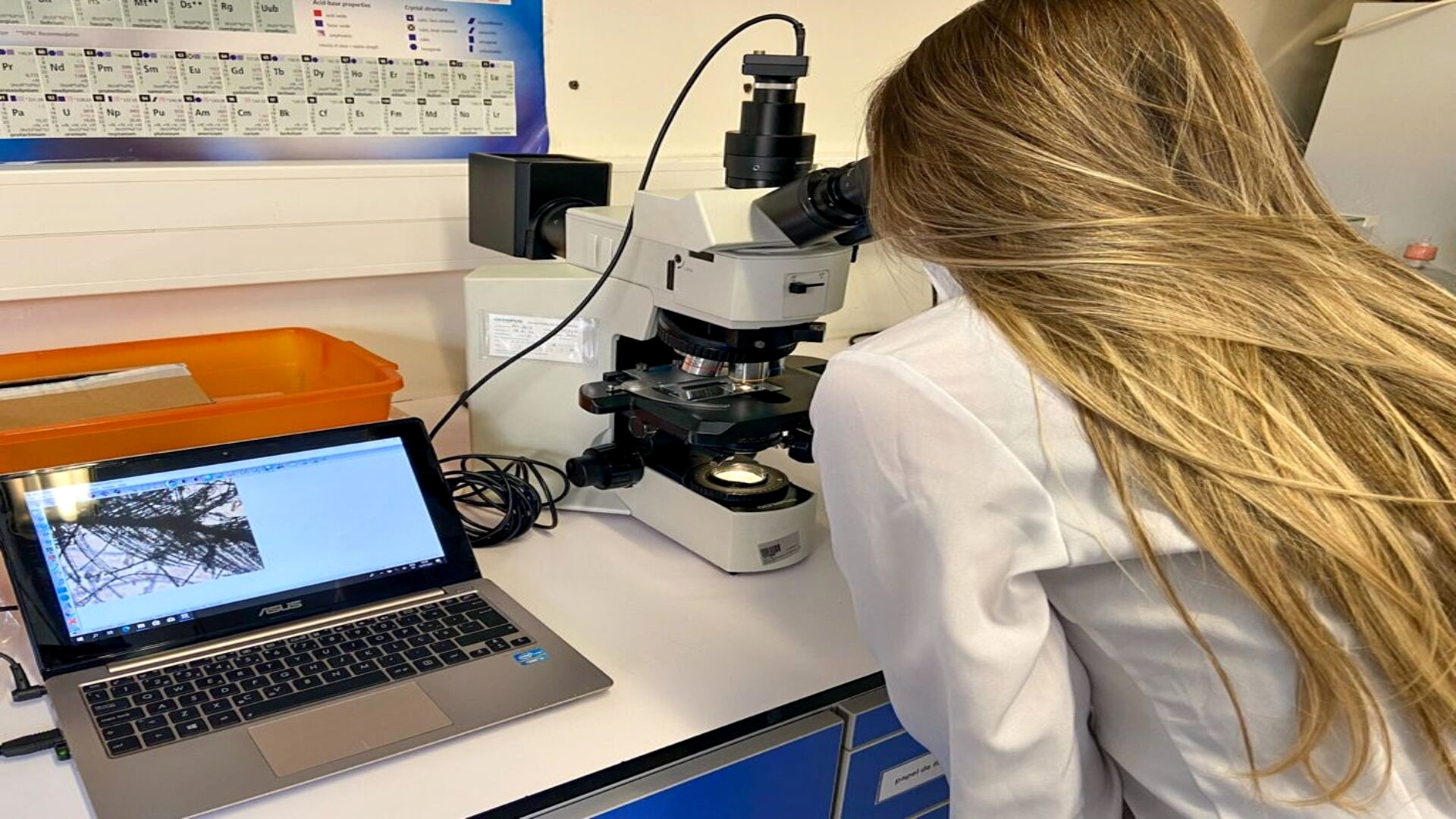
Working in the lab during the COVID pandemic
The photo illustrates that even during the COVID pandemic, the researcher is still excited about her work.49 | Bruno Valente
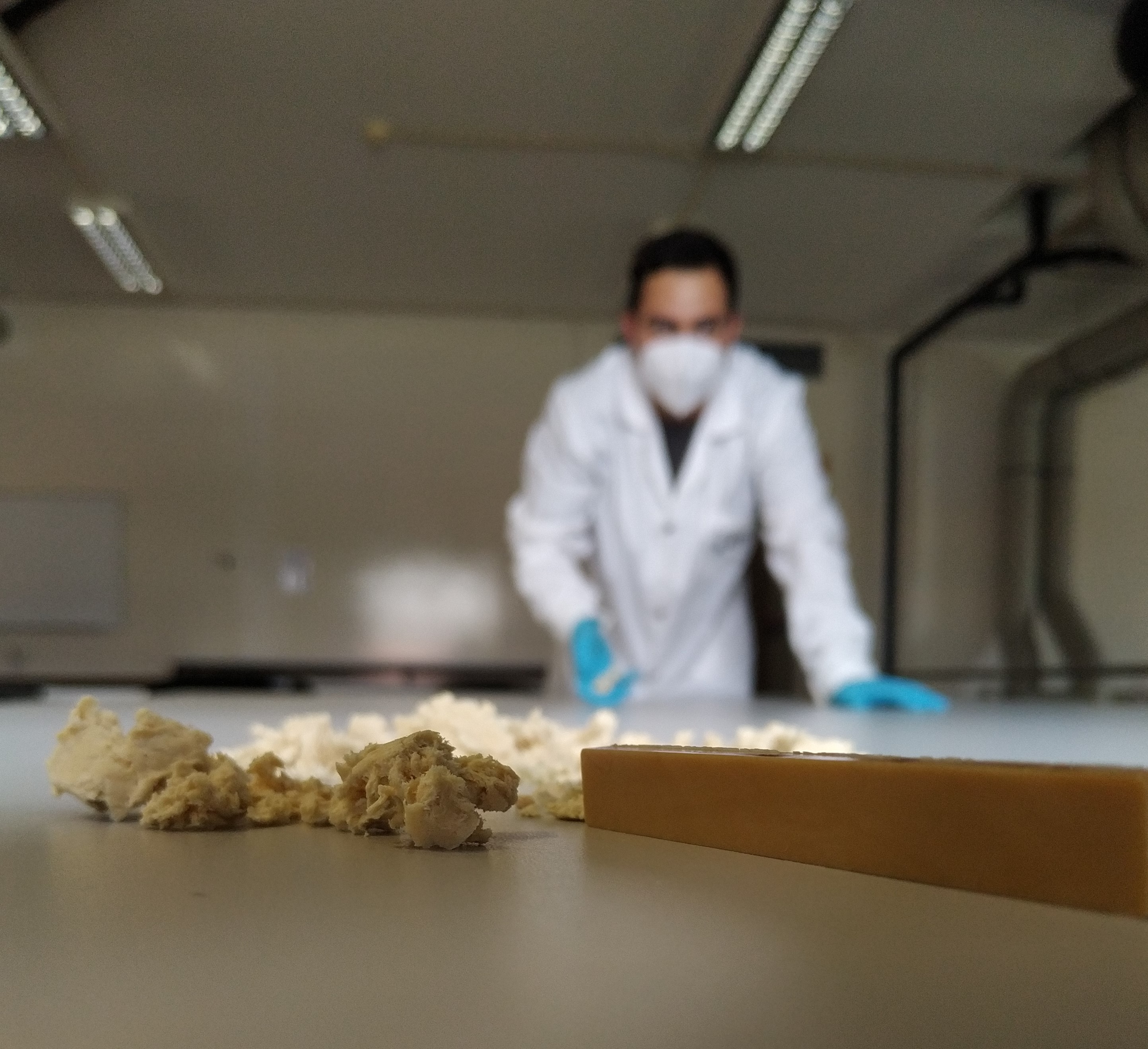
Your turn to roll the dices!
Time is up! Environmental disasters are getting more frequent, powerful and dangerous. It’s undeniable that we have to change to a more sustainable lifestyle before it’s too late to win the game. As scientists, it’s our chance to play a role in society and contribute to a better future. Our green composites developed in CICECO, with many end applications ranging from the automotive, furniture and electronics, are not only entirely made of renewable materials but also biodegradable. They are certainly the way to go to replace the non-recyclable and non-biodegradable conventional composites based on fossil resources. We realise that our contribution to solve the environment issues is only a little piece of a much broader game, but a much needed one. It’s our time to roll the dices!50 | Catarina Novo
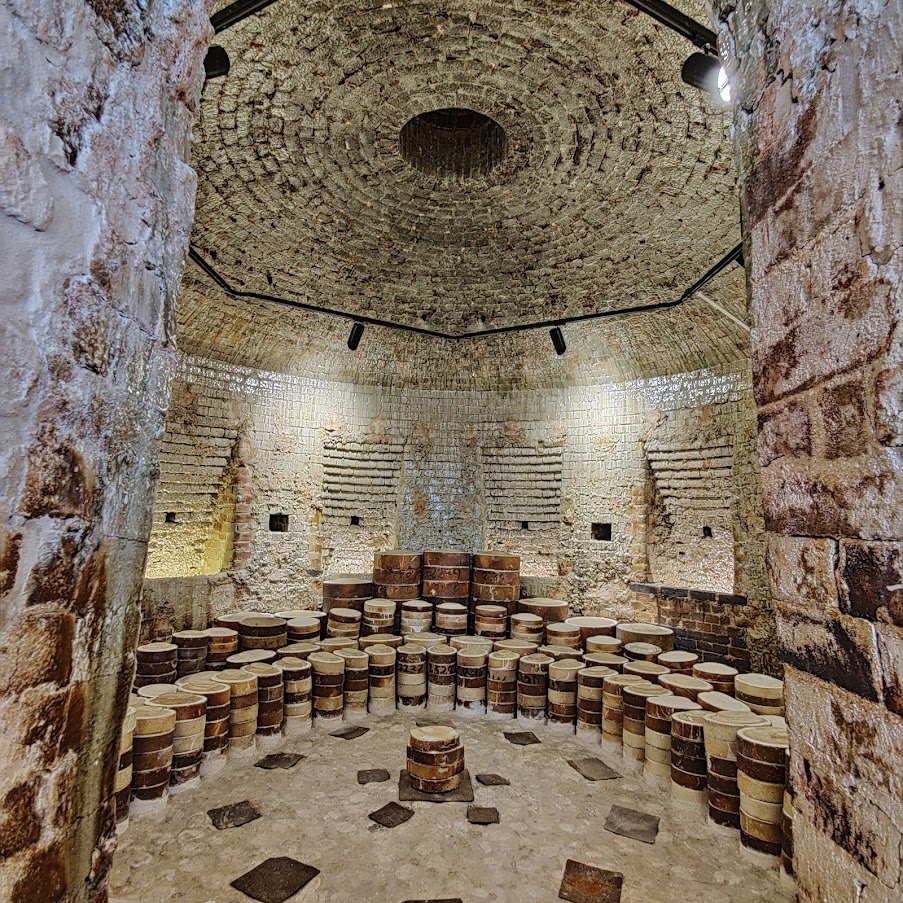
A Kiln with History
In the photo we can see the kiln that was used for ten thousand years to produce ceramic. This one was in use until the late 1980s and was built in 1947. The boxes in the photo are refractory boxes, saggars, and were placed in a circle along the wall in order to fill the entire kiln. These boxes enclosed the porcelain piece and protected it from combustion impurities. Placing the porcelain in the kiln was difficult to perform and required a skilled person. The numbers on the saggars corresponded to the employee´s number that filled the saggar. When the kiln was filled, the door was sealed with bricks and raw clay. The kiln was heated at a temperature of 1350 ºC and the process took 40h. This kiln is currently in exhibition in the Vista Alegre Museum.51 | Miguel Rodríguez
Aveiro, the city of lights
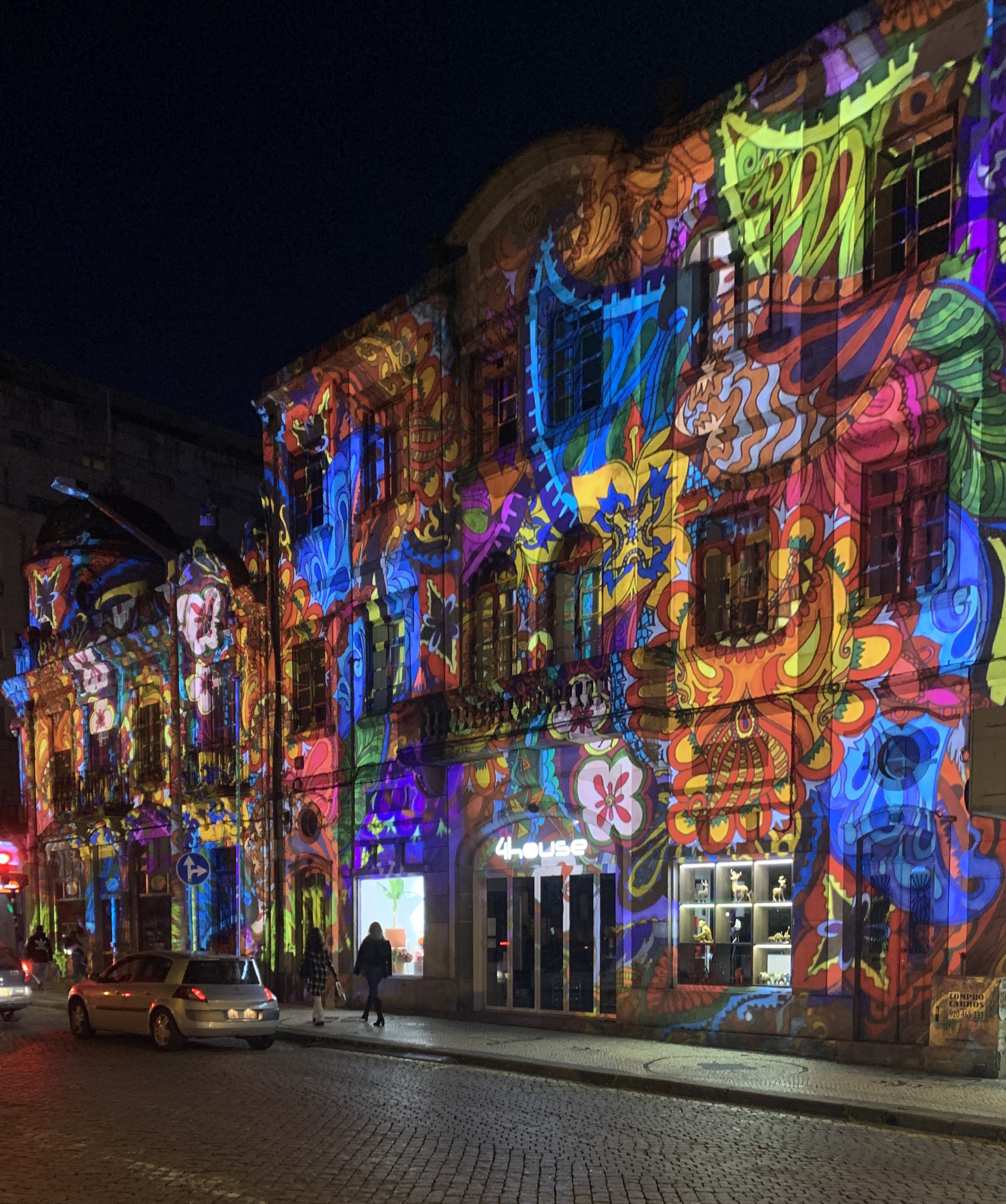
- Aveiro Art Light Tech Festival 2020 -A regular building located at Av. Dr. Lourenço Peixinho covered by lights and neons in a thematic night that reminds me my daily work at university, working on systems based on light-matter interactions.52 | Sónia Ventura
Biomass, water and sun
Biomass, water and sun53 | Helena Nogueira
Building bridges
Raw vs modern materials.54 | Iola Duarte
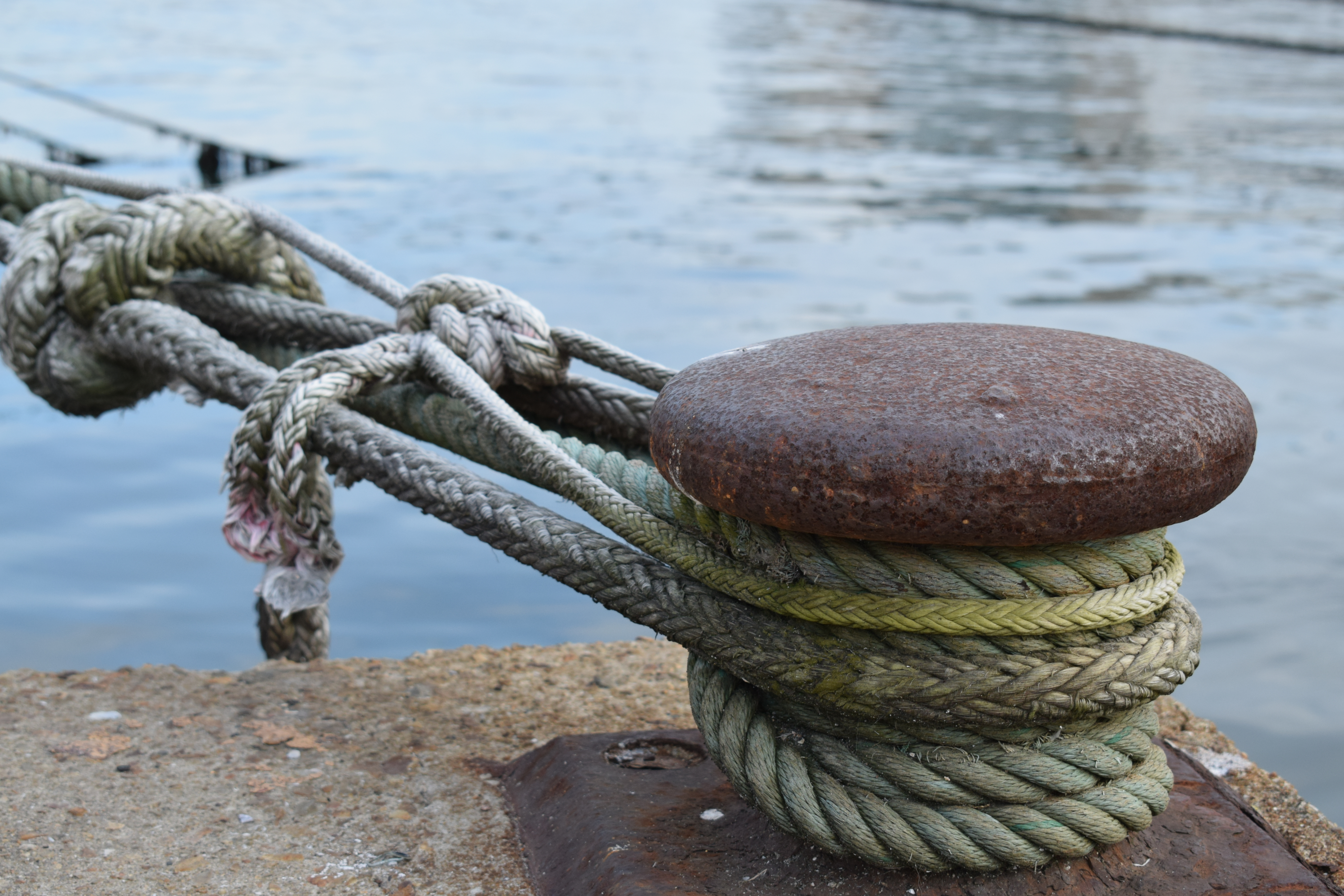
Cabeço com cabos enrolados | Mooring ropes around a port bollard
Naturais ou sintéticas, entrançadas ou torcidas, as cordas acompanham há séculos as lides do mar e resistem às marcas do tempo. Em Aveiro, no Cais dos Bacalhoeiros.Natural or synthetic, braided or twisted, ropes have accompanied the labors of the sea for centuries and have resisted the marks of time. In Aveiro, at ‘Cais dos Bacalhoeiros’.55 | Inês Vilarinho
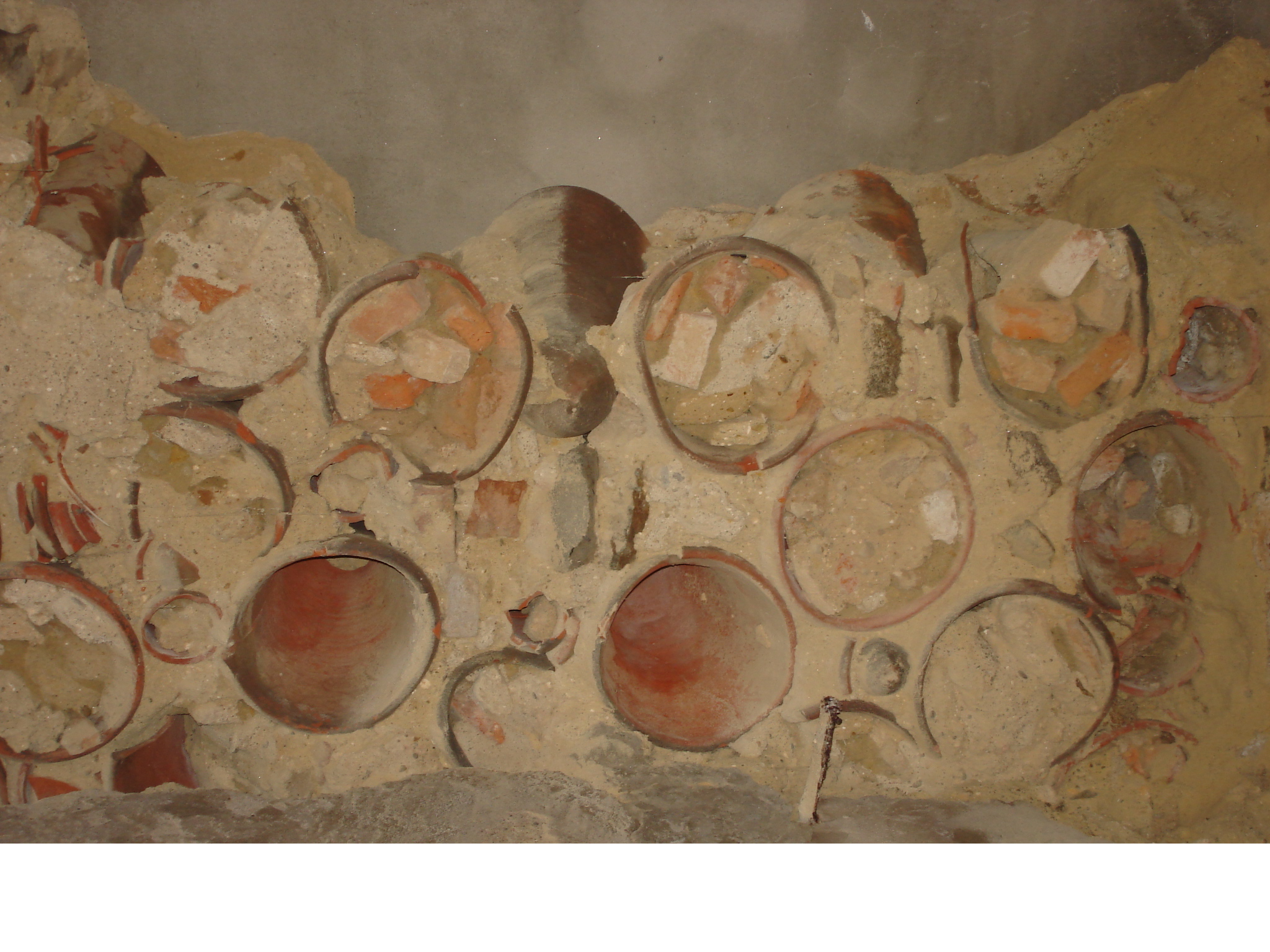
Ceramic containers used in transporting cereals as wall construction material
Ceramic containers used in transporting cereals as wall construction material56 | Márcia Silva
Connections
The ceramic material connecting the two sides57 | Sónia Ventura
Energy through water molecules
Energy through water molecules58 | Joana Martins
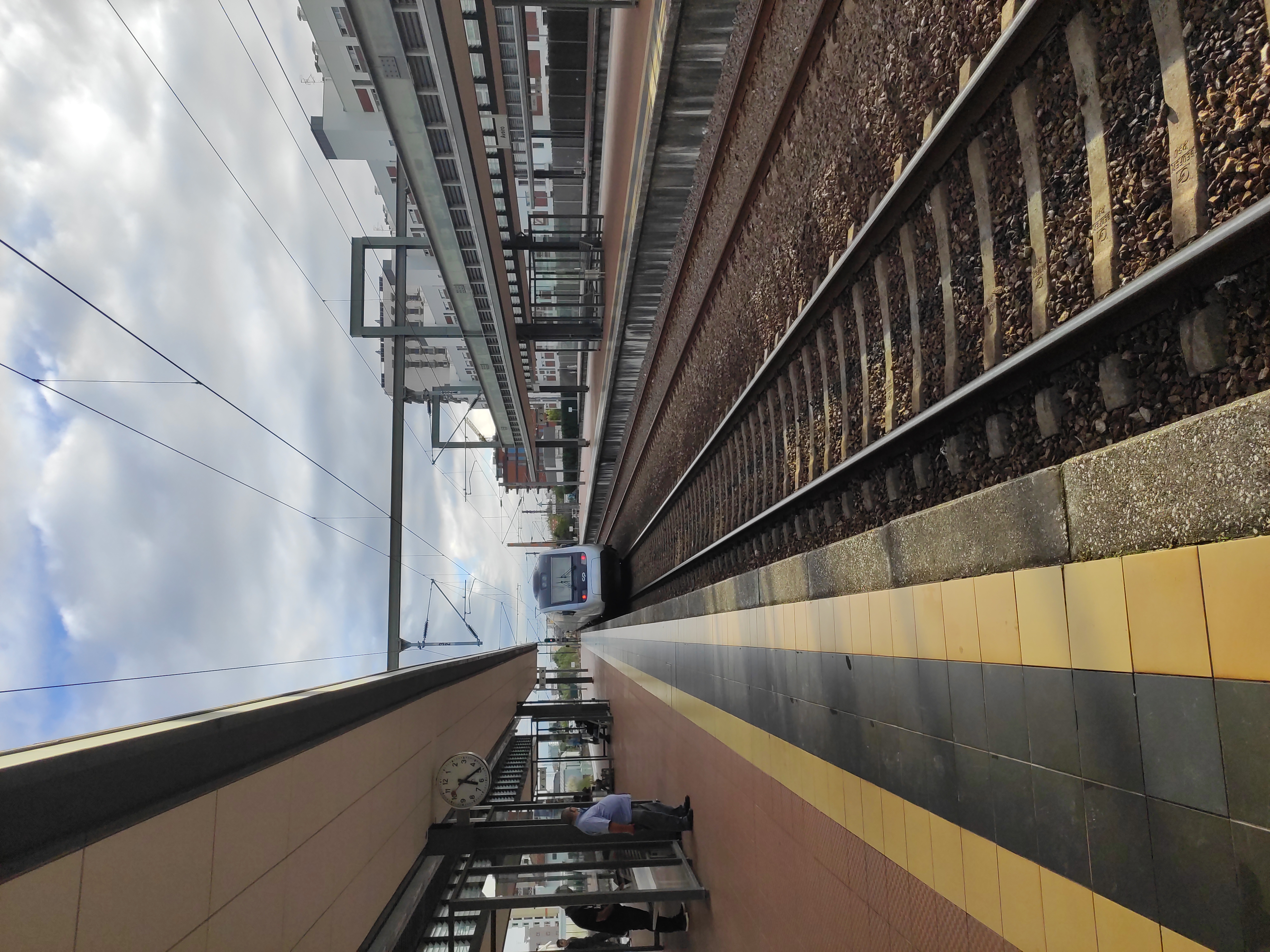
From Aveiro to anywhere
Nothing better than the sight of our train station to help us understand how materials shaped our city. In the back we can see the traditional chimney from the ceramics factory representing the past, and the train in front taking us further away into the future.59 | Cláudia Lopes
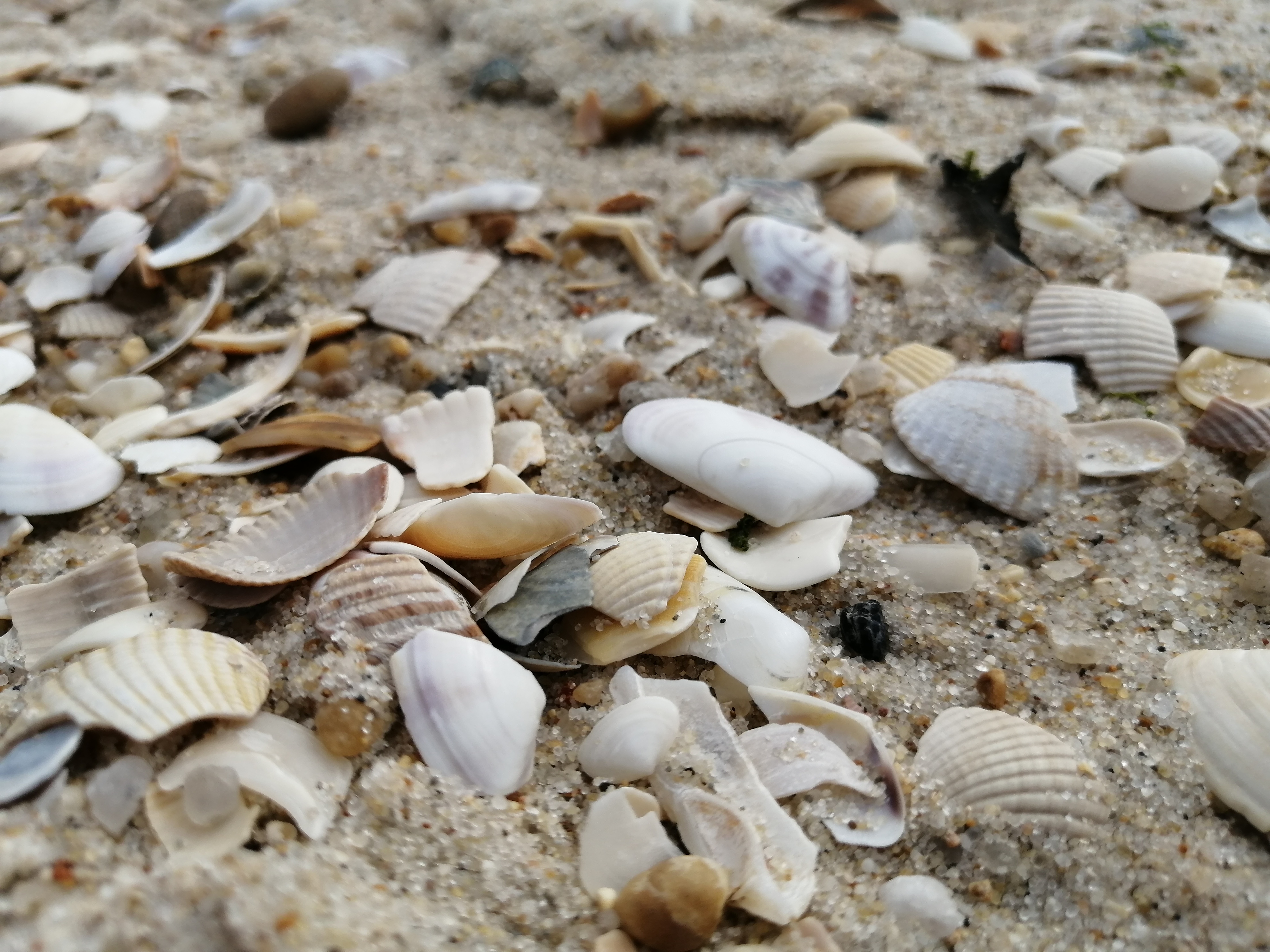
From bulk to micro
This photograph was taken with a mobile phone in the beach. It captures a blend cracked shells and sand.60 | Cláudia Lopes
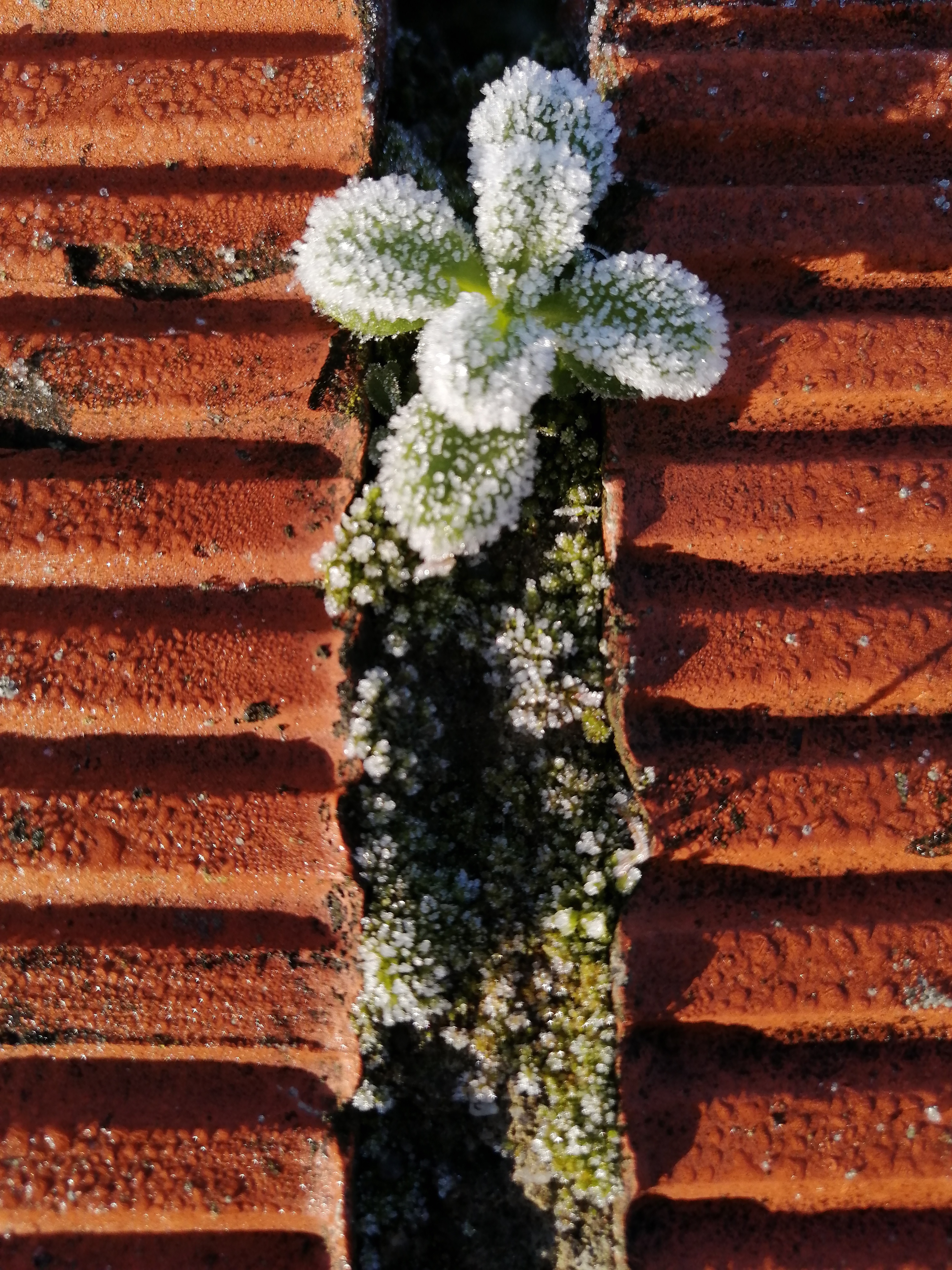
Life between bricks
This photograph was taken with a mobile phone while walking during confinement. It captures an ice-covered plant shoot between the bricks of a wall. A resilience and beauty example of Nature in the face of adversity, in this case the cold.61 | Helena Nogueira
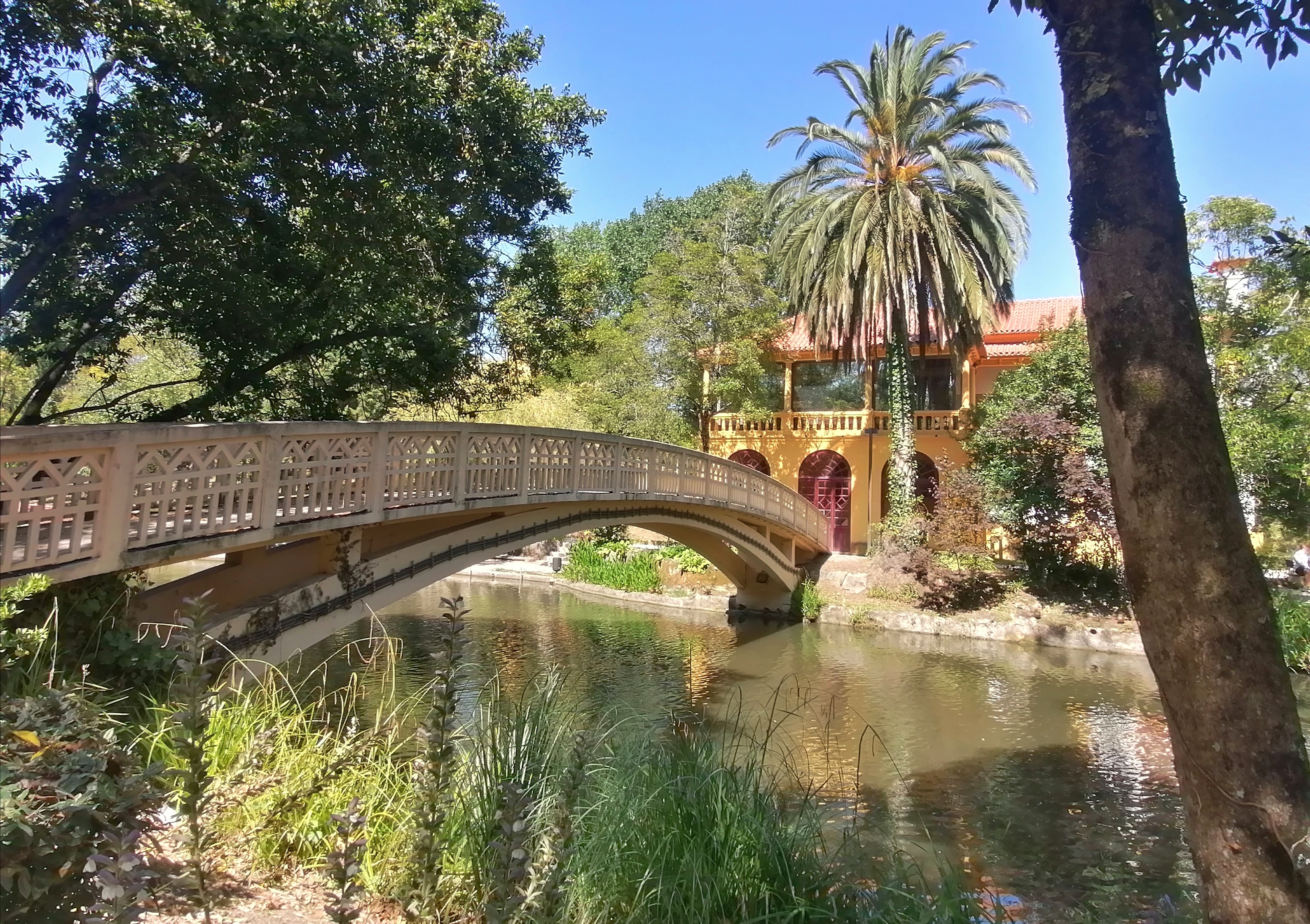
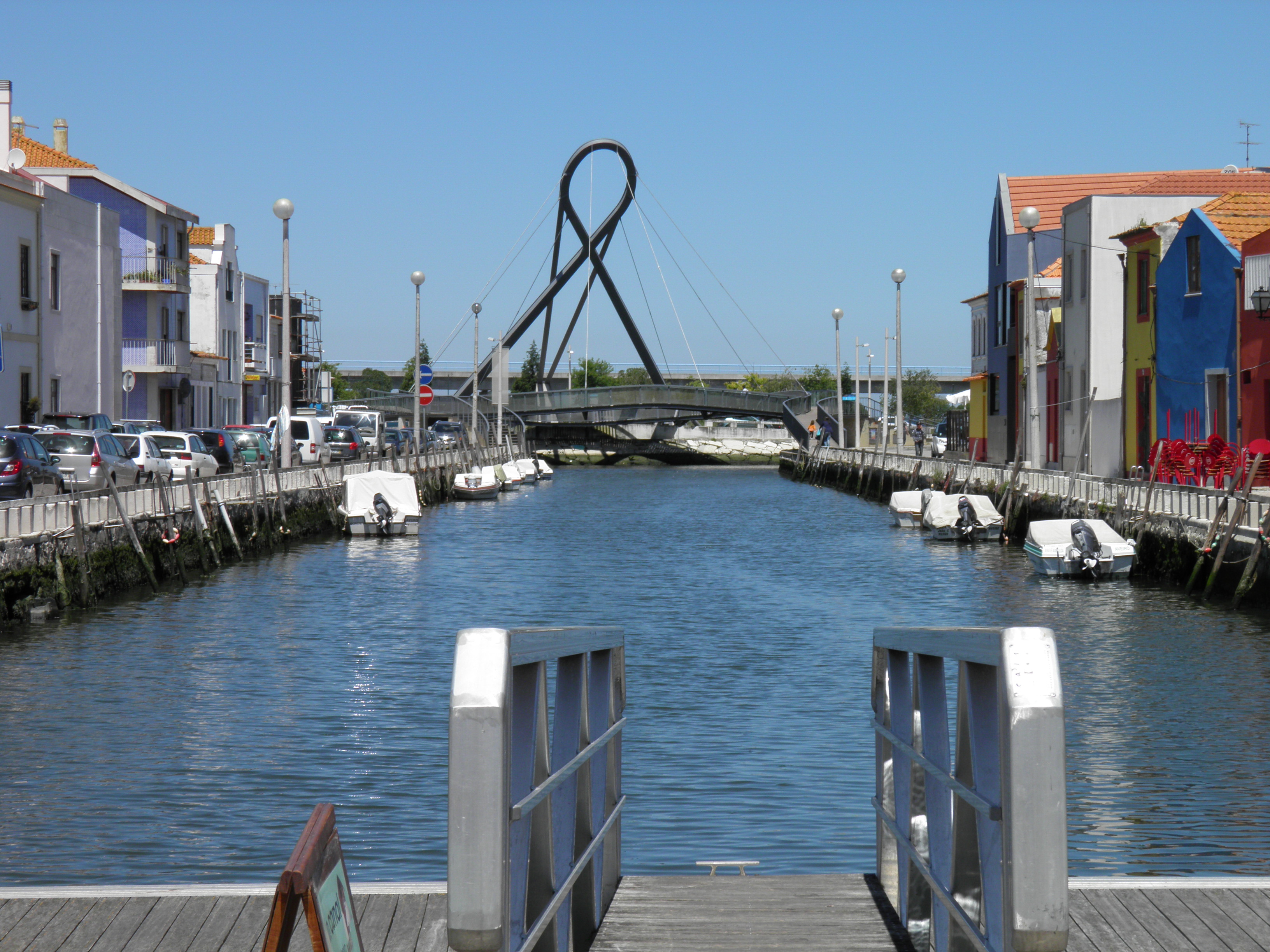
Loop bridge - new materials and new architectures
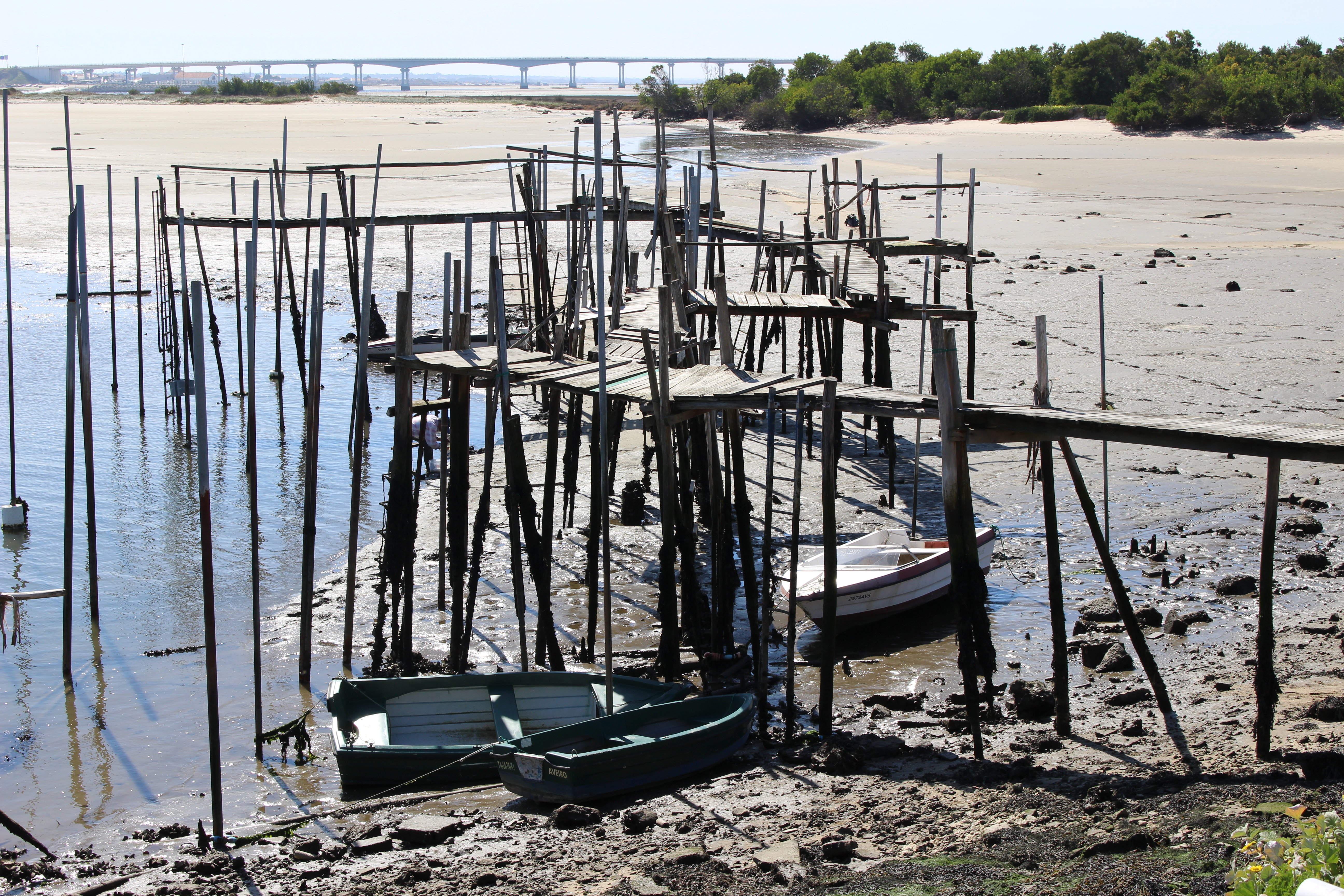
Pier and loop bridge in Cais dos Botirões, Aveiro.62 | Márcia Silva
Material symbiosis
The harmonious combination of natural and synthetic materials.63 | Eduardo Oliveira
Olimpo
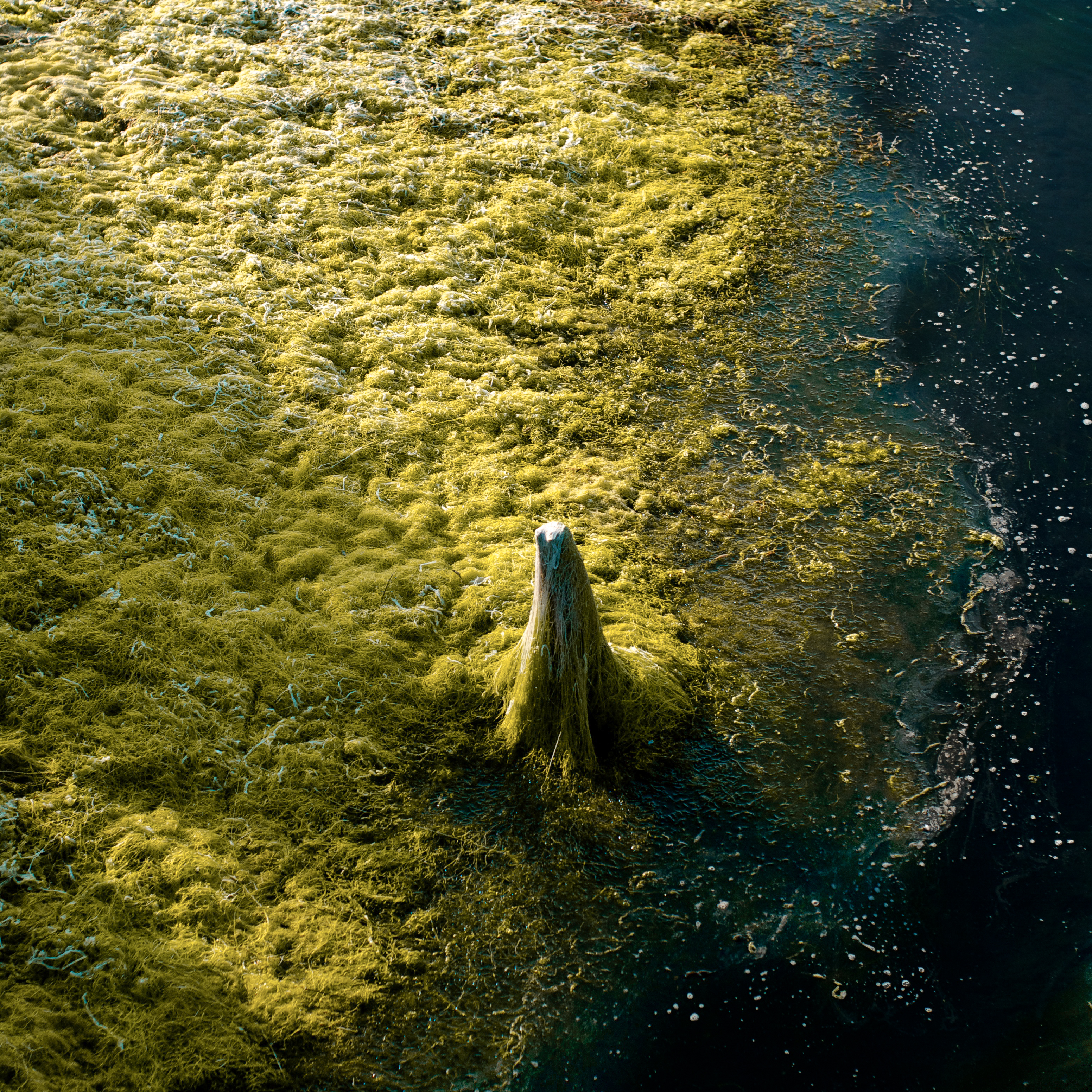
Algae formation covering wooden post (shot in Ria de Aveiro)64 | Sofia Zanella
Pandemic Silence
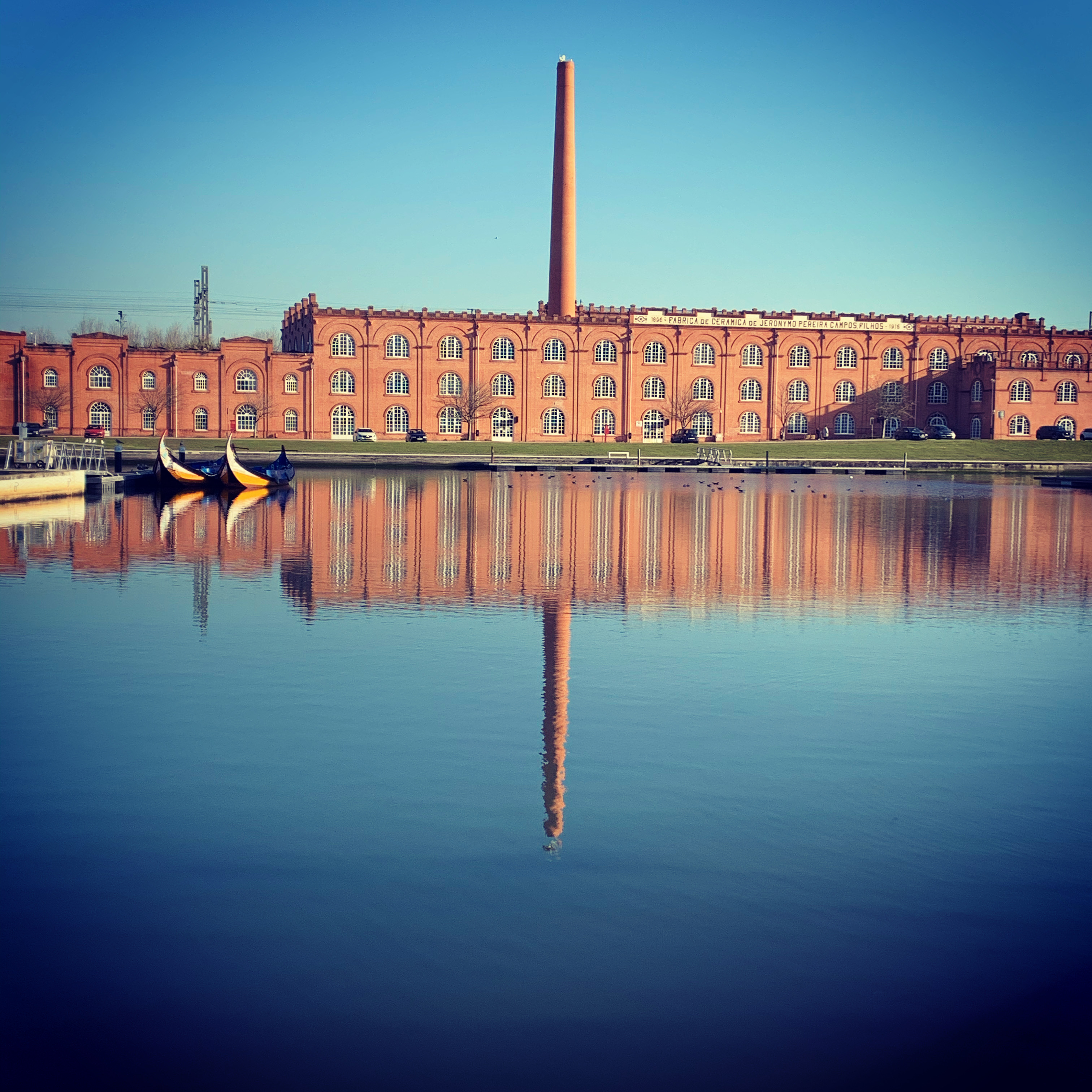
Antiga Fábrica Jerónimo Pereira Campos, positioned in the heart of Aveiro. This picture was taken on 16/01/2021 few days right after the second lockdown I was walking close to home when I stopped on the bridge in front of the Fábrica …no people around, no cars, only the untouched reflection on the water. I always think that the silence that I feel in this picture is the same “switch-OFF” that this pandemic situation brought in our life.65 | Marguerita Rosa
Pocket full of sunset
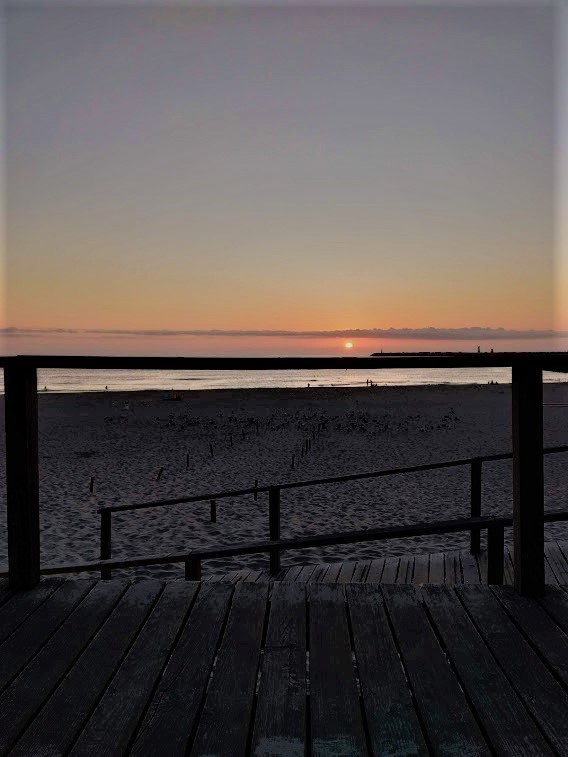
Barra is not only the closest beach to the university but also the one we love the most. Barra will forever be the best destination after a long day is the lab or an intense exam day. The tale says that every Barra sunset that you collect you should keep it as close as possible, so close you can almost touch it: in a pocket full of sunset.66 | Inês Cardoso
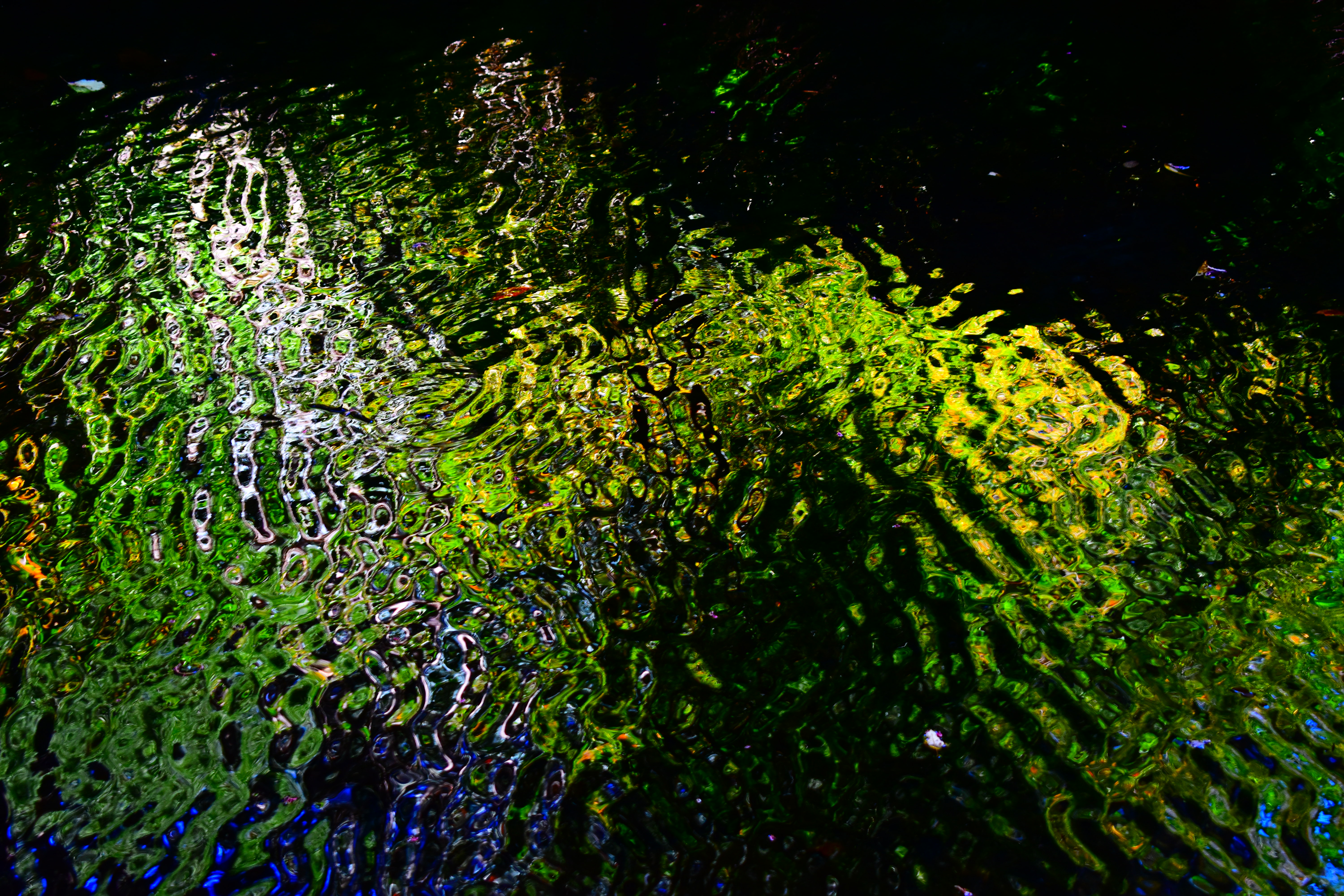
Reflecting the Past, Reflecting the Present
Advanced materials science has shaped the development of civilizations since the dawn of mankind. Stronger materials for tools and weapons allowed society to spread, conquer and prosper. In fact, materials are so important to mankind that entire periods of time were defined by the predominant material used. However, considering the health of the world we live in, we have reached a point that we need desperately to reflect on materials through time, to understand the role they are supposed to assume in the future. In Aveiro, everything happens around the large amount of water next to the sea, called Ria. It acts as a large mirror that reflects the traditions of several generations living in an environment fully immersed in the ceramics production. There is a better place to rethink material science? The photography challenges the public to look at an old and emblematic ceramic factory reflection in the present, and imagine the material science role in the future. 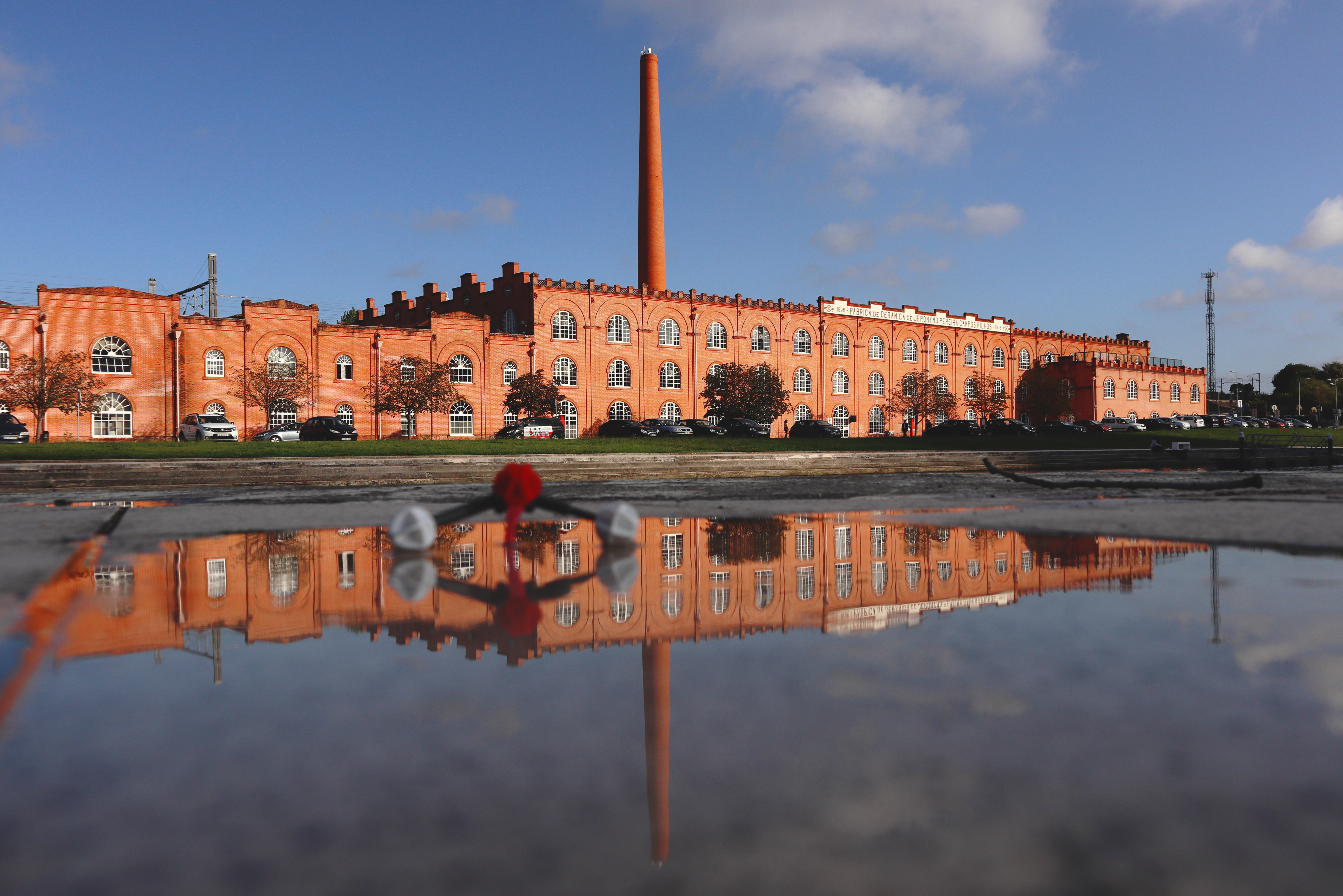
67 | Bojan Kopilovic
Sal
Curiosity is the salt of life.68 | Helena Nogueira
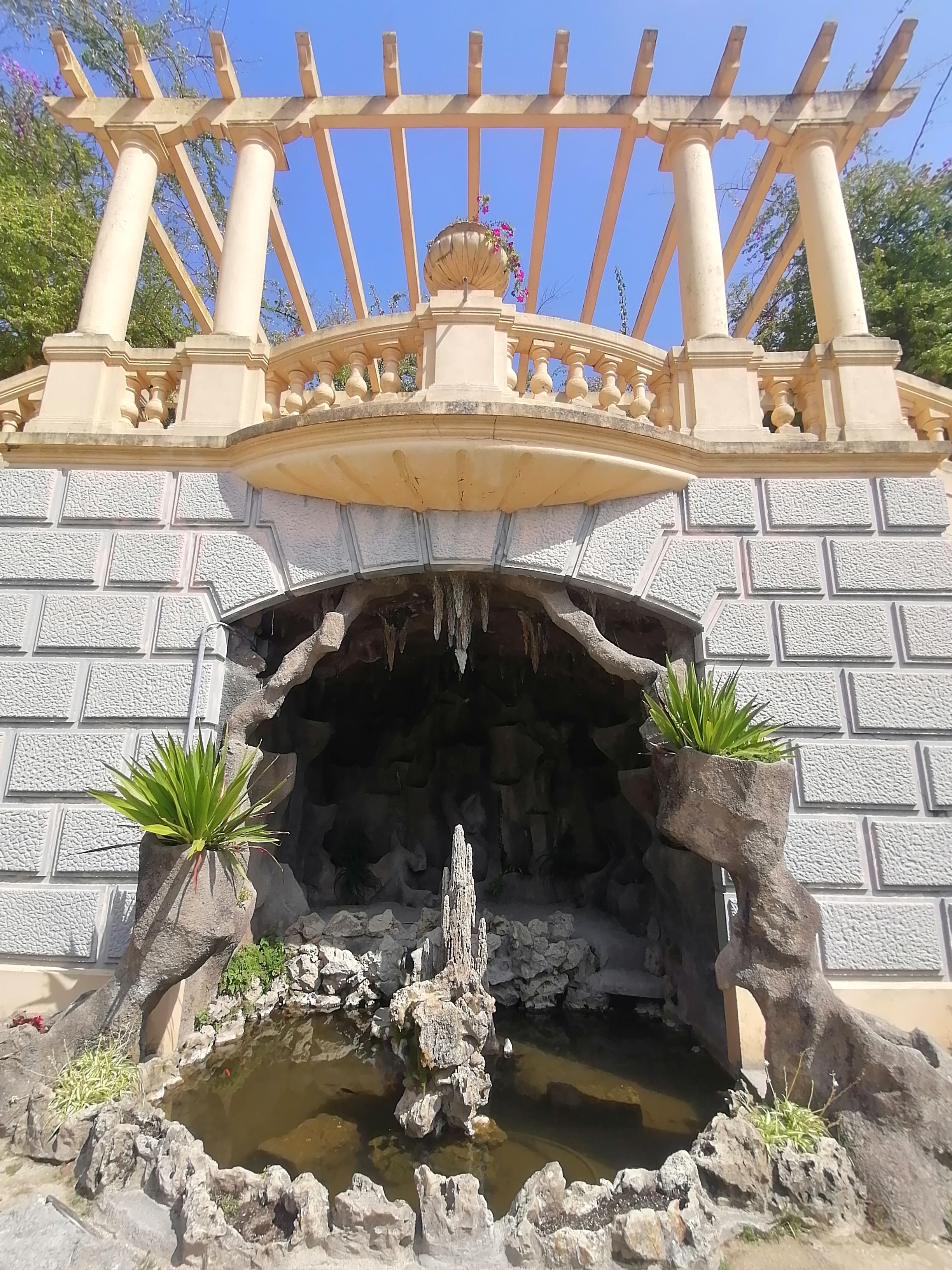
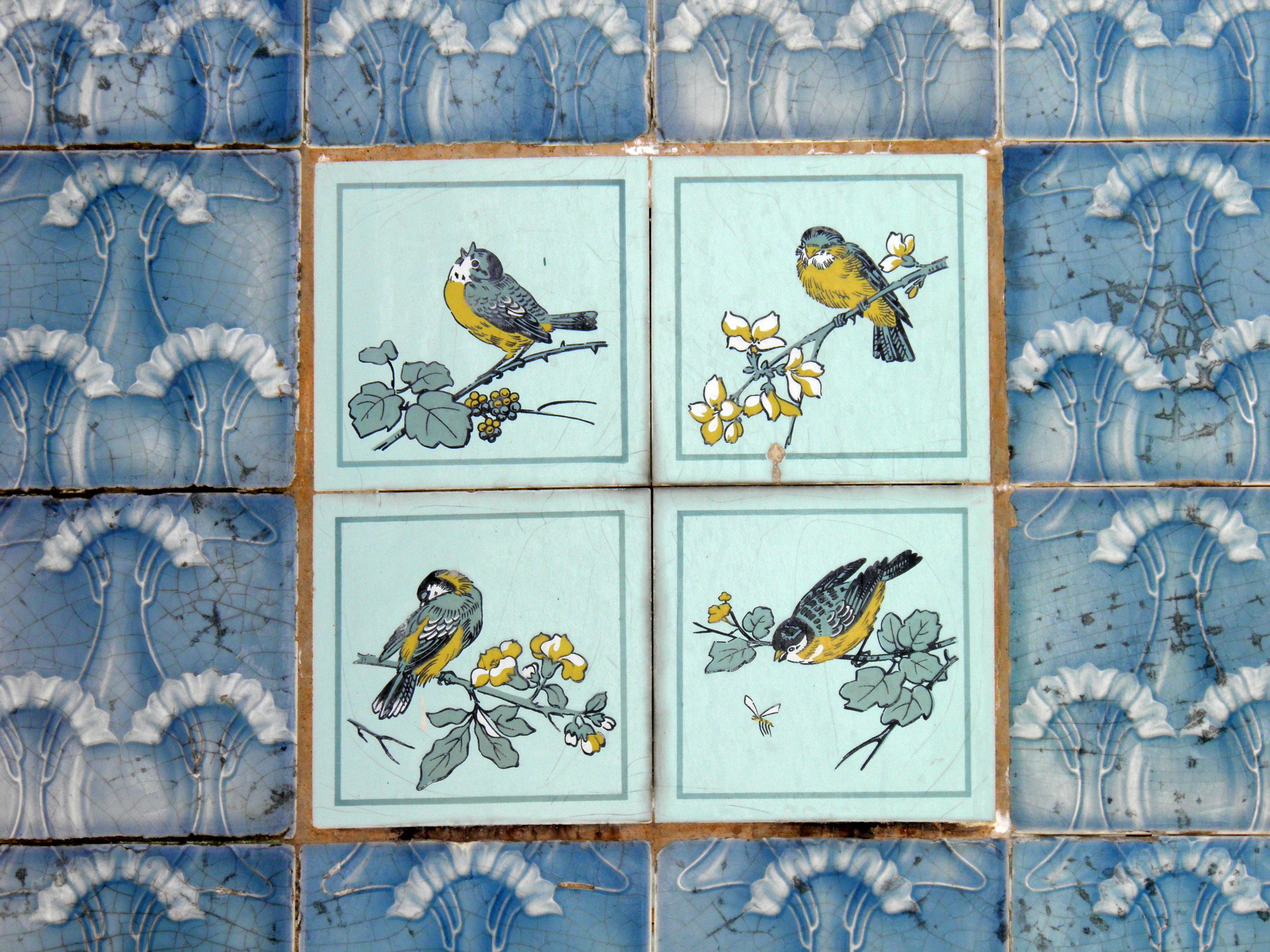
Spring - Art Noveau ceramic tiles
Ceramic tiles panel from the backyard in Eagle House, Aveiro.69 | Sónia Ventura
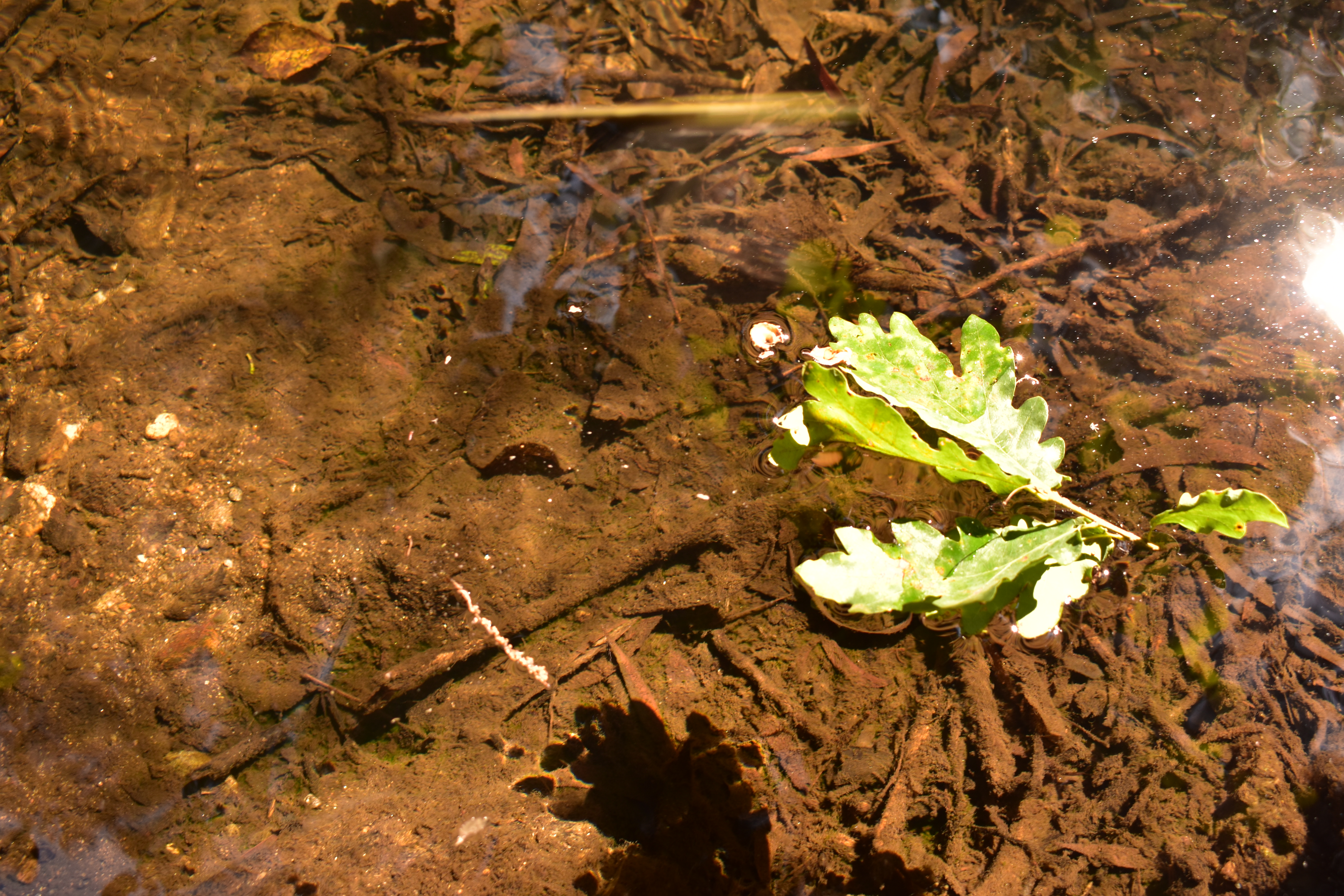
Superficial tenstion.
Superficial tension allows the leave to float.70 | Catarina Novo
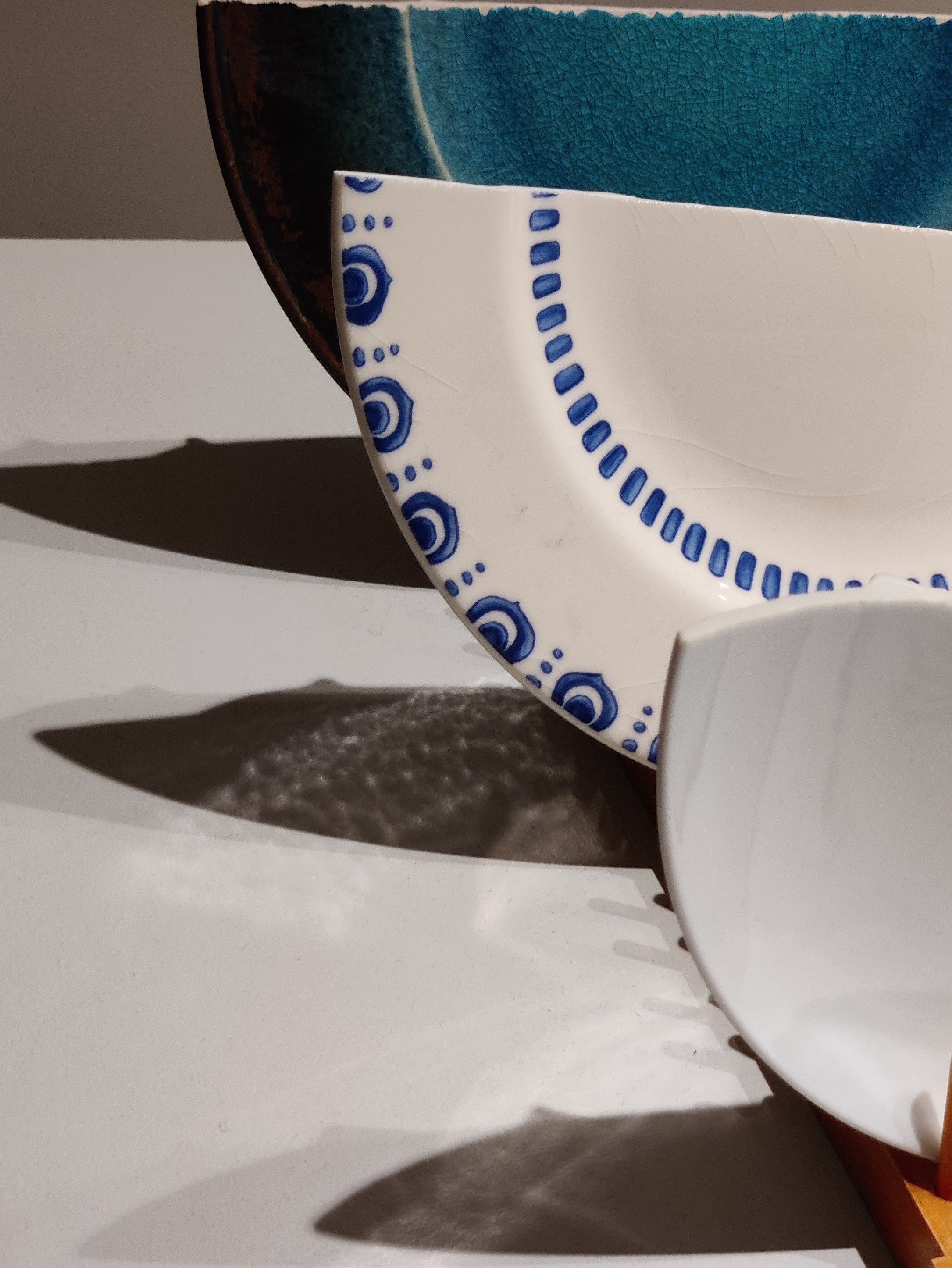
The Three Plates
The photo shows a cross-section of three different plates: the one in front is porcelain, the second one is earthenware and third one is stoneware. Porcelain is composed by 45% kaolin, 25% feldspar, 25% quartz and 5% clay. Earthenware is made of 40% kaolin, 30% silica, 15% clay and 15% calcite and stoneware is made of 27% kaolin, 30% feldspar, 25% silica, 15% clay and 3% talk. The different compositions are primordial to shape its characteristics and influence its hardness and visual characteristics such as whiteness. These plates are currently in exhibition in the Vista Alegre Museum.71 | Cláudia Lopes
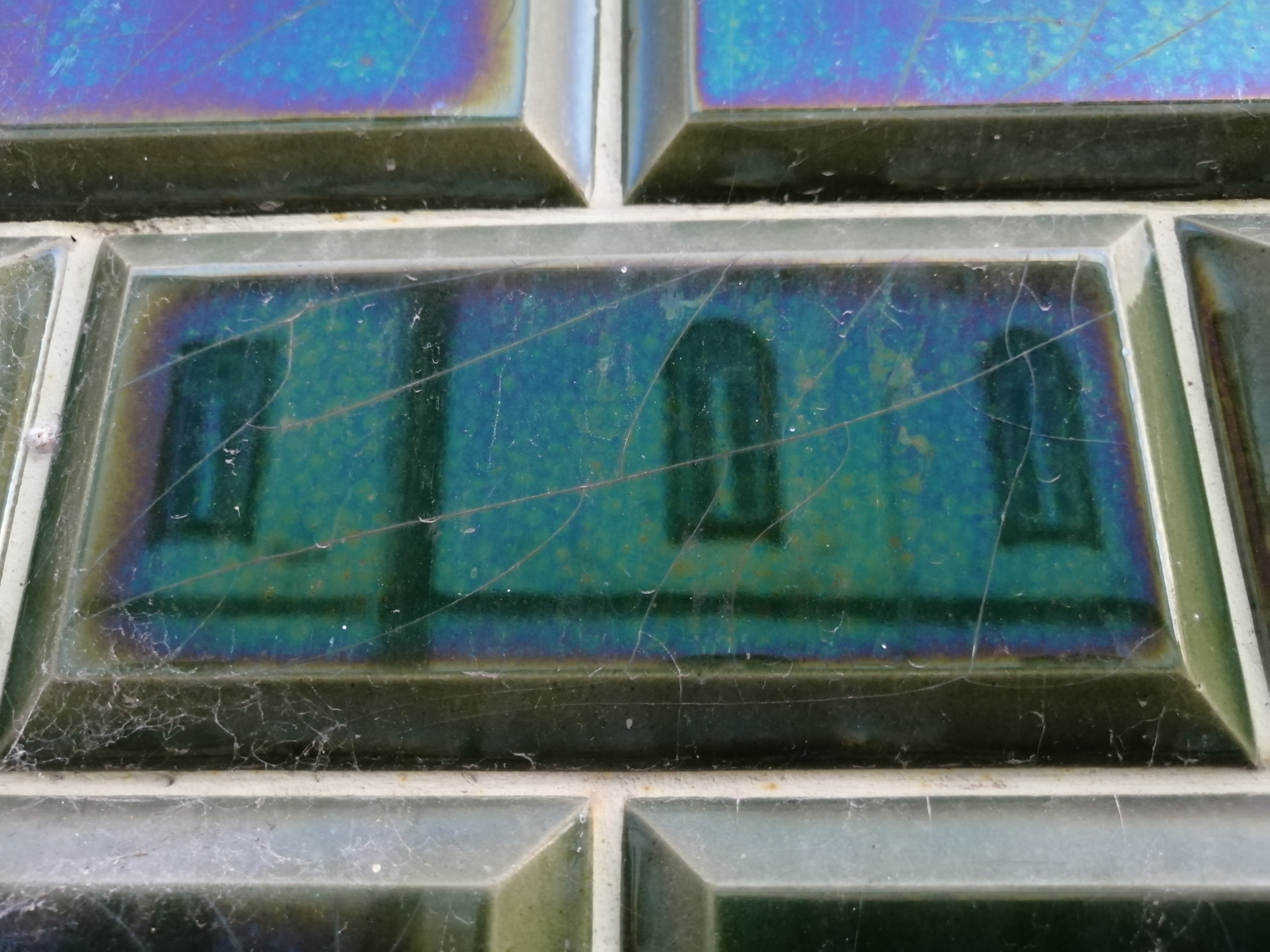
The tile, a windown of the city
This photograph was taken with a mobile phone while walking in Aveiro, a city with a long tradition of using tiles to cover house facade. The tiles are one of the symbols of the city, and this photograph reflects that by capturing the reflex of windows in a green tile. 72 | Sónia Pedro
Treasure in a bottle
In this picture is possible to admire one of nature’s treasures. Beaches, such as Barra, offer us the most wonderful colored and shaped small stones. We have learned how to take advantage of this creation and to turn it into complex objects or in this case, simple ones such as bottles. Bottles, like this one, often save messages and secrets or in this case can keep an historical symbol of the Aveiro coast. The Barra lighthouse is not only one of the tallest in Europe, but also a guide to where the Aveiro lagoon finally finds the sea. Here we can note how such a majestic structure can be preserved in a small piece of glass. 73 | Iola Duarte
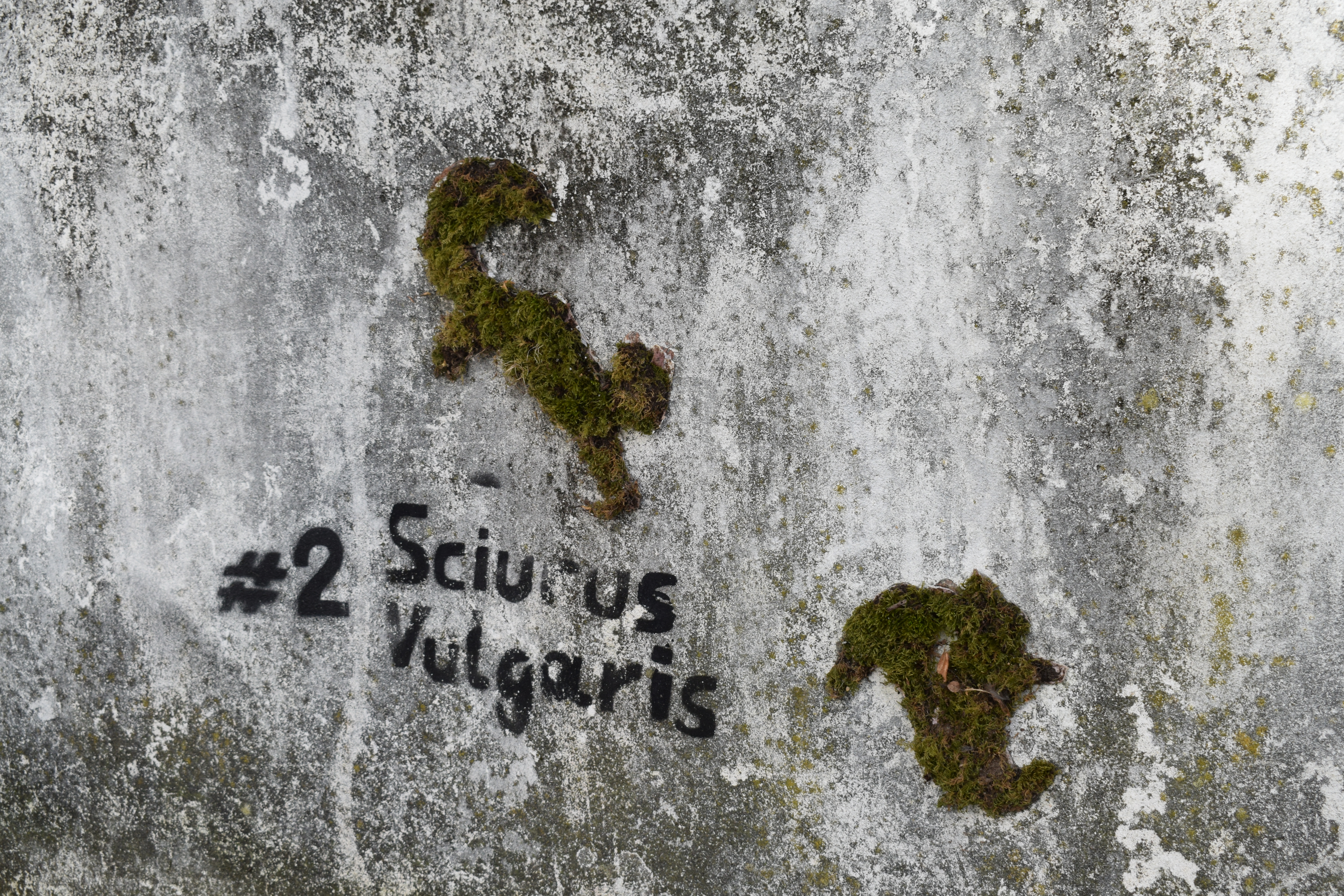
Uma parede com vida | A wall with life
A sombra e a humidade degradam a parede e fazem crescer o musgo. As formas surgem, apelando à imaginação. Em Aveiro, junto ao Conservatório de Música Calouste Gulbenkian.Shade and dampness degrade the wall and make the moss grow. Shapes emerge, appealing to the imagination. In Aveiro, next to ‘Conservatório de Música Calouste Gulbenkian’.74 | Paulo Laranjeira
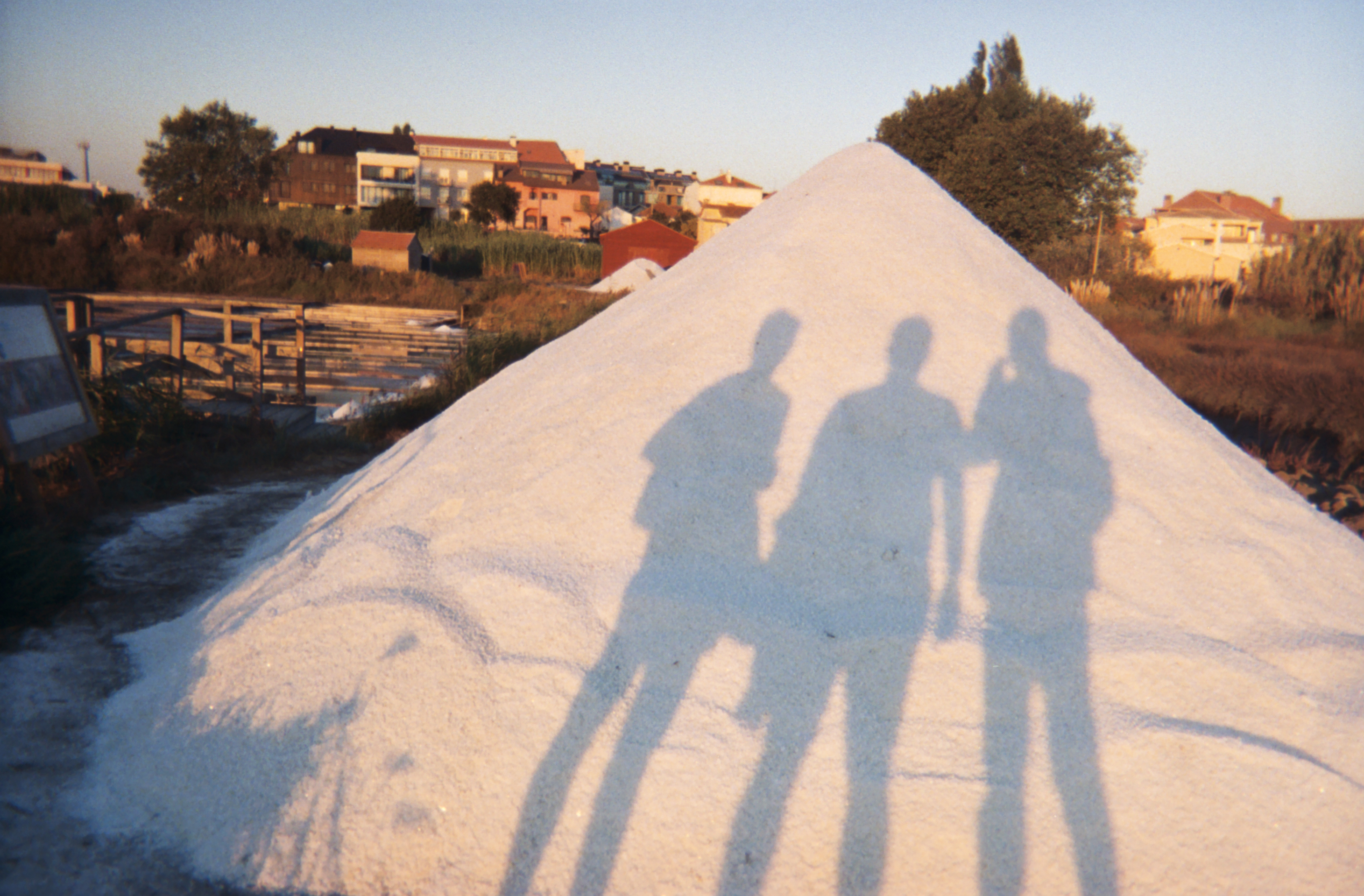
White Gold
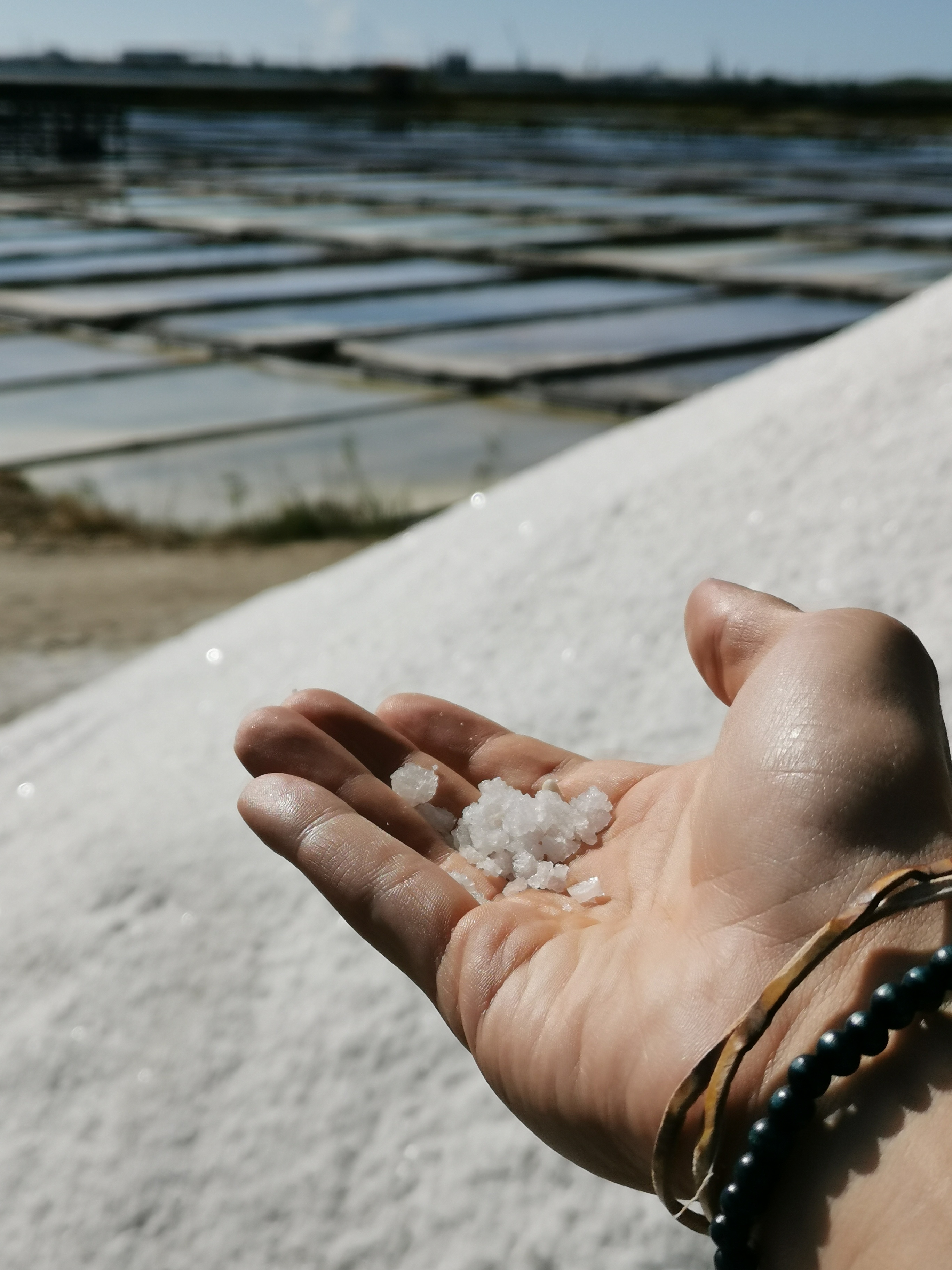
Salt production has played a major role in the economy of Aveiro for approximately one thousand years. Its extraction is entirely artisanal, resulting from the evaporation of seawater by the sun and the wind. Marnoto is the person responsible for collecting the salt by hand from the saltpans. Compared to other regions in the country, salt from Aveiro is richer in the compound β-ionone, which gives it its pleasant violet aroma. A staple in most kitchens and dishes around the world, it is also used in laboratories for scientific research. CICECO, the largest Portuguese institute in the field of materials science, is located near the saltpans of “Marinha Santiago da Fonte”, which were acquired by the University of Aveiro in 1993. The proximity of CICECO to these saltpans makes them an ideal visiting place for students.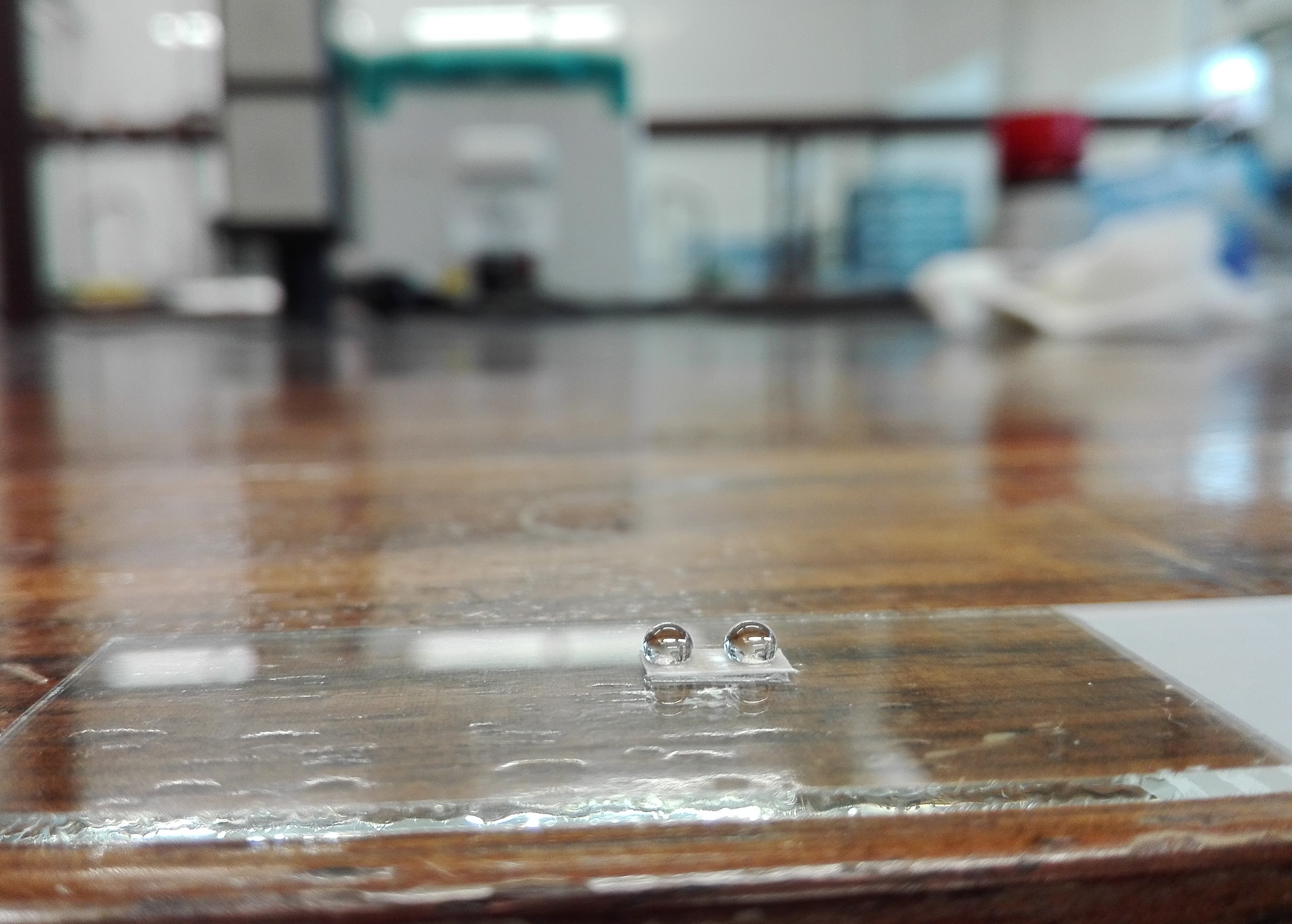

_Mehrzad%20Zargarzadeh.png)
_In%C3%AAs%20Deus.jpg)