The JORNADAS CICECO 2026 mark a special moment of gathering, reflection and celebration for a community that, over the years, has helped establish CICECO as a benchmark of scientific excellence and human endeavour. Under the theme “Celebrating CICECO Alumni Excellence, Diversity and Impact”, this edition highlights the paths and achievements of its alumni, recognising their excellence, the diversity of their careers, and the impact they have made across society, academia and industry.
Taking place on the 15th of October 2026 at the Casa da Cultura de Ílhavo, the event will bring together alumni, researchers, students and institutional partners, fostering the exchange of experiences, strengthening collaborative networks, and inspiring future generations. This year's edition is particularly significant as it celebrates 25 years of CICECO, honouring a quarter-century of innovation, knowledge creation and community building.
More than a reflection on the past, the JORNADAS CICECO 2026 aim to look ahead, showcasing the transformative role of knowledge and of the people who shape the centre's identity.
In an atmosphere of dialogue, networking and celebration, the event offers a unique opportunity to recognize achievements, spark new ideas, and reinforce the connections that unite this dynamic and global community.
We look forward to seeing you there!
Ana Luísa Silva, Carlos Marques, Georgina Miranda and Rita Teles
The Jornadas CICECO 2026 Organizing Committee
Located in the heart of Ílhavo, this dynamic cultural venue is distinguished by its contemporary architecture and versatile facilities. Renowned for hosting a diverse range of cultural, artistic, educational and scientific events, it offers an engaging setting for knowledge exchange, creativity and community interaction.
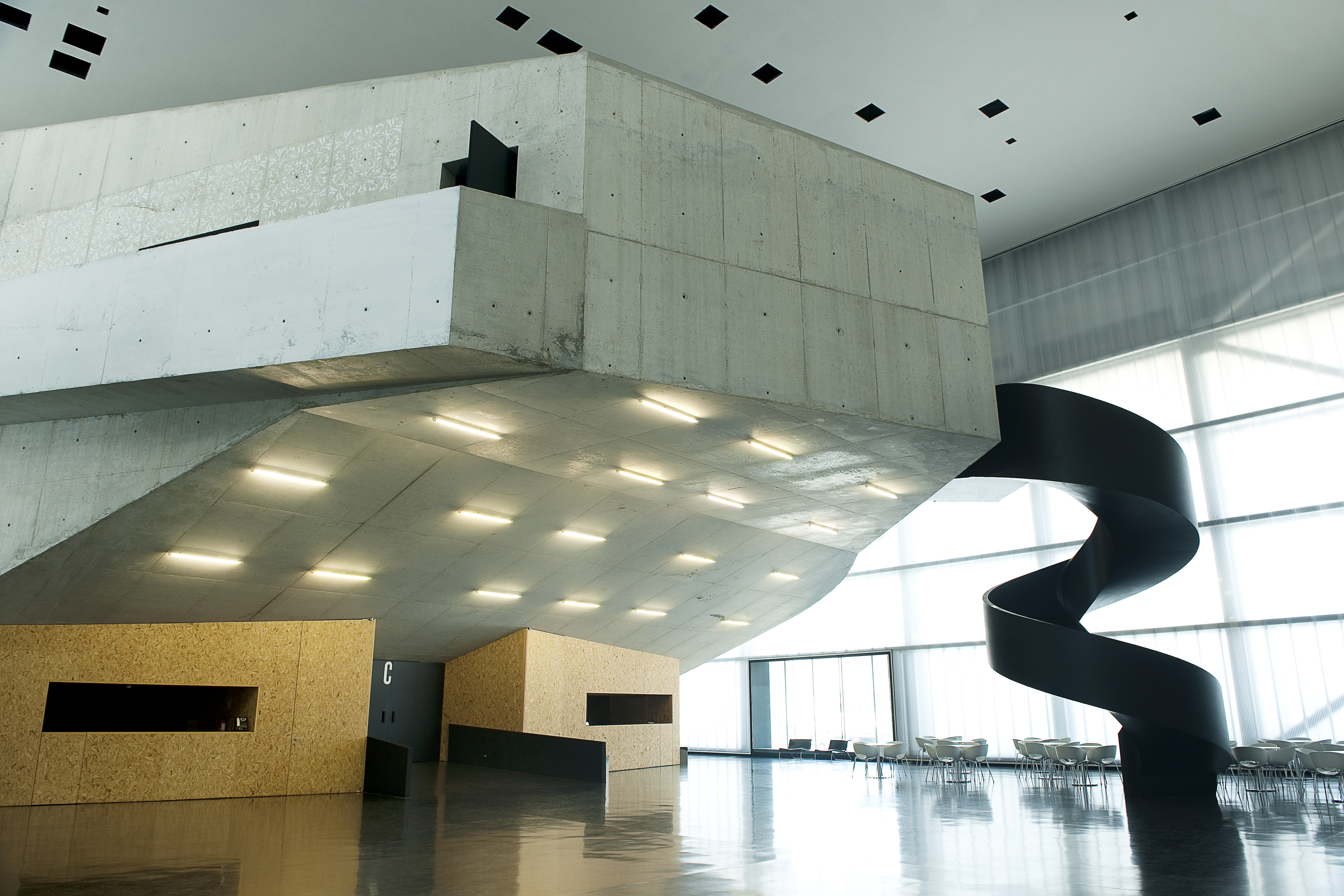
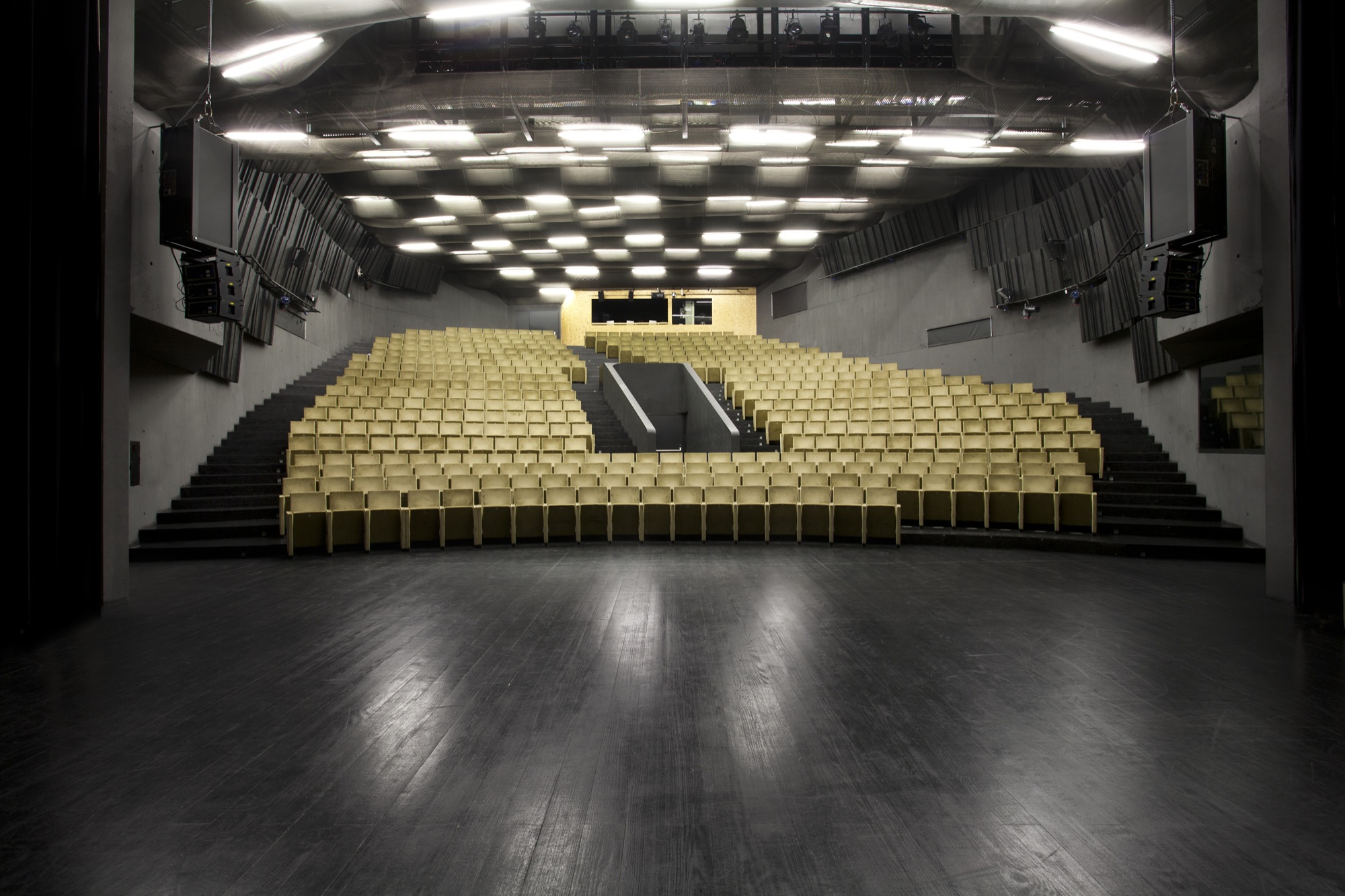
Jornadas CICECO 2026 will take place on the 15th of October at the Casa da Cultura de Ílhavo.
The event is open to the scientific community, industrial, technological and educational partners, free of charge.
However, registration is mandatory for access to all in-person sessions and activities.
Join us for an inspiring day dedicated to celebrating the 25 years of CICECO and honoring CICECO Alumni.
Registration deadline: 4th September.
Eligibility: Open to the entire community, our partners, and all curious minds passionate about science and creativity.
Share your research and be part of the vibrant scientific dialogue at Jornadas CICECO 2026! The poster session is a unique opportunity to showcase your work, exchange ideas, and receive valuable feedback from peers and senior researchers across diverse fields — from materials science to nanotechnology, biomedicine, and sustainability. Whether you’re presenting breakthrough results or exciting preliminary data, we welcome your contribution to this dynamic session. Submission deadline: 11th September Eligibility: All CICECO members.
Selected PhD students will rise to the challenge of delivering a captivating research pitch using just one slide and five minutes. Their mission is to distill the core of their research into a message that resonates with a broad, non-specialist audience. This initiative celebrates clarity, creativity, and scientific communication, offering a unique platform to showcase the diverse and impactful research being carried out across CICECO. Participation is by invitation only. PhD students will be selected by CAD (CICECO’s PhD Students Council) during the Research Summit. Submission deadline: 11th September Eligibility: Invited PhD students only.
Celebrate the beauty of scientific discovery through visual storytelling! The Art in Science Photo Contest invites you to submit striking images created through any imaging technique — including simulations and artistic composites. Let your creativity shine and help us bridge science and art. Submission deadline: 21st September. Eligibility: All CICECO members.
| MORNING | |
| 09:00 | Bus departure from the University of Aveiro |
| 09:30 | Registration & Welcome Coffee |
| 09:45 |
Welcome to Jornadas CICECO 2026 – Opening Session Professor João Coutinho (Director, CICECO) |
| 10:15 |
Session Chair: Professor João Rocha Beyond the Lab: Unleashing the Scientific Drive Nuno Hélder Silva, Lead Analytical Scientist in R&D, Hovione, Portugal |
| 10:45 |
The Common Denominator: Reflections from a Cross-Cultural Bio-Based Materials Science & Innovation Journey Gisela Cunha, Former Ideation Manager, Stora Enso’s Innovation Centre for Biomaterials, Stockholm, Sweden |
| 11:15 | Coffee Break | Poster Session I |
| 11:45 |
Session Chair: Professor Ana Barros-Timmons Materials Immobilization - How academic research tuned my career Frederico Maia, General Manager, Smallmatek, Portugal |
| 12:15 | PhD Student Pitches – Session I |
| 13:00 | Lunch |
| AFTERNOON | |
| 14:30 |
Session Chair: Dr. Filipe Oliveira A Career Shaped by Glass: From Aveiro to the World Ashutosh Goel, Professor of Materials Science and Engineering, Rutgers University, USA |
| 15:00 |
From Functional Materials to High-Tech Industry: Bridging Research and Innovation Abel Fenta, R&D Physicist, Sontex SA, Switzerland |
| 15:30 | PhD Student Pitches – Session II |
| 16:15 | Coffee Break | Poster Session II |
| 17:00 |
Session Chair: Dr. Filipe Figueiredo From the lab bench to the screens Rute Pereira dos Santos, Science Communicator, Founder of Amazing Chemist, Content Editor at EJR-Quartz for ESA, Portugal |
| 17:30 | CICECO Awards and Jornadas CICECO 2027 |
| 18:00 |
Closing Session Professor Artur Silva (Rector, University of Aveiro) |
| 18:15 | Cultural Event – Magic in Science |
| 19:00 | Bus departure to the University of Aveiro |
| NIGHT | |
| 20:00 |
Dinner OLARIA, Aveiro |
 Abel Fenta is a physicist and materials scientist with experience in both academia and industry, currently working as R&D Physicist at Sontex SA, Switzerland. He completed his PhD in Physics & Engineering Physics through a collaboration between CERN, University of Aveiro/CICECO and KU Leuven, focusing on graphene and low-dimensional functional materials. Throughout his career, he has been involved in the development of highly innovative micro- and nanotechnologies in areas such as energy storage and power generation, sensing and detection, and ultra-precise systems for gas, water and thermal energy metrology. He has also collaborated with several international companies and institutions, including Samsung, DGI, TAG Heuer and Ansaldo Energia/General Electric. His current work focuses on the development of high-tech metrological solutions for ultrasonic heat metering systems.
 Ashutosh Goel is Professor of Materials Science and Engineering at Rutgers University, USA. His research focuses on glass science and engineering, including oxide glasses, nuclear waste immobilization, and glasses and ceramics for healthcare applications. He received his PhD in Materials Science and Engineering from the University of Aveiro in 2009 and joined Rutgers as a faculty member in 2014, following positions at Pacific Northwest National Laboratory and Sterlite Technologies Ltd. His work has been recognised with several distinctions, including the 2017 Vittorio Gottardi Prize, the 2021 W.H. Zachariasen Award, and the 2023 Tadashi Kokubo Award.
 Dr. Frederico Maia is a materials chemist and a specialist in the synthesis of multifunctional nanostructured materials for "smart" industrial applications. As General Manager of Smallmatek, he leads the development of innovative additives and encapsulation technologies designed to revolutionize the coatings and materials industries. With a PhD in Materials Science and Engineering from the University of Aveiro, Dr. Maia’s expertise centers on the design of smart nanocontainers that provide active, self-healing corrosion protection and environmental sensing. His research is at the forefront of "safe-by-design" nanotechnology, focusing on the controlled release of active compounds for aerospace, maritime, and civil infrastructure. A prolific researcher and inventor, Dr. Maia holds multiple patents and has co-authored over 50 peer-reviewed publications. He is recognized for bridging the gap between advanced academic research and commercial product development, driving the next generation of sustainable, high-performance materials
 Gisela Cunha is an innovation leader with over 15 years of experience spanning international academia and the renewable materials industry. After completing her PhD at CICECO in 2011, specializing in the chemical modification of cellulose, she held Post-Doctoral positions at KTH Royal Institute of Technology, Sweden; INRA, France; and Aalto University, Finland. Driven by a passion for translating scientific discovery into real-world impact, Gisela transitioned to the industrial sector in 2016, joining Stora Enso’s Innovation Centre for Biomaterials in Stockholm, Sweden. From Research Chemist to Manager Ideation, she has spent the last decade at the forefront of biomaterials innovation, bridging the gap between scientific discovery and market-ready sustainable solutions, while leading teams to envision the sustainable businesses of tomorrow. She is a strong advocate for inclusive leadership, international collaboration and the power of scientific curiosity.
 Nuno Hélder Silva, graduated in Biotechnology, holds a PhD in Bioengineering from the University of Aveiro and has built a multidisciplinary career spanning over 10 years across the biomedical, cosmetic, pharmaceutical, and sustainable technology application fields, with nearly a decade of academic and research activity at CICECO – Aveiro Institute of Materials.
Since 2021, he has been working at Hovione as Lead Analytical Scientist in R&D, leading innovation, pharmaceutical development, digitalization and operational excellence programs. He also completed, in 2025, the Executive MBA at AESE/IESE Business School, strengthening his expertise in business, governance, organizational transformation and strategy.
Beyond science, Nuno is passionate about leadership, communication, public speaking, management and people development, being a trainer and coach with experience in several international organizations such as BEST – Board of European Students of Technology, MULY, Toastmasters International, Virtuous Leadership Institute and IMFAHE. A sportsman by nature, he is passionate about running, marathons, triathlons, and IRONMAN challenges. Nuno believes that traveling is among the greatest sources of self-development and personal growth.
Nuno Hélder Silva, graduated in Biotechnology, holds a PhD in Bioengineering from the University of Aveiro and has built a multidisciplinary career spanning over 10 years across the biomedical, cosmetic, pharmaceutical, and sustainable technology application fields, with nearly a decade of academic and research activity at CICECO – Aveiro Institute of Materials.
Since 2021, he has been working at Hovione as Lead Analytical Scientist in R&D, leading innovation, pharmaceutical development, digitalization and operational excellence programs. He also completed, in 2025, the Executive MBA at AESE/IESE Business School, strengthening his expertise in business, governance, organizational transformation and strategy.
Beyond science, Nuno is passionate about leadership, communication, public speaking, management and people development, being a trainer and coach with experience in several international organizations such as BEST – Board of European Students of Technology, MULY, Toastmasters International, Virtuous Leadership Institute and IMFAHE. A sportsman by nature, he is passionate about running, marathons, triathlons, and IRONMAN challenges. Nuno believes that traveling is among the greatest sources of self-development and personal growth.
 Rute Pereira dos Santos is a Portuguese science communicator with a strong background in science and over 8 years of experience in research. She graduated from her PhD in Nanosciences and Nanotechnology in May 2024, after joining EJR-Quartz in February 2023 as a Social Media Editor for the European Space Agency. Currently, as a Content Editor, Rute is responsible for making scientific publications understandable to the general public by transforming them into articles, social media publications or educational videos. Rute is the founder and owner of Amazing Chemist, a Portuguese science communication brand.
Registration deadline
PhD Pitch submission deadline
Poster abstract submission deadline
Art in Science Competition submission deadline